Uncategorized
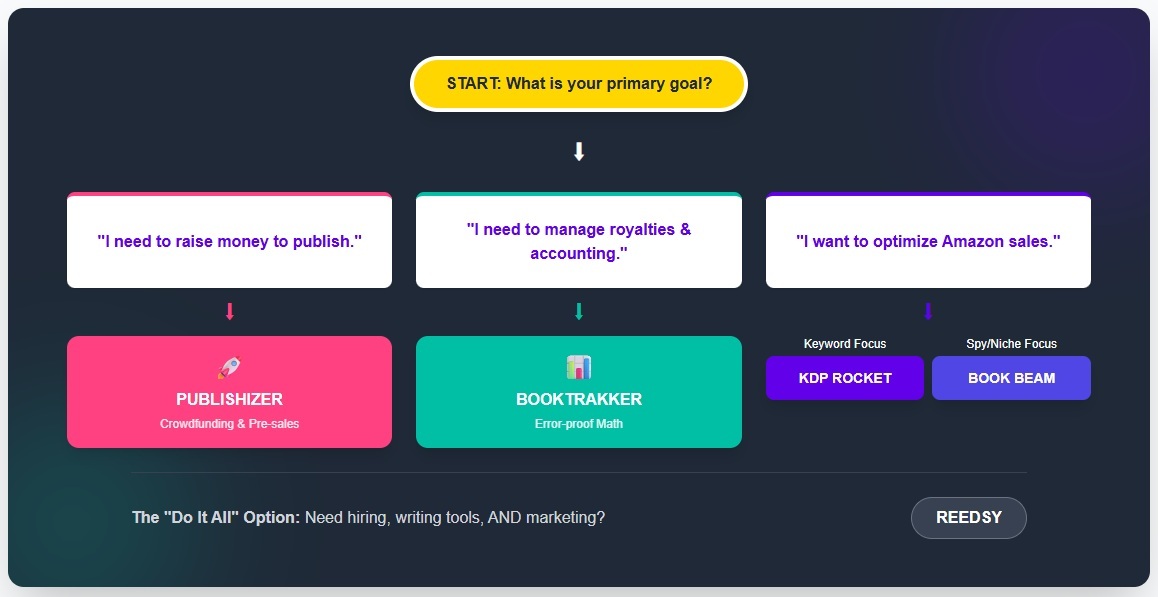
Best Royalty Management Software for Self-Publishers

You’re not just an author—you’re the CEO of your publishing journey. You’ve poured your heart into writing, hit “publish,” and your book is finally out in the world. But now comes the not-so-glamorous part: tracking royalties. As a self-published author, you’re not just a storyteller—you’re also the accountant, sales tracker, and business manager of your own publishing empire.
Without a plan, those royalty payments can quickly become a confusing mess of spreadsheets and guesswork. Fortunately, you don’t have to do it alone. Royalty management software is the behind-the-scenes hero, designed to automate and simplify your sales tracking so you can focus on what you do best—writing your next bestseller.
⏳ Royalty Calculations Time Math:
8 hrs/month on royalties =
→ 48,000 words/year you didn’t write
→ 24 podcast interviews you didn’t do
→ 1.5 books you didn’t publish
Automate to create more.
In this article, we’ll explore the best royalty management software explicitly tailored for self-publishers, breaking down their features, benefits, and what makes each stand out in the market.
The Significance of Royalty Management Software for Self-Publishers
Navigating the intricacies of royalty tracking can feel like traversing a labyrinth in self-publishing. With numerous platforms and sales channels, the potential for confusion is immense. That’s precisely why leveraging royalty management software is not just a convenience—it’s necessary for authors seeking to optimize their earnings and maintain transparency in their financial dealings.
When self-publishers forgo dedicated software, they often find themselves entangled in spreadsheets and manual calculations, leading to errors and oversight. Enter royalty management tools designed to streamline tracking sales and calculating royalties, allowing authors to focus more on their creative pursuits rather than administrative burdens. Here are some reasons why investing in such software is paramount:
- Automation of Calculations: Gone are the days of tedious manual math. Royalty management software automates the calculation process, minimizing the risk of errors.
- Multi-Platform Integration: Whether your book is sold on Amazon, Barnes & Noble, or your website, these tools can integrate with multiple platforms, providing a consolidated view of all sales data.
- Detailed Reporting: Robust reporting features enable authors to analyze sales trends, understand their earnings, and strategize future marketing efforts effectively.
- Time Efficiency: By automating the administrative side of royalties, self-publishers can reclaim valuable time that can be redirected towards writing, marketing, or engaging with their audience.
- Enhanced Financial Clarity: Comprehensive insights into sales and royalty distributions empower authors to make informed decisions about their publishing strategies and financial planning.
Key Features of Top Royalty Management Software for Self-Publishers
When selecting royalty management software, understanding the array of features available can make all the difference in streamlining your publishing process. Each software solution offers distinct functionalities that cater to the diverse needs of self-publishers. Here are some of the most sought-after features and benefits that enhance your royalty tracking experience.
| Software | Key Features | Benefits |
| BookTrakker | Best for: Authors who need simple, error-proof royalty tracking
✅ Automated royalty calculations – No more manual math mistakes. |
|
| KDP Rocket | Best for: Amazon-exclusive authors optimizing profits
✅ Amazon sales tracking – Monitors KDP royalties, KU page reads, and ad spend.
|
|
| Publishizer | Best for: Authors crowdfunding or pre-selling books
✅ Crowdfunding tools – Pre-sell books to fund production.
|
|
| Book Beam | Best for: Authors with varied publishing formats
✅ Niche finder– Identify high-demand low-competition niches. ⭐ STAFF FAV ALERT!
|
|
| Reedsy | Best for: Authors building a full-fledged publishing business
✅ All-in-one platform – Royalty tracking + email marketing + website builder. |
|
Understanding the Features
Book Tracker
- Automated Royalty Calculations: The cornerstone of any royalty management tool is its ability to automatically compute royalties based on sales data. This feature eliminates manual errors and ensures timely payments.
KDP Rocket
- Sales Reporting and Analytics: Robust reporting features provide valuable insights into sales trends, allowing authors to make data-driven decisions. Many software solutions offer detailed dashboards that visualize sales performance over time.
Publishizer
- Multi-Format Support: With the rise of digital publishing, it’s crucial for software to support various formats—be it eBooks, audiobooks, or print. This versatility allows for comprehensive tracking across different revenue streams.
Book Beam
- Integration Capabilities: Top-tier software often integrates seamlessly with multiple platforms, enabling authors to centralize their sales data for more efficient tracking and analysis.
Reedsy
- User-Friendly Interfaces: The software’s clean, intuitive interface ensures that even the most tech-averse authors can navigate it quickly, making the tracking process straightforward and less intimidating.
Publish Drive-⭐ Honorable Mention!
And while Book Beam is our staff favorite, we’d be remiss not to give an honorable mention to PublishDrive. It’s a fantastic all-in-one solution that truly simplifies the business side of self-publishing.
Think of it as your financial command center: it aggregates your royalties from a massive network of global stores (like Apple Books, Google Play, and hundreds of others) into one clear dashboard.
Where it really shines for growing author businesses is in features that save your sanity—automatically generating transparent reports for tax season, creating flawless audit trails, and offering robust tools to seamlessly split payments with co-authors or contributors. If you’re publishing wide and value crystal-clear financial oversight, PublishDrive is absolutely worth a look.
Choosing the Right Royalty Management Software: What to Consider
Selecting the ideal royalty management software is a pivotal decision for self-publishers. With many options available, it’s essential to evaluate various factors that can impact your publishing journey and financial success. Here are some critical considerations to guide you in making the right choice:
- Ease of Use: An easy-to-use interface is essential, particularly for individuals needing to be more tech-savvy. Seek out software that provides a clear, intuitive layout, allowing you to explore its features without hassle. Tutorials or customer support can also enhance your experience, helping you maximize the tool’s capabilities.
- Compatibility with Existing Platforms: Check if the software integrates smoothly with the platforms you already use for publishing and sales, such as Amazon KDP, IngramSpark, or your website. Seamless integration ensures your sales data flows effortlessly into the royalty management tool, minimizing manual entry and potential errors.
- Customization Options: Every author has unique needs, so consider software that allows customizable settings, especially in royalty calculations. If your publishing agreements involve different rates or structures, having the ability to tailor the software to fit these requirements is invaluable.
- Reporting Features: In-depth reporting capabilities are essential for analyzing sales performance. Look for software that offers various reporting formats—graphs, charts, and detailed breakdowns—so you can easily visualize your earnings and make informed decisions about marketing strategies.
- Pricing Structure: Consider your budget and evaluate whether the features provided justify the cost. Free trials can also be a helpful way to test the software before committing financially.
- Customer Reviews and Reputation: Look for feedback regarding customer support, ease of use, and how well the software delivers on its promises.
Tips for Successfully Implementing Royalty Management Software
Adopting royalty management software can be a game-changer for self-publishers, but proper implementation is crucial to harness its benefits fully. Here’s a step-by-step guide to help you smoothly integrate this technology into your publishing workflow:
Step 1: Identify Your Needs: Before diving into software selection, take a moment to assess your specific requirements. Consider the following questions:
- What platforms do you sell your books on?
- How complex are your royalty calculations?
- What types of reports do you need?
By understanding your needs, you can narrow your choices to software that aligns with your publishing goals.
Step 2: Research and Compare Options: With your needs, begin researching available software options. Create a shortlist of tools that seem promising. Pay attention to:
- User reviews and testimonials
- Key features and functionalities
- Pricing structures and any hidden fees
Step 3: Take Advantage of Free Trials: Use this opportunity to explore the interface, experiment with critical features, and determine if the software meets your expectations.
Step 4: Set Up and Customize: Once you’ve chosen your software, it’s time to set it up. Follow these steps:
- Input Sales Data: Enter your sales data from various platforms. This might require exporting data from different sources and importing it into your new software.
- Customize Settings: Tailor the software to your needs by adjusting royalty calculations, setting up reporting formats, and integrating with your existing publishing platforms.
Step 5: Train Yourself and Your Team: Familiarize yourself with the software’s functionalities. If you have a team, ensure everyone involved in the publishing process is adequately trained. Consider creating a manual or guide to reference when needed.
Step 6: Monitor and Evaluate: Monitor the software’s performance after implementation. Review reports and analytics regularly to ensure accuracy and identify areas for improvement. If you notice discrepancies or challenges, contact customer support for assistance.
Step 7: Iterate and Optimize: As you grow as a self-publisher, your needs may evolve. Periodically reassess your software’s effectiveness and consider updates or additional features that could enhance your workflow. Continuous improvement will help you stay on top of your royalties and maximize your earning potential.
Frequently Asked Questions About Royalty Management Software
What is royalty management software?
Royalty management software is a specialized tool designed to assist authors and publishers in tracking their sales, calculating royalties, and managing financial data related to their published works. These tools automate the tedious aspects of royalty tracking, enabling self-publishers to focus more on their writing and marketing efforts.
Why should self-publishers invest in royalty management software?
For self-publishers, managing royalties manually can be both time-consuming and error-prone. By investing in royalty management software, authors can ensure accurate calculations, gain valuable insights into sales performance, and streamline their financial processes.
How do I choose the right royalty management software?
Choosing the right software involves evaluating your specific needs, such as the platforms you sell on and the complexity of your royalty calculations. Research various options, read user reviews, and take advantage of free trials to see which software aligns best with your workflow.
Can royalty management software integrate with existing publishing platforms?
Yes, most modern royalty management software is designed to integrate seamlessly with various publishing platforms, such as Amazon KDP, IngramSpark, and others.
How secure is my financial data with royalty management software?
Always check the software’s privacy policy and data protection measures to safeguard your information.
Will using this software help me save time?
Absolutely! One of the main advantages of royalty management software is its ability to automate calculations and reporting. By minimizing manual processes, authors can save significant time that could be redirected toward writing, marketing, or engaging with their readership.
What kinds of reports can be created using royalty management software?
Most royalty management tools offer various reporting options, including sales summaries, royalty calculations, and sales trends. These reports can provide invaluable insights into your publishing performance, allowing you to strategize effectively for future releases.
Is there customer support available if I encounter issues?
Reputable software providers typically offer customer support through various channels like email, live chat, or phone.
Does collaborative writing benefit from using royalty management software?
Yes. Here are ways that could benefit multi-authors collaborations:
✅ Real-Time Co-Writing Dashboard
-
Simultaneous manuscript edits (like Google Docs for books)
-
Change tracking with approval workflows
✅ Automatic Royalty Splits
-
Set rules once (e.g., “60/40 after 10K sales”)
-
Transparent statements all authors can access
-
Partnership survival thanks to the audit trail– Mystery co-authors J. & K.
✅ Unified Marketing Hub
-
Shared email lists (no reader spam)
-
Collaborative campaign calendars
-
Launch your sequel faster with aligned promotions
✅ Single Source of Truth
-
Contracts
-
Cover files
-
Sales data
-
Freelancers work from the same updated briefs
Key Takeaways on Royalty Management Software for Self-Publishers
Navigating the world of self-publishing can be exciting and daunting, particularly when managing your royalties. Selecting the right royalty management software can significantly alleviate the complexities of tracking sales and calculating earnings. Here are the key takeaways to remember:
- Automation is Essential: Royalty management software automates the calculation and reporting processes, minimizing human error risk and saving authors valuable time. This efficiency allows you to concentrate more on your writing and marketing endeavors.
- Customization Matters: Look for software that can adapt to your specific publishing agreements and sales channels.
- Integration Simplifies Processes: Choose a solution that integrates well with existing publishing platforms. This capability ensures a seamless data flow, making your royalty tracking process more efficient.
- Invest in Support: A reliable customer support system can be invaluable, especially when getting started or encountering technical challenges. Ensure the software provider offers accessible support options.
- Continuous Evaluation is Key: As your publishing career evolves, so may your royalty management needs.
Leveraging the right royalty management software is an investment in your publishing future.
>>>Check Out The Quiz To Find Your Ideal Royalty Management Software<<<

Authorpreneurship 101-A Self-Publisher’s Guide
So, you’ve written a book—or you’re dreaming of writing one. Congratulations! ✨ But here’s the thing: writing the book is only half the battle.
Today, successful authors aren’t just writers—they’re authorpreneurs: creative business owners who know how to publish, market, and sell their work.
If you’re new to self-publishing, don’t worry—this article will break it all down in simple, actionable steps. By the end, you’ll know how to turn your book into a thriving business.
What Is Authorpreneurship? (And Why It’s a Game-Changer for Writers)
The rise of self-publishing has revolutionized the industry, creating a wealth of opportunities for writers to showcase their narratives without the constraints of traditional publishing houses. The importance of authorpreneurship cannot be overstated. Here are several compelling reasons why this paradigm shift is crucial for modern writers:
Authorpreneurship = Writing + Business Skills.
Instead of waiting for a traditional publisher to say “yes,” you take control of your book’s success. That means:
✅ Self-publishing (keeping creative control & higher royalties)
✅ Marketing your book (so readers actually find it) Swiftly adapting to market trends is vital in today’s fast-paced literary landscape. Authorpreneurs need to quickly pivot their marketing strategies or release schedules based on reader feedback and industry shifts, ensuring they remain relevant.
✅ Building a brand (so fans keep coming back for more) By strategically leveraging social media, blogs, and other platforms, authors can create a loyal readership and increase their visibility in a crowded Marketplace.
Why This Matters for YOU
-
More Money: Self-published authors earn 60-70% royalties vs. 10-15% in traditional publishing.
-
More Freedom: No gatekeepers—you decide when and how to publish.
-
More Opportunities: Beyond book sales, you can earn from courses, speaking gigs, merch, and more.
“Psst—the real tea on self-publishing”
🎧 Press play for our 27-minute audio deep dive
* Please be patient while it downloads*
Critical Components of Authorpreneurship: Navigating the Self-Publishing Journey
Embarking on the authorpreneurial journey involves mastering various skills and understanding various components essential for self-publishing success. By grasping these key components, you can better navigate the intricate landscape of self-publishing and marketing your literary works.
Essential Elements for Authorpreneurship
| Component | Description |
| Writing Mastery | The cornerstone of authorpreneurship lies in crafting compelling narratives that engage readers. Continuous improvement through writing workshops,courses, feedback, and practice is essential. |
| Editing Skills | Polished writing is non-negotiable. Authorpreneurs should develop their editing abilities or collaborate with professional editors to ensure their work meets industry standards. |
| Understanding of Design | Aesthetics matter! Familiarity with design principles can help authors create appealing book covers and promotional materials that attract potential readers. |
| Marketing Knowledge | To connect with their target audience, authorpreneurs must master effective marketing techniques. |
| Financial Literacy | Managing finances, understanding pricing strategies, and tracking sales data are crucial for profitability in self-publishing ventures. |
| Networking Skills | Potential readers can open doors to collaborative opportunities and enhance visibility. |
When you master these skills, you don’t just write books—you build a career on your own terms.
Think of it like this:
📖 A killer story + 🎨 a pro cover + 📢 smart marketing = Readers who can’t wait to buy your next book.
This isn’t just publishing—it’s authorpreneurship. And the best part? You’re in control.
Every skill you sharpen—writing, branding, connecting with readers—doesn’t just boost this book. It sets up your next win, and the one after that.

Strategies for Successful Self-Publishing
Strategies for Successful Self-Publishing: Elevating Your Authorpreneur Journey
The pen is mightier when it’s backed by strategy.
Successfully launching a self-published book involves a meticulous plan that maximizes your visibility and engages your target audience. Here’s a step-by-step road map to help you navigate the process from inception to launch day.
Ground 0: Research Your Competition
Do research on Amazon top sellers in your niche, to see what is selling and trending to incorporate into your book.
Step 1: Polish Your Manuscript
Before hitting “publish,” make sure your book is professionally edited. A well-edited book not only enhances readability but also builds credibility among readers. You can:
-
Hire an editor (check Reedsy or Fiverr)
-
Use beta readers (friends, writing groups, or Booksprout for ARC, Advanced Reader Copy, reviews)
Step 2: Design a Compelling Book Cover
Your cover is your #1 marketing tool. Don’t DIY unless you’re a pro!
-
Affordable options: GetPremadeCovers.com, 99Designs, or Canva (if you’re on a tight budget)
-
Pro tip: Look at bestselling books in your genre and match their style.
Step 3: Choose Your Self-Publishing Platform
The two biggest options:
-
Amazon KDP (Kindle Direct Publishing) – Best for beginners (reaches the most readers).
-
IngramSpark – Wider distribution (bookstores & libraries), but has setup fees.
Step 4: Create A Marketing Plan
Readers don’t just buy books—they buy authors. Start with:
-
A simple author website (use WordPress or Squarespace)
-
Social media (Pick 1-2 platforms—BookTok on TikTok, Pinterest, or Instagram for visuals)
-
An email list (Use Aweber, MailerLite or ConvertKit to stay in touch with fans)
Market Like a Pro (Even on a Budget)
-
Pre-launch buzz: Offer a free chapter or cover reveal to build excitement.
-
Get reviews: Use Booksprout or NetGalley for early reviews.
-
Run a launch week promo: Discounts, giveaways, or a countdown deal.
Step 5: Launch Day Checklist
🔥 Go all out on social media – Post eye-catching graphics & teasers
📧 Email your list – Include purchase links & a personal thank you
💬 Get readers talking – Ask them to share their favorite quotes
🎉 Host a mini live event – Quick 15-30 min Q&A or reading (Instagram/Facebook Live)
Pro tip: Pin your launch post & keep the energy high for 48 hours!
Step 6: Post-Launch Engagement
Keep Readers Engaged & Boost Reviews After launch:
✅ Ask for reviews (Politely! A simple “Loved it? Leave a quick review!” works.)
✅ Make it easy – Include direct links to your book’s Amazon & Goodreads pages
✅ Stay connected – Share bonus content, updates, or a “thank you” to loyal readers
Step 7: Learn & Level Up
Post-launch: Study your sales data, keep what worked, improve what didn’t. Your next launch will be even bigger!
How to Make REAL Money as a Self-Published Author
Selling books is great, but smart authorpreneurs diversify. Here’s how:
1. Direct Sales (Bigger Profits!)
-
Sell eBooks & paperbacks on your website (using Payhip or Gumroad)
-
Offer signed copies (via BookBaby or Lulu)
2. Passive Income Streams
-
Audiobooks (Use ACX to find narrators)
-
Merchandise (T-shirts, mugs—try Printify or Redbubble)
3. Expand Your Reach
-
Courses & Workshops (Teach writing on Teachable or Udemy)
-
Freelance Writing (Offer editing or coaching services)
11 Frequently Asked Questions about Authorpreneurship and Self-Publishing
Navigating the realms of authorpreneurship and self-publishing can be overwhelming, especially for newcomers. Here are some commonly asked questions that shed light on critical aspects of this journey.
Q: What is authorpreneurship?
Authorpreneurship is the fusion of authorship and entrepreneurship. It empowers writers to take charge of their creative output and the business side of publishing. Authorpreneurs are responsible for everything from writing and editing to marketing and sales, allowing them to establish a personal brand and directly connect with their audience.
Q: What are the benefits of self-publishing?
Self-publishing offers numerous advantages, including creative control over your work, higher royalty rates, and the ability to make quick changes to your content. It allows you to set timelines and build direct relationships with your readers, fostering a loyal fanbase.
Q: What resources are available for aspiring authorpreneurs?
While aspiring authorpreneurs have access to valuable resources like online courses, webinars, and writing communities, securing dedicated funding can be the decisive factor that transforms a manuscript into a market-ready book. Financial support empowers you to invest in professional editing, cover design, and targeted marketing—key elements that elevate your work.
Discover how to accelerate your path to publication here: https://bookwritingguru.com/fast-track-my-book/
Q: How do I start self-publishing my book?
To kickstart your self-publishing journey, finalize your manuscript and ensure it undergoes thorough editing for clarity and polish. Next, design an appealing book cover and set up your author platform, including a website and social media accounts. Finally, select a self-publishing platform, such as Amazon Kindle Direct Publishing (KDP) or IngramSpark, to publish your book.
Take the First Step—Get Your Free Handbook for Self-Publishing Here!
While it is possible to self-edit, hiring a professional editor is highly advisable. An expert can provide invaluable feedback on your writing, identify areas for improvement, and ensure your manuscript meets industry standards. A polished manuscript enhances credibility and reader satisfaction.
Q: How can I market my self-published book?
Effective marketing involves a multifaceted approach. Collaborating with book bloggers and using paid advertising can further extend your reach.
Q: How important is an author platform?
It acts as your marketing hub, allowing you to connect with readers, share updates, and promote your work. A well-developed platform can increase book sales and visibility.
Q: Do I really need an email list?
A: YES! It’s the #1 way to sell books without relying on Amazon’s algorithm.
Q: How much does self-publishing cost?
-
$0 if you DIY (but invest in editing/cover design if possible).
-
$500-$2,000+ for professional help (editing, cover, ads).
Q: Can I still get into bookstores?
Yes! Use IngramSpark for wider distribution.
Q: How do I handle negative reviews?
Viewing them as opportunities for growth rather than personal attacks is essential. Take constructive criticism to heart and use it to improve your writing. Responding graciously to reviews can demonstrate your professionalism and commitment to your readers.
The Bottom Line: Embrace Your Authorpreneurial Adventure!
Look, the author game has changed – and that’s GOOD news for you. No more gatekeepers, no more tiny royalties. You’re now the CEO of your creative empire. Here’s your cheat sheet:
• Craft books readers crave (then polish them shiny)
• Build a tribe that anticipates your next release
• Master the marketing dance (social + email = $$$)
• Never stop leveling up
The work? Real. The payoff? Life-changing. Your move, authorboss.
Cross-Media Storytelling Tips for Self-Publishers
In today’s digital age, storytelling isn’t limited to a single platform. Cross-media storytelling offers self-publishers a dynamic way to engage audiences across various mediums—books, social media, podcasts, videos, and more. But how can self-publishers effectively weave their narratives across these different channels? This article gives essential tips for expanding your storytelling universe, ensuring your stories captivate and resonate across diverse platforms.
Why Cross-Media Storytelling Matters for Self-Publishers
In an ever-evolving media landscape, self-publishers must explore beyond traditional formats to stay relevant. Cross-media storytelling isn’t just a trend—it’s a powerful strategy that can boost engagement and reach a wider audience. By spreading your narrative across various mediums, you create a multi-dimensional experience for readers, listeners, and viewers. But why is this approach critical for self-publishers?
People consume content differently, and limiting your story to one format could mean missing out on potential fans. Whether through a gripping podcast, an immersive video series, or interactive social media content, this technique allows your story to resonate with various audiences.
Critical Benefits of Cross-Media Storytelling:
- Increased Audience Engagement: Reaching people through different formats can create multiple touchpoints, enhancing engagement and interaction. Each medium offers a unique way to pull your audience deeper into the story.
- Extended Reach: Expanding your content across platforms allows you to tap into diverse communities. Some people prefer reading, while others may be more attracted to visual or audio content.
- Brand Expansion: You’re building an audience and developing a brand by telling your story across various mediums. This approach fosters loyalty, as people recognize and connect with your narrative across different channels.
- Creative Flexibility: Each medium offers its storytelling tools. Videos allow you to convey emotions visually, podcasts bring a personal voice, and books provide deep character development. Utilizing multiple platforms enriches your story’s texture.
Essential Cross-Media Storytelling Techniques for Self-Publishers
Successfully telling a story across multiple platforms requires more than adapting your content; it’s about weaving an interconnected narrative that feels cohesive no matter where it’s consumed. Whether new to the concept or looking to refine your approach, several vital techniques can help you master cross-media storytelling.
- Define Core Themes: Every cross-media narrative begins with a well-defined core. Your story’s themes, characters, and setting should remain consistent across platforms, even if the details shift. By grounding your content in these core elements, you’ll ensure that your audience experiences a unified narrative, regardless of the medium they encounter.
- Tailor Content to the Platform: Each medium offers its own set of strengths and weaknesses. For example, a podcast allows you to explore character backstories with depth, while social media excels at quick, engaging snapshots of the story world. Adapt your content to maximize each platform’s potential without compromising the core narrative.
- Engage Audiences with Interactive Elements: Interactivity is a hallmark of compelling cross-media storytelling. Engagement deepens the connection between your narrative and the audience, making them feel part of the world you’ve created.
- Maintain Narrative Consistency: While each platform can offer a different story piece, keeping the overarching narrative consistent is essential. Disjointed storytelling can confuse or alienate your audience. Consistency ensures that your fans can easily follow the story across platforms.
Cross-Media Storytelling Platforms and Techniques
| Platform | Best Used For | Key Considerations |
| Books/eBooks | Deep world-building, complex character arcs | Ensure characters and plot align with other mediums |
| Social Media | Teasers, interactive elements, visual storytelling | Use to create hype and engage with fans directly |
| Podcasts/Audio | Character development, dialogue-rich scenes | Keep pacing tight and adapt for an audio experience |
| Videos/YouTube | Action sequences, visual elements, behind-the-scenes insights | High production value enhances the audience’s experience |
| Interactive Apps/Games | Audience participation, expanding the universe with interactive storytelling | Maintain consistency with the core narrative. |
Strategies for Building a Cross-Media Storytelling Framework
Creating a successful cross-media storytelling framework involves meticulous planning and strategic execution. It’s not merely about broadcasting your story on multiple platforms but designing an intricate web where each strand supports and enhances the others. Here are some effective strategies to establish a solid framework that resonates with your audience:
- Conduct Audience Research: Understanding your audience is paramount. Use surveys, social media analytics, and engagement metrics to gauge their preferences. What platforms do they frequent? What type of content resonates with them? Tailoring your approach based on this data can significantly enhance your storytelling impact.
- Create a Content Calendar: Developing a content calendar allows you to organize and plan your storytelling across various platforms. This tool helps ensure that your messaging remains consistent and timely. Plotting out key release dates and promotional efforts can create anticipation among your audience and build momentum around your narrative.
- Establish a Visual Style Guide: Visual consistency strengthens your brand and makes it recognizable. Create a visual style guide that outlines color palettes, fonts, logos, and imagery styles that reflect your story’s essence. This guide will be a reference point for all content creators involved in your cross-media efforts.
- Incorporate Feedback Loops: Engaging with your audience continually allows you to refine your storytelling approach. Encourage feedback through comments, social media interactions, and fan forums. Actively respond to their insights and adapt your content accordingly. This responsiveness fosters community and deepens your audience’s connection to the story.
- Leverage Analytics Tools: Use analytics tools to measure the performance of your content across different platforms. Metrics such as engagement rates, shares, and audience retention can provide valuable insights into what works and what doesn’t.
- Collaborate with Other Creators: Collaborations can take various forms, from joint podcast episodes to co-authored articles. These partnerships enrich your narrative and introduce your story to new audiences.
Step-by-Step Process for Implementing Cross-Media Storytelling
Embarking on the journey of cross-media storytelling can be exciting and daunting for self-publishers. Here’s a detailed step-by-step guide to help you implement a successful cross-media storytelling strategy:
Step 1: Define Your Core Narrative: Begin by establishing the foundation of your story. Identify the central theme, main characters, and key plot points. This core narrative will serve as your compass, guiding your storytelling across all platforms. Ensure it’s adaptable enough to fit different formats while retaining its essence.
Step 2: Research Your Audience: Understanding your audience is critical to crafting relevant content. Conduct thorough research to identify their preferences, habits, and the platforms they frequent. Use tools like surveys, social media analytics, and focus groups to gather insights to inform your content strategy.
Step 3: Choose Your Platforms Wisely: Consider each platform’s strengths—books for in-depth storytelling, social media for quick engagement, and podcasts for character exploration. Choose a mix that maximizes your reach and effectiveness.
Step 4: Develop a Content Plan: Create a detailed content plan that outlines what you will publish on each platform and when. This plan should include themes, formats, and release dates. A well-structured content calendar will help you maintain consistency and engage your audience.
Step 5: Craft Platform-Specific Content: While your core narrative remains the same, tailor your content for each platform. Consider each medium’s unique strengths and adapt your message accordingly. For instance, use visuals for social media posts, podcast audio, and rich descriptions for your written works. This customization enhances the storytelling experience.
Step 6: Implement Feedback Mechanisms: Engage with your audience actively by encouraging feedback. Use comments, polls, and direct messages to gather their thoughts and reactions.
Step 7: Analyze and Adapt: After launching your cross-media storytelling strategy, continuously monitor its performance using analytics tools. Assess which platforms and content types resonate most with your audience. Be flexible and ready to adapt your plan based on what the data reveals, ensuring your storytelling remains relevant and impactful.
Frequently Asked Questions about Cross-Media Storytelling for Self-Publishers
What is cross-media storytelling?
Cross-media storytelling conveys a single narrative across multiple platforms and formats, such as books, podcasts, videos, and social media. This approach allows creators to engage diverse audiences by utilizing the strengths of each medium while maintaining a consistent core narrative.
Why is cross-media storytelling important for self-publishers?
For self-publishers, cross-media storytelling expands their reach and enhances audience engagement. By diversifying the formats in which they share their stories, they can connect with readers, listeners, and viewers on different levels. This multifaceted approach broadens their audience and strengthens brand recognition and loyalty.
How can I create a cohesive narrative across different platforms?
To ensure a cohesive narrative, define your core themes, characters, and plot points. Keep these elements consistent across all mediums while adapting your content to fit the unique characteristics of each platform. This means crafting tailored messages that resonate with the audience in the context of the specific medium.
What platforms should I consider for cross-media storytelling?
The choice of platforms largely depends on your target audience and the nature of your story. Each platform has its unique audience, and selecting a variety allows you to reach more people.
How do I engage my audience effectively?
Engagement is critical to successful cross-media storytelling. Responding to feedback and fostering discussions further enhances engagement.
How can I measure the success of my cross-media storytelling efforts?
Utilize analytics tools to track performance across different platforms. Key metrics to monitor include engagement rates, shares, audience growth, and retention.
Is cross-media storytelling suitable for all genres?
While cross-media storytelling can be applied across various genres, its effectiveness may vary. Genres with rich narratives, such as fantasy or mystery, often benefit from this approach as they can explore complex themes and character arcs in greater depth. However, any genre can find innovative ways to engage audiences through multiple formats.
Conclusion
In the dynamic storytelling landscape, cross-media approaches offer self-publishers an unprecedented opportunity to engage audiences in multifaceted ways. Authors can enhance their storytelling impact and cultivate a loyal fanbase by weaving a cohesive narrative across various platforms.
Key Takeaways:
- Core Narrative Consistency: A robust and consistent core narrative is essential. This foundation allows you to adapt your story for different platforms while ensuring the essence remains intact.
- Platform-Specific Adaptation: Each medium has its unique strengths. Tailoring content to leverage these strengths maximizes engagement and resonates with diverse audiences.
- Audience Engagement: Engaging with your audience enriches their experience and provides valuable insights for future content.
- Continuous Improvement: Utilizing analytics tools to measure platform performance is vital for refining your storytelling strategy. Being adaptable based on audience preferences and behaviors ensures your narrative stays relevant.
In conclusion, cross-media storytelling empowers self-publishers to expand their reach, enhance engagement, and create immersive experiences. You can unlock the full potential of your storytelling journey, ensuring that your narratives resonate deeply with audiences. Embrace the possibilities that cross-media storytelling offers and watch your creative endeavors flourish.
Top Book Launch Strategies for Self-Publishers
Launching a book as a self-publisher can feel like standing on the edge of a cliff, ready to leap into the unknown. With countless titles flooding the market, it’s essential to have a robust launch strategy that grabs attention and sustains momentum long after the initial release. Whether you’re a seasoned author or venturing into self-publishing for the first time, having a game plan can make all the difference in your book’s success.
This guide will explore top book launch strategies explicitly tailored for self-publishers. From building a loyal reader base before your book hits the shelves to leveraging social media and email marketing, we’ll cover a comprehensive range of techniques. Additionally, we’ll address common questions often arising during the launch process, ensuring you have all the tools necessary to navigate this exciting journey. Let’s uncover the secrets to a successful self-published book launch that can set you apart in a competitive landscape.
Understanding Book Launch Strategies and Their Significance for Self-Publishers
Navigating the realm of self-publishing can be both exhilarating and daunting, especially when launching a book. The proper launch strategies can differentiate between a book lost in the digital abyss and one that garners attention and drives sales. So, why are these strategies vital? Let’s delve into the critical components of a successful book launch.
First and foremost, a well-executed book launch is a powerful marketing tool. It’s not merely about releasing your book into the wild; it’s about creating a buzz that resonates with potential readers. A strategic launch can amplify your visibility and cultivate a dedicated reader base, establishing a platform for future work. This momentum is crucial, especially in an era where readers are inundated with choices.
Here are some essential strategies to consider for your book launch:
- Pre-Launch Buzz: Generate anticipation through teaser campaigns, cover reveals, and sneak peeks. Engage with your audience on social media and build excitement before the launch date.
- Building an Author Platform: This platform is crucial for connecting with readers and facilitating ongoing dialogue.
- Email Marketing Campaigns: Leverage email lists to notify subscribers about your launch, offering exclusive content or early access to foster loyalty.
- Book Reviews and Endorsements: Seek out early reviews from reputable sources or fellow authors. Positive reviews can enhance credibility and encourage new readers to take a chance on your book.
- Virtual Launch Events: To engage with your audience and create a sense of community, host online events such as readings, Q&As, or panel discussions.
- Utilizing Paid Advertising: Consider targeted ads on platforms like Facebook or Amazon to reach specific demographics likely to be interested in your genre.
- Post-Launch Strategy: Maintain momentum after the initial launch through ongoing promotions, social media engagement, and reader feedback solicitation.
Critical Strategies for a Successful Book Launch
Executing a successful book launch requires a multifaceted approach. By harnessing various strategies, self-publishers can create a well-rounded launch plan that captivates audiences and fosters engagement. Here’s a closer look at some of the most effective strategies, along with their benefits:
| Strategy | Description | Benefits |
| Pre-Launch Buzz | Generate excitement through social media teasers and cover reveals. | Creates anticipation and builds a reader base. |
| Author Platform Development | Establish an online presence via social media channels. | Enhances visibility and fosters direct reader connections. |
| Email Marketing Campaigns | Use targeted emails to inform subscribers about the launch and exclusive offers. | Increases engagement and drives pre-orders. |
| Collecting Reviews | Gather early reviews from trusted sources and beta readers. | Boosts credibility and encourages potential buyers. |
| Virtual Launch Events | Organize online events, such as readings or discussions, to connect with readers. | Builds community and enhances reader loyalty. |
| Paid Advertising | Utilize platforms like Facebook or Amazon for targeted ads to reach your audience. | Expand reach and attract specific demographics. |
| Post-Launch Promotions | Continclude marketing efforts after launch with special offers or additional content. | Sustains interest and drives ongoing sales. |
Diving Deeper into Each Strategy
- Pre-Launch Buzz: Creating anticipation is paramount. Utilize platforms like Instagram and TikTok to share snippets of your writing, character interviews, or engaging book cover graphics. Consider countdown posts to keep the excitement brewing.
- Author Platform Development: Your online presence should reflect your brand as an author. Maintain an aesthetically pleasing website with a blog and share valuable content related to your genre, including behind-the-scenes insights, writing tips, and personal anecdotes that resonate with your audience.
- Email Marketing Campaigns: Build an email list long before your launch. Offer incentives like free chapters or exclusive content to entice sign-ups. Send regular updates about your writing journey, creating a connection that compels subscribers to support your launch.
- Collecting Reviews: Start reaching out for reviews early. Create an ARC (Advance Reader Copy) program to distribute copies to select readers or influencers in exchange for honest reviews. Positive feedback serves as social proof, encouraging others to purchase.
- Virtual Launch Events: Host engaging Zoom or Facebook Live live events. These can include reading your book, having Q&A sessions, or having panel discussions with other authors. This direct interaction fosters community and allows readers to connect with you.
- Paid Advertising: Invest in targeted ads that speak directly to your ideal reader. Use compelling images and captivating text that reflects the essence of your book, enticing potential readers to explore further.
- Post-Launch Promotions: Don’t let the momentum die after launch day. Plan promotional activities, such as limited-time discounts, giveaways, or exclusive content, to keep readers engaged and attract new ones.
Harnessing Social Media for Your Book Launch
In today’s digital landscape, social media is a formidable ally for self-publishers looking to make a splash with their book launches. Here’s how to effectively utilize social media strategies for a successful book launch.
- Building Anticipation: Start teasing your book well before the launch. Share tantalizing snippets, captivating quotes, or behind-the-scenes glimpses of your writing process. Create visually appealing graphics representing your book’s theme or characters, and share these across platforms like Instagram, Twitter, and Facebook. Using a consistent hashtag can also help track engagement and build a community around your book.
- Engaging Your Audience: Once you have laid the groundwork, engage your audience actively. Pose questions related to your book’s themes or characters to spark discussions. This interaction fosters community and involves your audience in the launch process.
- Influencer Collaborations: Collaborating with influencers or fellow authors can extend your reach exponentially. Identify influencers in your genre who resonate with your target audience. Propose partnerships where they can review your book, host giveaways, or participate in joint live sessions. Their endorsement can lend credibility and introduce your work to new readers.
- Live Events and Readings: Utilizing live video features on platforms like Instagram or Facebook allows for real-time engagement. Host virtual readings where you share excerpts from your book, followed by a Q&A session.
- Post-Launch Engagement: The work doesn’t stop once your book is launched. Continue to share content related to your book, such as reader reviews, fan art, or discussion prompts. This user-generated content can create a ripple effect, attracting more readers and maintaining interest in your book.
- Tailoring Your Approach: Different platforms serve unique purposes and audiences. For example, Instagram is ideal for visually showcasing your book, while Twitter can be used for quick updates and engaging conversations.
Step-by-Step Guide to Crafting an Effective Book Launch Plan
Launching your book is a pivotal moment in your self-publishing journey, and having a structured plan can set you up for success. Follow these actionable steps to ensure your book launch garners attention and creates lasting connections with your readers.
Step 1: Define Your Goals: Before diving into the logistics, take a moment to outline your goals clearly. Are you aiming for a specific number of sales within the first week? Or may you want to grow your email list? Setting measurable and realistic objectives will guide your launch strategy and help you evaluate its success later.
Step 2: Create a Pre-Launch Timeline: Develop a detailed timeline leading up to your launch date. This should include critical activities like cover reveals, social media promotions, and events you plan to host. A well-structured timeline ensures you stay organized and on track, preventing last-minute scrambles.
Step 3: Build Your Author Platform: Establish a solid online presence. Your website should serve as the hub for all your author-related activities. Include an engaging blog, links to your social media profiles, and a mailing list sign-up form. This will be essential for keeping your audience updated about your launch.
Step 4: Generate Buzz with Teasers: Start creating excitement about your book several weeks before the launch. Share teaser content across your social media platforms. This could include tantalizing excerpts, character profiles, or engaging graphics.
Step 5: Engage with Your Audience: Consider hosting live Q&A sessions to connect personally with readers. Building rapport can enhance reader loyalty and enthusiasm for your book.
Step 6: Collaborate with Influencers and Bloggers: Their endorsement can significantly amplify your visibility and lend credibility to your launch.
Step 7: Plan Your Launch Day Activities: Consider hosting a virtual event on launch day to celebrate your book’s release. This could be a live reading, an interactive Q&A session, or a launch party on social media. Engaging your audience directly can create community and excitement around your book.
Step 8: Follow-Up Post-Launch: Don’t let the momentum fade after launching your book. Continue to engage your audience through follow-up emails, social media posts, and sharing reader reviews. Consider running promotions or discounts to keep interest alive and attract new readers.
Frequently Asked Questions About Book Launch Strategies
What is the best time to start planning my book launch?
Planning your book launch should ideally begin several months in advance. A 3 to 6-month timeline allows you to create a comprehensive strategy that includes marketing, community engagement, and promotional activities. This buffer period gives you ample time to build anticipation and develop your author platform.
How do I effectively promote my book on social media?
Share visuals such as captivating cover art, quotes from your book, or snippets of your writing. Utilize various formats like videos, polls, and stories to diversify your approach. Consistency is vital—regularly post updates to keep your audience engaged and informed.
Should I offer giveaways during my book launch?
Absolutely! Consider offering signed copies, merchandise, or exclusive content related to your book.
How can I gather reviews before my book launch?
Consider creating an Advance Reader Copy (ARC) program to collect reviews before your launch. Reach out to book bloggers, influencers, and dedicated readers who might be interested in your genre. Please provide them with free copies of your book in exchange for honest feedback. Positive reviews can significantly enhance your book’s credibility and visibility when it launches.
Is it necessary to have a website for my book launch?
While not mandatory, having a website is highly beneficial for self-publishers. Include information about your writing journey, blog posts, and links to purchase your book. A well-designed site can also facilitate email sign-ups, allowing you to build a dedicated readership.
How do I track the success of my book launch?
You can track your book launch success through various metrics, such as sales numbers, website traffic, social media engagement, and email sign-up rates. Setting clear goals before the launch will also help you evaluate your success.
What should I do after my book launch?
After your launch, it’s crucial to maintain momentum. Share reader feedback, encourage discussions about your book, and consider planning post-launch promotions or events to sustain interest.
Conclusion: Key Takeaways for a Successful Book Launch
Launching a book as a self-publisher is both an exciting and challenging endeavor. By strategically planning your book launch, you maximize your initial sales and cultivate a loyal readership supporting your future projects. Here are the key takeaways from our discussion on effective book launch strategies:
- Start Early: Begin planning your launch at least three to six months in advance. This gives you ample time to develop a comprehensive strategy that covers marketing, audience engagement, and promotional activities.
- Define Clear Goals: Establish measurable objectives for your launch. Whether achieving a specific number of sales or growing your email list, clear goals will help guide your strategy and assess your success.
- Engage on Social Media: Share visuals and snippets from your book and interact directly with readers to foster a sense of community.
- Leverage Influencers: Collaborate with influencers and bloggers in your genre to extend your reach. Their endorsements can significantly enhance your visibility and credibility.
- Maintain Momentum Post-Launch: After releasing your book, continue engaging with your readers through updates, promotions, and discussions. This ongoing connection is vital for building a loyal fan base.
A successful book launch hinges on careful planning, active engagement, and strategic marketing. Following these guidelines can create a memorable launch that generates excitement and establishes a strong foundation for your author career. Embrace the journey and enjoy the process—your book deserves to be celebrated!
Niche Market Strategies for Self-Publishers
In the ever-evolving world of publishing, self-publishers discover that success often hinges on identifying and capitalizing on niche markets. Unlike traditional publishing, which frequently targets a broad audience, self-publishing allows authors to delve deep into specific genres or interests, effectively reaching passionate readers. But how can you effectively navigate this specialized terrain?
Understanding Niche Market Strategies for Self-Publishers
In the dynamic landscape of self-publishing, carving out a niche can be the game-changer that transforms a passion project into a lucrative venture.
Why Focus on Niche Markets?
Exploring niche markets offers self-publishers several compelling advantages:
- Reduced Competition: Rather than competing with the vast array of mainstream authors, self-publishers can stand out by offering unique perspectives and specialized knowledge that attracts dedicated readers.
- Enhanced Reader Engagement: Authors can cultivate stronger connections by aligning their work with the interests and preferences of a specific audience. This engagement boosts sales and encourages word-of-mouth promotion, a powerful marketing tool.
- Targeted Marketing Opportunities: Niche markets enable more effective marketing strategies. Authors can utilize focused advertising, engage in community-building activities, and leverage social media platforms that cater to their specific demographic, maximizing their reach.
- Brand Loyalty: When self-publishers consistently deliver content that resonates with their niche, they establish themselves as authorities in that field. This expertise fosters trust and loyalty among readers, resulting in repeat purchases and enthusiastic reviews.
- Higher Profit Margins: With minimum competition and a dedicated audience, self-publishers can often command higher prices for their specialized works, leading to better profit margins.
Essential Niche Market Strategies for Self-Publishers
Navigating the world of self-publishing requires a strategic approach, especially when targeting niche markets. Here are some essential strategies that can help self-publishers maximize their potential and achieve success:
| Strategy | Description | Benefits |
| Identify Your Niche | Conduct thorough research to pinpoint specific genres, interests, or demographics that resonate with you and potential readers. This could involve analyzing trends or engaging with communities in your chosen field. | Establishes a focused direction for your writing and marketing efforts. |
| Create Targeted Content | Tailor your tone, style, and topics to align with reader preferences. | Increases reader engagement and loyalty, resulting in repeat sales. |
| Leverage Social Media | Connect with your audience using Instagram, TikTok, or Facebook groups. Share insights, behind-the-scenes looks, and relevant content to build a community around your work. | Enhances visibility with readers. |
| Network with Influencers | Collaborate with bloggers, podcasters, or social media influencers in your niche. | Increases exposure and attracts a broader audience through trusted voices. |
| Optimize Your Online Presence | Make sure your website and social media profiles align with your niche focus. Incorporate relevant keywords and connect with your audience by sharing valuable content through blog posts or newsletters. | Improves search visibility and establishes you as an authority in your niche. |
| Engage with Your Readers | Foster a dialogue with your audience through surveys, feedback forms, or direct interactions. Understanding their preferences can guide future projects and deepen connections. | Builds community and encourages loyalty, leading to higher sales. |
Navigating Common Challenges in Niche Publishing
While the potential for success in niche publishing is significant, self-publishers often face unique challenges that can hinder their progress.
- Market Saturation: As more authors discover the benefits of niche publishing, specific segments can become oversaturated. To stand out, self-publishers must differentiate their work through unique angles, compelling storytelling, or innovative approaches. This may involve exploring sub-niches or combining genres to create fresh content that resonates with readers.
- Limited Audience Size: Niche markets inherently target smaller audiences, posing reach and sales volume challenges. Self-publishers need to leverage targeted marketing strategies to engage potential readers effectively. Social media advertising, email marketing, and collaboration with niche influencers can expand visibility and attract the right audience.
- Building Credibility: Establishing oneself as an authority within a niche can take time and effort. Self-publishers should actively participate in relevant communities, share valuable insights, and seek feedback from readers.
- Marketing Constraints: Marketing in a niche market often requires tailored strategies that differ from mainstream publishing. Self-publishers must be prepared to invest time and resources into understanding their audience’s preferences and behaviors. Crafting personalized marketing campaigns and utilizing platforms frequented by target readers can lead to more effective outreach.
- Balancing Passion and Profit: While pursuing niche markets can be fulfilling, self-publishers must also consider the financial aspect. Striking a balance between writing what they love and what sells is essential. Conducting market research and staying attuned to reader preferences can help authors align their passion with profitable opportunities.
Steps to Successfully Market Your Niche Self-Published Book
Marketing a niche self-published book involves strategic steps that can significantly enhance your visibility and sales. Here’s a step-by-step process to guide you through effectively promoting your niche publication:
Step 1. Define Your Target Audience: Begin by identifying your ideal reader. Consider demographics such as age, gender, interests, and reading habits.
- Tip: Create reader personas to visualize your target audience. This can include their preferences, challenges, and what motivates them to read.
Step 2. Optimize Your Book Metadata: This will improve your book’s discoverability on platforms like Amazon.
- Tip: A/B tests different titles and descriptions to see which variations resonate best with your audience.
Step 3. Develop a Compelling Author Brand: Your author brand should reflect your niche and appeal to your target audience.
- Tip: Use social media platforms to share snippets of your writing, engage with readers, and discuss topics related to your niche.
Step 4. Leverage Email Marketing: Build an email list of interested readers and keep them engaged with regular newsletters.
- Tip: Offer a freebie, such as a short story or a resource related to your niche, to incentivize readers to subscribe to your mailing list.
Step 5. Collaborate with Influencers: Contact bloggers, podcasters, or social media influencers who cater to your niche audience. Collaborations can range from guest blogging to interviews or joint promotions, expanding your reach to their followers.
- Tip: Provide influencers with a copy of your book in return for an honest review or a feature.
Step 6. Utilize Paid Advertising: Paying advertising options like Amazon or Facebook can target specific demographics and reach a wider audience.
- Tip: Begin with a small budget to test various ad creatives and audiences before scaling up.
Frequently Asked Questions about Niche Market Strategies for Self-Publishers
What exactly is a niche market in self-publishing?
Targeting a niche allows self-publishers to create tailored content that resonates more profoundly with this dedicated audience.
How do I determine a lucrative niche for my book?
To discover a profitable niche, start by conducting thorough market research. Explore popular genres and sub-genres within your areas of interest. Utilize tools like Google Trends, keyword research platforms, and social media analytics to gauge reader demand. Engaging with online communities or forums can also provide insights into what readers are actively seeking.
Is it necessary to have prior experience in my niche?
While prior experience can be beneficial, it is not mandatory. Successful self-publishers have built expertise through extensive research, reader feedback, and active engagement in their chosen niche. Writing authentically and sharing unique insights will resonate with readers, regardless of background.
What marketing tactics work best for niche books?
Effective marketing for niche books often involves a combination of strategies. Additionally, targeted ads on platforms like Amazon or Facebook can help reach specific demographics interested in your genre.
How can I build a loyal readership for my niche book?
Building a loyal readership requires consistent engagement and delivering valuable content. Foster connections with your readers through newsletters, social media interactions, and by responding to feedback. Hosting events like virtual book readings or Q&A sessions can also create a sense of community.
What should I avoid when targeting a niche market?
When targeting a niche market, avoiding overgeneralizing your content is crucial. Stay true to your niche and focus on quality rather than trying to please everyone. Avoid copying other authors’ styles or ideas; develop your unique voice and perspective. Additionally, don’t overlook the importance of thorough editing and professional presentation, as these elements significantly impact reader perception and satisfaction.
Conclusion: Embracing Niche Market Strategies for Self-Publishing Success
Navigating the world of self-publishing can be thrilling and challenging, particularly for authors targeting niche markets. Self-publishers can create a unique space in a crowded literary landscape by focusing on specific reader demographics.
Key Takeaways:
- Identify Your Niche: It is crucial to understand your target audience and their specific interests. Conduct thorough research to determine profitable niches that align with your passions and expertise.
- Strategize Your Marketing: Employ tailored marketing strategies, including optimized book metadata, targeted social media engagement, and influencer collaborations. These approaches can significantly enhance your book’s visibility and reach.
- Build Credibility: Building trust with your readers fosters loyalty and encourages repeat sales.
- Overcome Challenges: Be prepared to tackle common challenges like market saturation and limited audience size. Adopting a proactive mindset and staying adaptable will empower you to navigate these obstacles effectively.
In summary, embracing niche market strategies can provide self-publishers with a roadmap to success. Authors can differentiate themselves and build a loyal readership that drives sustained growth by honing in on specific audiences and employing effective marketing techniques. The journey may require dedication and creativity, but the rewards of reaching and resonating with a passionate audience are well worth the effort.
Best Print Book Distribution Channels for Self-Publishers
Navigating the world of print book distribution can be daunting for self-publishers. With the rise of digital media, many authors may wonder whether traditional print channels are still relevant or practical. However, print books hold a significant place in readers’ hearts, making it crucial for self-publishers to explore the best distribution channels available. From independent bookstores to online retailers, the choices can seem overwhelming.
This article aims to demystify the print distribution landscape, providing a comprehensive guide to the best channels for getting your book into readers’ hands. Whether you want to sell directly to consumers or aim for broader market penetration, this guide will help you navigate the key distribution channels that can elevate your self-publishing journey.
Understanding Print Book Distribution Channels: Why They Matter
For self-publishers, grasping the intricacies of print book distribution channels is not just an afterthought—it’s a pivotal component of a successful publishing strategy. In a world brimming with options, knowing where to place your book can make or break your journey as an independent author. With the rise of digital platforms, many self-publishers might overlook traditional print channels, but the tactile experience of holding a physical book remains cherished among avid readers.
Here are several compelling reasons why understanding and utilizing print book distribution channels is crucial:
- Maximizing Exposure: Each distribution channel offers unique opportunities to reach diverse audiences. By leveraging multiple avenues, you enhance the visibility of your work, attracting a more comprehensive range of potential readers.
- Building Credibility: Being present in established retail environments gives your self-published work an air of legitimacy. Readers often associate physical availability with quality, thus enhancing your reputation as an author.
- Targeting Niche Markets: Specialty bookstores, local shops, and independent retailers often cater to specific genres or demographics. Tapping into these niche markets can lead to a more engaged readership that resonates with your work.
- Diversifying Revenue Streams: By diversifying your channels, you create multiple revenue streams, ensuring a more stable income from your literary endeavors.
- Direct Reader Engagement: Distributing through local events, fairs, or pop-up shops allows for face-to-face interactions with readers. This direct engagement fosters a loyal community and provides invaluable feedback.
- Adapting to Market Trends: The publishing landscape is continually evolving. Keeping abreast of consumer preferences and market dynamics changes will enable you to pivot your distribution strategy effectively.
Key Print Book Distribution Channels for Self-Publishers
Selecting the proper distribution channels is essential for maximizing the reach of your print book. Each channel presents unique advantages and challenges, making it crucial for self-publishers to understand their options. Below, we explore some of the most prominent distribution avenues available today, along with their respective benefits:
| Distribution Channel | Description | Benefits |
| Amazon KDP | Amazon’s Kindle Direct Publishing allows authors to distribute print books. | Massive reach, user-friendly interface, and print-on-demand. |
| IngramSpark | A global distribution platform providing access to bookstores and libraries. | Extensive network, higher visibility, and library distribution. |
| Barnes & Noble Press | A self-publishing platform for print books available at Barnes & Noble stores. | Exposure to a reputable bookstore chain and online presence. |
| Local Bookstores | Partnering with independent bookstores to stock your book. | Community engagement, personalized relationships, and support. |
| Direct Sales | Selling through your website or at events, such as book fairs. | Higher profit margins and direct customer interaction. |
| Book Publishing Platforms | Services like Lulu or Blurb help publish and distribute books. | User-friendly tools, customization options, and global reach. |
Navigating Your Choices
- Amazon KDP: With its colossal audience, Amazon KDP is a frontrunner for self-publishers. It offers print-on-demand services, so authors don’t have to maintain inventory, thus reducing upfront costs. The user-friendly platform facilitates easy uploads, making it a popular choice.
- IngramSpark: This channel opens doors to bookstores and libraries worldwide. While there are setup fees, the potential reach makes it worthwhile. IngramSpark provides authors with a robust distribution network that can significantly enhance visibility.
- Barnes & Noble Press: This platform caters to self-publishers looking to place their work in one of the largest book retailers in the U.S. The opportunity to showcase your book online and in physical stores adds to its allure.
- Local Bookstores: Partnering with independent bookstores can create a unique selling proposition. Many readers prefer to support local authors and businesses, fostering community ties that benefit both the author and the store.
- Direct Sales: This line enhances profits and builds a loyal reader base.
- Book Publishing Platforms: Services like Lulu and Blurb offer customizable publishing solutions that streamline the production process, providing authors with tools to create visually appealing books that stand out.
Strategies for Maximizing Print Book Distribution Success
To capitalize on the available print book distribution channels, self-publishers must adopt strategic approaches that enhance visibility and engagement. Below are effective tactics that can significantly bolster your distribution efforts:
- Understand Your Target Audience: Before diving into distribution, it’s vital to identify who your readers are. Conducting market research can provide insights into their preferences, reading habits, and the channels they frequent.
- Create a Compelling Marketing Plan: A well-thought-out marketing plan is crucial for promoting your book across distribution channels. Utilize social media, email newsletters, and your author’s website to generate buzz before your launch. Engaging visuals and captivating content can drive traffic and sales.
- Leverage Pre-Orders: Offering pre-orders can generate early interest and sales momentum. This strategy provides valuable feedback and boosts visibility on platforms like Amazon, where pre-order sales can enhance your ranking on release day.
- Engage with Local Communities: Participate in local events, book fairs, and author signings. Building relationships with local booksellers and community members fosters support and can lead to more sales. Don’t underestimate the power of word-of-mouth recommendations from your community.
- Utilize Online Marketplaces: Besides Amazon, consider listing your book on various online marketplaces, such as eBay, Etsy, or independent book retailer websites. Expanding your online presence can capture different market segments, increasing your book’s reach.
- Optimize Your Listings: For online distribution channels, ensure your book’s metadata—such as title, keywords, and descriptions—is optimized for search engines. Use compelling descriptions highlighting your book’s unique selling points and genre-specific keywords to improve visibility.
- Gather Reviews and Testimonials: Encouraging readers to leave reviews can significantly influence potential buyers. Consider contacting book bloggers, influencers, and readers in your network for honest reviews. Positive testimonials can bolster your credibility and entice new readers.
- Adapt and Evolve: The publishing landscape is dynamic, so staying flexible and willing to adapt your strategy is crucial.
Step-by-Step Guide to Effective Print Book Distribution
Embarking on your self-publishing journey can be exhilarating, but navigating the print book distribution landscape requires careful planning and execution. Here’s a structured, step-by-step approach to ensure your book reaches its intended audience effectively:
Step 1: Identify Your Target Audience: Understanding your target audience is paramount. Begin by conducting research to identify who your readers are, including their demographics, preferences, and reading habits. Create reader personas to visualize and better understand your audience, guiding your distribution choices.
Step 2: Choose Your Distribution Channels: Based on your target audience’s preferences, select the most appropriate distribution channels. Consider options like Amazon KDP, IngramSpark, local bookstores, and direct sales. Each channel has its strengths, so a multi-channel approach is often beneficial.
Step 3: Develop a Marketing Strategy: Craft a comprehensive marketing strategy encompassing online and offline tactics. Consider creating a launch plan that includes pre-orders and promotional events to build anticipation.
Step 4: Optimize Your Book’s Metadata: Ensure your book’s metadata—title, subtitle, keywords, and description—is optimized for search engines. Use relevant keywords to improve visibility on online platforms. An enticing book description can significantly impact a potential buyer’s decision, so make it compelling and informative.
Step 5: Create Eye-Catching Cover Art: Invest in professional cover design, as first impressions matter. Ensure the design aligns with your genre and reflects the book’s content.
Step 6: Build Relationships with Retailers: Contact local bookstores and libraries to discuss stocking your book. Develop relationships with booksellers and consider hosting events or signings to promote your work. Personalized outreach can foster goodwill and increase the likelihood of your book being featured.
Step 7: Implement a Review Strategy: Encourage readers to leave reviews on Amazon and Goodreads. Positive reviews enhance your book’s credibility and can influence purchasing decisions. Engage with book bloggers and influencers for additional exposure and honest feedback.
Step 8: Monitor and Adjust: After your book launch, monitor the performance across your distribution channels. Analyze sales data and reader feedback to assess what’s working and what isn’t.
Frequently Asked Questions (FAQs) About Print Book Distribution for Self-Publishers
What is print book distribution, and why is it important?
It is crucial because effective distribution maximizes your book’s reach, enhances visibility, and drives sales. With a solid distribution strategy, your book may be noticed, no matter how well-written.
Which distribution channels should I consider?
As a self-publisher, you have several options to consider. Key channels include Amazon KDP for broad online reach, IngramSpark for access to bookstores and libraries, and direct sales through your website. Additionally, engaging with local bookstores and utilizing platforms like Barnes & Noble Press can further expand your audience.
How can I ensure my book stands out in the marketplace?
Invest in high-quality cover design and professional formatting to make your book stand out. Craft an engaging book description highlighting its unique features and appealing to your target audience. Leveraging social media, running targeted ad campaigns, and gathering reviews can enhance visibility and attract potential readers.
What role do reviews play in print book distribution?
Reviews significantly impact a book’s credibility and sales potential. Positive feedback from readers can influence purchasing decisions, making it vital to encourage reviews on platforms like Amazon and Goodreads. Engage with your readers and reach out to book bloggers for reviews, as these endorsements can enhance your book’s reputation in a competitive market.
Is it necessary to have an ISBN for my print book?
Acquiring an ISBN (International Standard Book Number) is essential for any print book for retail distribution. This unique identifier helps bookstores, libraries, and online platforms catalog and sell your book effectively. While some distribution platforms provide a free ISBN, owning your own allows for greater control and flexibility in the long run.
How can I track my book’s sales performance?
Most distribution platforms offer analytics tools to help you track your book’s sales performance. Regularly reviewing this information allows you to adjust your approach and optimize your distribution channels for better results.
What should I do if my book isn’t selling well?
Evaluate your marketing and distribution strategies if your book isn’t performing as expected. Consider gathering reader feedback to identify potential areas for improvement. Enhancing your online presence, adjusting your pricing, and exploring new promotional tactics can help rejuvenate interest in your book. Networking with other authors for advice and support can also be invaluable.
Conclusion: Navigating Your Print Book Distribution Journey
In summary, navigating the landscape of print book distribution is essential to self-publishing success. Understanding your target audience and selecting the proper distribution channels can enhance your book’s visibility and reach. The diverse range of options—from online platforms like Amazon KDP and IngramSpark to local bookstores—offers self-publishers a plethora of avenues to connect with readers.
Implementing strategic marketing plans, optimizing book metadata, and crafting an eye-catching cover are crucial steps in ensuring your book stands out in a crowded marketplace. Moreover, fostering relationships with retailers and encouraging reader reviews can bolster your book’s credibility and sales potential.
Key takeaways include the importance of a multi-channel distribution strategy, the impact of professional presentation, and the necessity of ongoing monitoring and adaptation.
Ultimately, the journey of self-publishing is one of perseverance and creativity. Embrace the process, leverage the tools, and remain committed to connecting with your audience. With the right strategies, you can navigate the complexities of print book distribution and bring your literary vision to life.
Best Manuscript Assessment Services for Self-Publishers
As a self-publisher, your manuscript is your passion project, but even the best ideas can benefit from expert guidance. Manuscript assessment services are essential for preparing your book for publication, whether you want to enhance your plot, streamline your writing, or receive professional feedback on your overall structure. But with so many options, how do you choose the right one? Let’s dive into the best manuscript assessment services tailored for self-publishers, ensuring your work shines before it hits the shelves.
Why Manuscript Assessment Services Matter: A Deep Dive into Their Significance
Self-publishing is an empowering journey, but it comes with its own set of challenges. One of the most critical steps in this process is ensuring that your manuscript is in top form before it’s unleashed into the world. This is where manuscript assessment services come into play. They act as a magnifying glass over your work, highlighting its brilliance and the areas needing refinement. These services are not merely a suggestion but a crucial checkpoint for any author seeking a professional-grade book.
A manuscript assessment provides expert insight into your book’s structure, pacing, character development, and overall flow. It goes beyond basic proofreading or copyediting; it’s about looking at your work from a broader perspective. Are your characters fully fleshed out? Does the plot keep the reader engaged? Is the dialogue natural and purposeful? These are just some of the questions professionals will address in their review, helping you elevate your manuscript from good to extraordinary.
Why is this important for self-publishers, in particular? You don’t benefit from a traditional publishing house providing editorial guidance when self-publishing. You’re responsible for every aspect of your book’s quality, and readers expect your work to be just as polished as something from a major publisher. A manuscript assessment gives you that level of refinement without compromising your creative control.
Here are key reasons to consider manuscript assessment services:
- Professional Validation: Gain expert opinions on the overall strength of your manuscript, ensuring it resonates with your audience.
- Pinpoint Weaknesses: Uncover hidden plot holes, underdeveloped characters, or pacing issues you may have overlooked.
- Enhance Marketability: A well-polished manuscript stands a better chance of appealing to readers and receiving positive reviews.
- Personal Growth as a Writer: Learn from the feedback provided and apply it to future projects, sharpening your skills.
Critical Elements of a Manuscript Assessment: What to Expect
When you submit your manuscript for an assessment, knowing what areas will be scrutinized and how this feedback will help shape your book is essential. The assessment isn’t just about finding flaws; it’s about offering a fresh perspective on your story, one that you, as the writer, might be too close to see clearly. Each manuscript assessment service may have its approach, but most will cover the following key areas:
- Plot and Structure: Does your story flow logically from beginning to end? Is the pacing consistent, or are there areas that drag or feel rushed?
- Character Development: Are your characters multidimensional? Do they grow or evolve throughout the story? Are their motivations clear?
- Dialogue: Is the dialogue engaging and faithful to each character’s voice, or does it feel stiff and unnatural?
- Tone and Style: Does your writing style align with the genre?
- Themes and Messages: Are the underlying themes of your story well communicated? Do they resonate with the reader, or are they too subtle or overwhelming?
A comprehensive manuscript assessment will focus on your work’s macro and micro aspects, offering feedback on everything from overarching themes to specific word choices.
Key Areas Covered in a Manuscript Assessment
| Element | What It Involves |
| Plot and Structure | Analyzing the overall story flow, identifying pacing issues, and ensuring logical consistency throughout the manuscript. |
| Character Development | Evaluating character arcs, motivations, and growth, ensuring each character feels authentic and necessary to the narrative. |
| Dialogue | Reviewing dialogue for naturalness, engagement, and alignment with character personalities and dynamics. |
| Tone and Style | Assess whether the narrative voice and writing style suit the genre and target audience and check for consistency throughout the manuscript. |
| Themes and Messages | Ensuring that central themes are effectively communicated without overwhelming the story or becoming too subtle to be meaningful to the reader. |
How to Choose the Right Manuscript Assessment Service: What to Look For
Selecting the ideal manuscript assessment service can be daunting, especially with so many available options. However, choosing the right one is vital to ensuring that your manuscript receives the thoughtful, detailed feedback it deserves.
- Specialization: Not all manuscript assessment services are created equal. Some focus on specific genres, while others offer broader expertise. Finding a service that understands your genre and target audience is essential. For instance, if you’re writing a sci-fi novel, choosing an assessor specializing in literary fiction might not be the best fit. Look for experienced professionals with your genre’s unique demands and conventions.
- Reputation and Experience: Researching the service’s background is crucial. Look for reviews, testimonials, or samples of past assessments. A reputable service often has a strong track record of helping authors improve their manuscripts and achieve publishing success. It would be best if you also inquired about the qualifications of the assessors—whether they are published authors, editors, or experienced industry professionals.
- Level of Feedback: Some services provide detailed, in-depth critiques, while others may offer more general feedback. Determine how much detail you’re looking for and whether the service can cater to those needs. Do you want an analysis of every chapter, or are you looking for more overarching comments on structure and plot?
- Turnaround Time and Cost: Time and budget are always factors to consider. Some services have faster turnaround times but may be more expensive. Balance your need for quick feedback with your budget, but remember that quality is paramount. Cheaper services may offer a partial analysis you need to refine your manuscript.
- Additional Services: Some manuscript assessment services offer further help, such as mentoring, developmental editing, or query letter assistance. If you need extra guidance beyond the initial assessment, choosing a service offering these added perks is worth it.
Step-by-Step Guide: How to Prepare Your Manuscript for Assessment
Before sending your manuscript to an assessment service, you should take several critical steps to ensure it’s ready for a professional review. Preparing your manuscript thoroughly helps you get the most out of the feedback and ensures you’re presenting your work in the best possible light. Here’s a step-by-step guide to help you prep like a pro:
- Complete Your First Draft: The first rule of manuscript submission is ensuring the draft is finished. Sending an incomplete manuscript will not yield the feedback you need to improve the entire story. The assessors must have the full context to evaluate all plot aspects, characters, and structure. Don’t rush this step. Ensure your manuscript is completed, and you’re not just halfway through the story arc.
- Self-Edit and Revise: Before handing your work over to professionals, take the time to self-edit. This isn’t about catching every single typo but focusing on revising significant elements. Review your manuscript for inconsistencies in the plot, character arcs, or scenes that feel disjointed. Consider reading your manuscript aloud—this often helps catch awkward phrasing or dialogue that doesn’t flow naturally.
- Format Your Manuscript Properly: Manuscript assessors will appreciate a well-formatted submission. Ensure your document follows standard manuscript guidelines: use a legible font (typically 12-point Times New Roman), double-spacing, and proper margin settings. Consistency in formatting allows the assessor to focus on the content, not the layout.
- Provide a Brief Synopsis: Many manuscript assessment services request a brief synopsis to accompany the manuscript. This should be no more than one or two pages and give the assessor an overview of the main plot, key themes, and character arcs. Think of it as a roadmap for the assessor, helping them understand your vision before diving into the detailed analysis.
- Prepare Specific Questions or Areas of Concern: It’s helpful to provide the assessor with areas you’re particularly concerned about to get the most out of the assessment. Do you feel uncertain about your pacing? Are you worried that a particular character isn’t coming across as you intended? You can ensure the feedback is tailored to your specific needs by highlighting these areas.
- Set Realistic Expectations: While manuscript assessment services offer invaluable feedback, it’s essential to remember that the assessor’s role is to help you improve your work, not to tell you exactly what to change. Keep an open mind and be ready to receive constructive criticism. Understand that revisions are part of the process, and the goal is to make your manuscript the best it can be.
- Choose the Right Service: Once your manuscript is ready, the final step is to select the exemplary manuscript assessment service (as discussed earlier). Consider your genre, the level of feedback you want, and your budget. The more aligned the service is with your needs, the better the outcome.
Frequently Asked Questions about Manuscript Assessment Services
Having a few questions before diving in is natural when considering manuscript assessment services. Understanding the process and what to expect can help you make the most of this valuable resource, whether you’re a first-time self-publisher or a seasoned author. Here, we’ll address some common questions authors ask when seeking manuscript assessment services.
What exactly is a manuscript assessment?
A manuscript assessment is an in-depth critique of your book, focusing on its overall structure, characters, pacing, and themes. Unlike line editing or proofreading, the evaluation looks at your work’s “big picture” aspects. The goal is to help you see your manuscript through a professional lens, identifying both its strengths and areas that need improvement.
How is a manuscript assessment different from editing?
Editing typically focuses on specific aspects of the text—such as grammar, punctuation, or sentence structure—depending on the type of editing (copyediting, line editing, or proofreading). In contrast, manuscript assessment focuses on the broader elements of the story. It’s more about the “macro” components, such as narrative flow, character consistency, and thematic cohesion. Essentially, editing polishes the writing, while assessment evaluates the story.
Do I need a manuscript assessment if I’ve already edited my book?
Yes, a manuscript assessment serves a different purpose from editing. Even if you’ve done some self-editing, an outside perspective can reveal issues you might have missed. As the author, you are often too close to the material to spot structural problems or pacing issues. An assessment gives you professional insight into whether your book is engaging and well-crafted from a reader’s viewpoint.
How long does the manuscript assessment process take?
The timeframe for receiving your feedback depends on the service you choose. Some services offer quick turnaround times—within a week or two—while others may take several weeks, especially for longer or more complex manuscripts. Be sure to inquire about timing before selecting a service, and balance your need for speed with the desire for thorough, high-quality feedback.
Can a manuscript assessment service guarantee publication success?
No, while a manuscript assessment can significantly improve the quality of your work, it doesn’t guarantee publication or bestseller status. Ultimately, the decision to publish rests on many factors, including market trends and personal preferences.
Is my manuscript secure when I submit it for assessment?
Most reputable manuscript assessment services have strict confidentiality agreements to protect your intellectual property. It’s always good practice to check the terms and conditions of the service to ensure your work remains secure.
Do manuscript assessments cover all genres?
Most services cater to a broad range of genres, from fiction to nonfiction, but it’s always important to check whether a service has experience with your specific genre. Some assessors specialize in particular types of writing, such as fantasy, romance, or self-help, and will provide more targeted feedback based on their expertise.
Key Takeaways and Final Thoughts
Choosing the exemplary manuscript assessment service can be a game-changer for self-publishers, offering essential insights into how well your story resonates with readers. As we’ve explored, a manuscript assessment dives deep into the broader elements of your writing—such as plot structure, character development, pacing, and thematic consistency. Unlike editing, it’s not about fixing grammar but refining your storytelling to ensure it captivates your audience from start to finish.
By adequately preparing your manuscript before submission, including self-editing, formatting, and providing a brief synopsis, you can maximize the value of the feedback you receive. While the assessment process does not guarantee publication success, it will elevate your work, making it more polished and ready for the competitive market.
Key Takeaways:
- Holistic Feedback: Manuscript assessments broadly evaluate your story’s strengths and weaknesses.
- Genre-Specific Expertise: Choose a service specializing in your genre for targeted feedback.
- Preparation is Key: Completing a first draft, self-editing, and formatting ensure your manuscript is assessment-ready.
- Realistic Expectations: Use the feedback to improve your work, but understand it’s not a guaranteed path to publication.
In summary, manuscript assessment services are a crucial step in self-publishing. They offer expert guidance that helps you take your book to the next level. You’ll set yourself up for a productive and transformative experience with thoughtful preparation and realistic goals.
eBook Formatting Guides and Tips for Self-Publishers
Self-publishing has allowed countless authors to share their stories, expertise, and creativity. While writing a compelling manuscript is vital, presenting that manuscript in eBook format is equally crucial. Proper formatting enhances your work’s readability and affects how your book is perceived by readers and platforms alike.
Understanding eBook Formatting: Why It Matters
When self-publishing, the intricacies of eBook formatting may not initially seem pivotal, yet they hold paramount significance in determining your book’s success. The digital landscape is crowded, and as authors, we must present our manuscripts in a manner that captivates and engages readers. Formatting is more than just aesthetics; it shapes the reading experience and influences how your content is perceived across various platforms.
Effective eBook formatting ensures that your literary work transcends the boundaries of a mere manuscript. This is particularly crucial for eBooks, where users often switch between devices, including tablets, eReaders, and smartphones. A polished presentation communicates professionalism, demonstrating that you value your work and readers’ time.
Here are several compelling reasons why mastering eBook formatting is essential for self-publishers:
- Reader Engagement: An inviting layout invites readers to immerse themselves in your narrative, enhancing their overall experience.
- Brand Identity: Consistent formatting reinforces your author brand, making your work recognizable and memorable.
- Cross-Platform Compatibility: Proper formatting guarantees your eBook appears seamlessly across various devices and platforms, avoiding technical hiccups.
- Increased Sales Potential: A professionally formatted eBook is more likely to attract positive reviews and higher sales, reflecting a commitment to quality.
- Compliance with Retailer Requirements: Different retailers have specific formatting guidelines; adhering to these increases your chances of acceptance and visibility in marketplaces.
Essential Formatting Tools for Self-Publishers
Choosing the right formatting tools is crucial when crafting an eBook that stands out in the bustling self-publishing arena. Here’s a breakdown of some of the most effective formatting tools available, each with unique features that can simplify the process and enhance your final product.
| Tool | Description | Best For |
| Scrivener | A robust writing and project management tool that offers excellent formatting capabilities for eBooks. | Authors are looking for comprehensive writing and formatting solutions. |
| Reedsy | An online platform that provides free formatting tools, offering templates that adhere to industry standards. | First-time authors seeking an easy-to-use online solution. |
| Vellum | A Mac-only application known for its beautiful eBook designs and user-friendly interface. | Authors who prioritize aesthetics and want to create visually appealing formats. |
| Caliber | A free, open-source eBook management tool that allows you to convert and format eBooks across multiple formats. | Tech-savvy authors are looking for versatile formatting and conversion options. |
| Microsoft Word | A widely used word processor that can be customized to format eBooks effectively, especially for Kindle Direct Publishing. | Authors who prefer a familiar interface and have basic formatting needs. |
| Adobe InDesign | A professional desktop publishing software that offers powerful design tools for intricate formatting. | Authors aiming for advanced layouts and designs, particularly for print and digital hybrids. |
Utilizing the right formatting tool can dramatically affect the quality and presentation of your eBook. Here are a few considerations when selecting your preferred software:
- Ease of Use: Some platforms offer intuitive interfaces, making it easier for novice authors to navigate.
- Features: Assess whether the tool provides the specific features you need, such as chapter headings, image placement, or table of contents creation.
- Cost: Consider your budget. While some tools are free, others may require a one-time purchase or subscription.
- Support and Resources: Look for tools that offer extensive resources, tutorials, or community support to assist you in formatting.
Best Practices for eBook Formatting
Achieving a professional look for your eBook involves adhering to a series of best practices that enhance readability and user experience. By paying close attention to formatting details, you can create a polished product that resonates with your audience. Here’s a guide to some essential formatting best practices for self-publishers:
- Consistent Font Choices: Opt for clear, readable fonts throughout your eBook. Popular choices include serif fonts like Times New Roman for body text and sans-serif fonts like Arial or Calibri for headings. Maintain consistent font sizes; typically, 11–12 points for body text and slightly larger for headings can enhance readability.
- Effective Use of Headings: Use headings and subheadings to structure your content logically. This helps break down large blocks of text and facilitates navigation, mainly when readers use digital devices that allow them to jump between sections.
- Proper Line Spacing and Margins: Adequate line spacing (1.15 to 1.5) and generous margins provide a more comfortable reading experience. Overly tight text can be daunting for readers, while ample white space allows their eyes to rest.
- Creating a Table of Contents: Ensure each entry links directly to the corresponding section, enhancing navigability.
- Image Integration: Use formats like JPEG or PNG and provide captions to enrich the reader’s understanding.
- Hyperlinking: Include hyperlinks to external resources, your author’s website, or other relevant materials.
- File Type Selection: Select the appropriate file format for your eBook. Standard formats include ePub for broad compatibility, MOBI for Kindle devices, and PDF for fixed-layout needs. Each format has unique characteristics, so choose based on your target audience and distribution method.
- Proofreading and Testing: Before publishing, thoroughly proofread your eBook to catch formatting errors, typos, and inconsistencies. Testing your eBook on various devices and eReaders is also essential to ensure it appears correctly across platforms.
Step-by-Step Guide to Formatting Your eBook
Here’s a detailed, step-by-step guide to help you format your eBook effectively, ensuring it meets industry standards and provides a stellar reading experience.
Step 1: Prepare Your Manuscript
- Clean Up Your Document: Before formatting, ensure your manuscript is free of unnecessary spaces, inconsistent fonts, and incorrect formatting. Use your word processor’s “clear formatting” option to start with a clean slate.
- Choose a Consistent Font: Select a readable font for your body text (like Times New Roman or Arial) and stick with it throughout. Use a slightly larger font for headings to distinguish them clearly.
Step 2: Structure Your Content
- Use Headings: Apply heading styles to your chapter titles and subheadings. This not only aids in organization but also allows for easy navigation in the digital format.
- Create a Table of Contents: Insert a Table of Contents (ToC) at the beginning of your eBook. Use the heading styles you applied earlier to link each entry directly to its corresponding section.
Step 3: Format Your Text
- Adjust Line Spacing: Set your line spacing to 1.15 or 1.5 to improve readability. This helps prevent text from feeling cramped.
- Set Margins: Standard margins of 1 inch on all sides are generally a good choice, allowing enough white space for a clean look.
Step 4: Incorporate Visuals
- Add Images: Insert high-quality images relevant to your content. Ensure they are optimized for digital use, typically in JPEG or PNG format. Resize images to fit within the margins without distorting the layout.
- Use Captions: Whenever you add an image, include a descriptive caption to provide context for the reader.
Step 5: Hyperlink Wisely
- Include Links: Embed hyperlinks to relevant resources, your website, or additional reading materials. Make sure these links are functional and lead to the correct destinations.
Step 6: Convert Your File
- Choose the Right Format: Depending on your distribution platform, convert your document into the appropriate format (ePub for most eReaders, MOBI for Kindle, or PDF for fixed layouts).
- Use Conversion Tools: Tools like Calibre or online converters can help ensure your eBook retains its formatting during conversion.
Step 7: Proofread and Test
- Thoroughly Proofread: Conduct a final proofread before publishing to catch any errors or inconsistencies.
- Test on Multiple Devices: Test your eBook on different devices and eReaders to ensure formatting is visually appealing across platforms.
Frequently Asked Questions About eBook Formatting.
When embarking on the journey of eBook formatting, many questions arise that can make the process overwhelming. Here, we address some of the most common queries to help demystify the formatting process for self-publishers.
What is eBook formatting, and why is it important?
eBook formatting involves the structuring and styling of your manuscript for digital publication. It encompasses aspects like font selection, layout, and interactive elements. Proper formatting is crucial because it affects your book’s readability and overall presentation, ensuring a seamless experience across various devices.
Which software is best for formatting my eBook?
The choice of software often depends on your specific needs and technical skills. Popular options include Scrivener for comprehensive project management, Vellum for aesthetically pleasing layouts, and Calibre for versatile conversions. Each tool has unique features, so select one that aligns with your comfort level and desired output.
How can I create a table of contents for my eBook?
To create a Table of Contents (ToC), utilize the heading styles in your word processor. After formatting your headings, insert a ToC at the beginning of your document. Ensure that each entry is hyperlinked to the corresponding section to facilitate easy navigation for readers.
What are the best practices for incorporating images?
When adding images, opt for high-resolution visuals that enhance your content. Ensure they are appropriately sized to fit within your margins without disrupting the text flow. Additionally, providing captions can offer context and enrich the reader’s understanding.
How do I ensure my eBook looks good on different devices?
Testing your eBook on multiple devices is essential to check compatibility and appearance. Each eReader may display your content slightly differently, so review the formatting on smartphones, tablets, and dedicated eReaders. Making adjustments based on these tests will help maintain a consistent look.
What file formats should I consider for my eBook?
Standard formats include ePub, which is widely supported across platforms, and MOBI, which is specific to Kindle devices. PDFs are also used, particularly for documents requiring fixed layouts.
How do I proofread my eBook after formatting it?
Once your eBook is formatted, a thorough proofread is vital. Utilizing digital proofreading tools can also help identify typos and grammatical errors.
Can I update my eBook after publishing it?
Yes, you can update your eBook even after it has been published. Make any necessary changes, reformat as needed, and then resubmit the updated version to your distribution platform. Be sure to notify your readers about the updates, as they may appreciate the new content.
Conclusion
Proper formatting of your eBook is an essential part of the self-publishing process, playing a vital role in the success of your book. By dedicating time and effort to ensure correct formatting, you improve your content’s visual attractiveness and enhance your audience’s overall reading experience.
Key Takeaways:
- Understanding the Importance: Recognizing that eBook formatting affects readability, engagement, and professionalism is vital. A well-formatted eBook reflects your dedication as an author and respect for your readers.
- Utilizing Best Practices: Implementing best practices, such as maintaining consistent fonts, using appropriate line spacing, and creating a clear Table of Contents, can elevate your eBook’s presentation. These elements make navigation intuitive and enjoyable.
- Choosing the Right Tools: Selecting the right formatting software and testing your eBook on multiple devices ensures compatibility and enhances user experience. Familiarize yourself with tools like Scrivener, Vellum, or Calibre to streamline the formatting process.
- Regular Updates and Proofreading: Remember that thoroughly updating and proofreading your eBook can help maintain its quality. Engaging with readers about changes can also foster a stronger connection.
In summary, eBook formatting is an essential component of self-publishing that can determine the impression your work leaves on readers. Your commitment to quality formatting can pave the way for a more significant readership and success as a self-published author.
Best Author Website Builders for Self-Publishers
An author’s website is a central hub for promoting books, enhances credibility, and fosters community engagement. With numerous website builders available, it’s essential to identify those that cater specifically to the needs of authors. This article will explore the top author website builders, highlighting their features, user-friendliness, and customization options to empower self-publishers in their journey toward literary success.
Why Author Website Builders Are Crucial for Self-Publishers
For self-publishers, the significance of having a well-designed author website cannot be overstated. It is a pivotal platform to display one’s literary works, cultivate a loyal following, establish authority, and increase visibility in a saturated market.
Self-publishing has democratized the writing landscape, allowing authors to bypass traditional gatekeepers. However, this freedom also means authors must take charge of their marketing and promotional efforts. A robust website enables self-publishers to present their narratives compellingly, share insights into their writing processes, and connect with readers more personally.
Critical Benefits of Author Website Builders:
- User-Friendly Design: Many website builders offer intuitive interfaces that simplify the design process, allowing authors to create visually appealing websites without extensive technical knowledge.
- Customization Options: With many templates and design features, authors can tailor their sites to reflect their unique brand identity.
- SEO Optimization: Most modern website builders incorporate SEO tools, enabling authors to enhance their visibility on search engines.
- E-commerce Capabilities: Many platforms provide integrated e-commerce solutions for self-publishers selling books directly, streamlining the buying process for readers.
- Content Management: Maintaining a blog or news section is a breeze with website builders, allowing authors to share updates, insights, or related content that keeps readers engaged and coming back for more.
- Analytics and Insights: Understanding website traffic and reader behavior is crucial. Builders often include analytical tools that provide valuable insights, helping authors refine their marketing strategies.
Exploring the Top Author Website Builders for Self-Publishers
Navigating the myriad of website builders tailored for authors can be overwhelming. Each platform boasts unique features and functionalities, making it essential for self-publishers to select the one that best suits their needs. Below is a comparative analysis of some leading author website builders, highlighting their key attributes and benefits.
| Website Builder | Key Features | Ideal For | Pricing |
| Wix | Drag-and-drop interface, customizable templates, SEO tools | Authors seeking creative freedom | Free plan available; Premium plans from $14/month |
| Squarespace | Elegant designs, built-in blogging, e-commerce capabilities | Authors focused on aesthetics and branding | Plans start at $16/month |
| WordPress.com | Extensive plugin library, customizable themes, community support | Authors want flexibility and scalability | Free plan available; Paid plans start at $4/month |
| Weebly | Simple drag-and-drop features, integrated e-commerce | Authors looking for a straightforward setup | Free plan available; Pro plan starts at $6/month |
| BookFunnel | Specializes in book distribution, landing page creation | Authors focused on marketing and reader engagement | Plans start at $20/month |
| SiteBuilder | Comprehensive templates, blogging tools, SEO support | Authors need an all-in-one solution | Plans start at $9.99/month |
Understanding the Features
- Wix: Renowned for its intuitive drag-and-drop interface, Wix empowers authors to unleash their creativity without coding expertise. Its extensive collection of customizable templates allows for a unique online presence, while SEO tools enhance discoverability.
- Squarespace: With a reputation for stunning design templates, Squarespace is ideal for authors aiming to create a visually appealing website. The platform includes built-in blogging features and e-commerce capabilities, enabling seamless book sales and updates.
- WordPress.com: A versatile platform, WordPress.com provides an extensive plugin library, allowing authors to add functionality as needed. It’s perfect for those who want a scalable solution and value community support.
- Weebly: If simplicity is vital, Weebly offers an easy-to-use platform with drag-and-drop features. Its integrated e-commerce options cater to authors looking to sell their books directly.
- BookFunnel: Explicitly tailored for authors, BookFunnel excels in book distribution and marketing. It enables authors to create effective landing pages, making it an invaluable tool for reader engagement.
- SiteBuilder: This platform combines comprehensive templates with blogging tools and SEO support, providing authors with an all-in-one solution for establishing their online presence.
Tips for Building an Effective Author Website: A Step-by-Step Guide
Follow this step-by-step process to ensure your site effectively showcases your work and engages visitors.
Step 1: Define Your Purpose: Before designing your website, clarify its primary purpose. Is it to sell books, share your writing journey, or connect with readers?
Step 2: Select the Appropriate Website Builder: Select a website builder that aligns with your needs and technical skills. Popular options like Wix, Squarespace, and WordPress.com cater specifically to authors, providing templates and features tailored to your requirements.
Step 3: Pick a Memorable Domain Name: Your domain name is your online identity. Ideally, it should include your name or book title, making it easier for readers to find you online. Once you’ve selected a name, register it through your website builder or a domain registrar.
Step 4: Select an Appealing Template: Browse the template options your chosen website builder offers and select one that resonates with your brand. Look for a clean, professional, and easy-to-navigate design. Customizing the template to align with your color scheme and style will create a cohesive look.
Step 5: Create Engaging Content: Craft compelling content that showcases your books, writing process, and personal story. Include an engaging author bio, book summaries, and links to purchase your work. Consider incorporating a blog to share updates, writing tips, and insights into your creative journey. Regularly updated content encourages return visits and fosters reader engagement.
Step 6: Optimize for SEO: Implement SEO best practices to enhance your website’s visibility. Use relevant keywords throughout your content, optimize image alt text, and create descriptive meta tags.
Step 7: Incorporate Social Media Links: Link your social media profiles to your website, allowing readers to connect with you on various platforms. Social media integration encourages engagement and helps build a community around your work. Prominently display social media buttons on your homepage and throughout your site.
Step 8: Test and Launch: Before launching your website, thoroughly test all links, forms, and features. Ensure that your site functions smoothly on both desktop and mobile devices.
Frequently Asked Questions About Author Website Builders
Why do I need an author’s website as a self-publisher?
An author’s website is a vital platform for self-publishers to establish their brand, showcase their works, and connect with readers. It provides a centralized location for information about your books, upcoming events, and writing journey. A well-crafted website can enhance credibility and be a powerful marketing tool.
What elements should be featured on my author website?
Your author website should feature essential elements such as an engaging author bio, a list of your published works, links for purchasing your books, a blog for sharing updates and insights, and contact information for reader inquiries. Including a mailing list sign-up form can also help you build an audience for future releases.
How do I choose the best website builder for my needs?
Consider factors like ease of use, customization options, e-commerce capabilities, and pricing. Popular platforms like Wix, Squarespace, and WordPress offer various features tailored to authors, making them excellent choices for creating your site.
Can I sell my books directly on my website?
Yes! To streamline your readers’ purchasing experience, look for platforms that support shopping carts, payment processing, and inventory management.
Is it necessary to have blogging features on my author’s website?
While not mandatory, incorporating a blog can significantly benefit your author’s website. Blogging allows you to share updates, writing tips, and personal stories that resonate with readers. Regularly posting content helps engage your audience, encourages return visits, and improves your site’s search engine optimization (SEO).
How can I ensure my author’s website is mobile-friendly?
Most reputable website builders offer responsive templates that automatically adjust to various screen sizes. When choosing a template, opt for one that emphasizes mobile responsiveness.
What are some practical ways to promote my author’s website?
To promote your author’s website, leverage social media platforms, participate in online communities, and consider running targeted ads. Additionally, include your website link in your email signature and promotional materials. Collaborating with other authors or bloggers for guest posts can drive your site traffic.
How often should I update my website?
Regular website updates are crucial for keeping content fresh and engaging. Aim to refresh your site monthly by adding new blog posts, updating book information, or announcing upcoming events. Keeping your audience informed demonstrates your commitment to your craft and encourages continued engagement.
Conclusion: Building Your Author Brand Online
In today’s digital landscape, having a well-designed author website is essential for self-publishers seeking to establish their brand and connect with readers. Throughout this guide, we’ve explored the critical elements of creating an effective website, emphasizing the importance of defining your purpose, selecting the right website builder, and ensuring your site is visually appealing and functional.
Key takeaways include incorporating essential features such as customizable templates, mobile responsiveness, SEO capabilities, and e-commerce integration. By choosing a platform that caters to these needs, you enhance your chances of attracting and engaging your audience. Additionally, remember that maintaining a blog helps with SEO and fosters a sense of community among your readers.
To elevate your online presence further, consider implementing social media links and regularly updating your site with fresh content. These strategies will keep your audience engaged and showcase your ongoing commitment to your writing journey.
An influential author website is a powerful marketing tool highlighting your work, promoting reader interaction, and supporting your self-publishing endeavors.
How Self-Publishers Can Feature at Online Book Fairs
In the ever-evolving world of literature, online book fairs have emerged as a powerful platform for self-publishers to showcase their work and connect with readers. But how can self-publishers effectively navigate this digital landscape to ensure their books shine amidst the competition? From leveraging social media to optimizing their online presence, this guide will explore actionable strategies for self-publishers to make a lasting impression at online book fairs. Whether you’re a seasoned author or a newcomer to the self-publishing scene, understanding how to feature your work effectively can be the key to your success.
The Significance of Showcasing at Online Book Fairs for Self-Publishers
In today’s digital realm, self-publishing has transformed the literary landscape, allowing authors to take charge of their narratives and connect directly with readers. Online book fairs are one of the most dynamic avenues for promoting self-published works. These virtual gatherings serve as a marketplace and a community hub for authors and avid readers.
Participating in online book fairs is pivotal for self-publishers for several compelling reasons:
- Enhanced Visibility: In an overcrowded market, standing out is paramount. Online book fairs provide a platform where self-published authors can showcase their books to a broader audience, increasing their chances of discovery.
- Networking Opportunities: These events foster connections between authors, publishers, and readers. By engaging in discussions, participating in panels, or hosting Q&A sessions, self-publishers can build valuable relationships that could lead to collaborations or partnerships.
- Direct Reader Engagement: Online book fairs facilitate this interaction, enabling authors to receive instant feedback and create a loyal reader base.
- Cost-Effective Marketing: Many online book fairs offer low-cost or even free participation options. This affordability makes it accessible for self-publishers with limited marketing budgets to promote their books without breaking the bank.
- Showcasing Diverse Formats: Whether it’s an eBook, audiobook, or print-on-demand title, online book fairs allow authors to present their work in various formats. This versatility caters to different reader preferences and can help boost sales across multiple platforms.
Strategies for Success at Online Book Fairs
Participating in online book fairs can be a game changer for self-publishers. To maximize your impact, it’s crucial to adopt a strategic approach. Here are several key strategies that can help you shine at these virtual events:
| Strategy | Description |
| Craft an Engaging Profile | Create an eye-catching author profile that highlights your unique selling points. Include a captivating bio, engaging visuals, and links to your works. |
| Utilize Social Media | Leverage platforms like Twitter, Facebook, and Instagram to promote your participation in the fair. Use relevant hashtags and engage with readers before and during the event. |
| Prepare Eye-Catching Visuals | Invest time in designing compelling book covers and promotional graphics. High-quality visuals can attract attention and generate interest in your work. |
| Engage in Live Interactions | Participate in live chats, webinars, or Q&A sessions. This lets you connect directly with potential readers and discuss your writing process and inspirations. |
| Offer Exclusive Content | Consider providing fair attendees with exclusive content, such as discounts, bonus chapters, or behind-the-scenes looks at your writing journey. |
| Network with Other Authors | Form alliances with fellow self-publishers to cross-promote each other’s work. Collaborative marketing can amplify your reach and foster a sense of community. |
| Follow Up Post-Fair | After the event, contact those who expressed interest in your work. Send thank-you notes, share additional content, and keep the conversation going to build lasting relationships. |
These strategies can significantly enhance your presence at online book fairs when executed thoughtfully. You create a network to support your literary journey long after the fair by fostering genuine connections with readers and fellow authors.
Incorporating these tactics will help you stand out in a crowded marketplace and position you as a relatable and approachable author. Remember, the goal is to sell books and establish meaningful relationships with your audience. This engagement can lead to lasting loyalty and word-of-mouth promotion, critical elements for any self-publisher looking to thrive in the competitive literary world.
Navigating Challenges as a Self-Publisher at Online Book Fairs
While online book fairs present exciting opportunities for self-publishers, they also come with challenges. Understanding these hurdles and having strategies to overcome them is crucial for a successful experience. Here are some common challenges self-publishers may encounter, along with actionable solutions:
- Oversaturation of Content
-
- Challenge: The sheer volume of books and authors can make it difficult for any title to stand out.
- Solution: To combat this, build a distinctive author brand. This could be your writing style, genre, or personal story. You can attract the right audience by emphasizing your USP in promotional materials.
- Limited Audience Engagement
-
- Challenge: Engaging potential readers in a virtual environment can be less personal than in-person events.
- Solution: Utilize interactive elements like polls, quizzes, or live readings to foster engagement.
- Technical Difficulties
-
- Challenge: Technical issues such as poor internet connectivity or platform glitches can disrupt your presentation.
- Solution: Before the event, thoroughly check your equipment and familiarize yourself with the platform. Consider having a backup plan, such as an alternative device or location, to maintain a professional presence.
- Marketing Limitations
-
- Challenge: Self-publishers may need more marketing budgets than traditionally published authors.
- Solution: Leverage cost-effective marketing strategies like social media promotion, email marketing, and collaborations with bloggers or influencers in your genre. Engaging in cross-promotions with other self-published authors can also help broaden your reach without incurring high costs.
- Lack of Feedback
-
- Challenge: Unlike in-person fairs, where authors can gauge audience reactions, online events may provide less immediate feedback.
- Solution: After the event, seek feedback from attendees through surveys or direct messages.
Essential Tips for Maximizing Your Impact at Online Book Fairs
Successfully navigating online book fairs requires strategic planning and execution. Here’s a step-by-step guide to help self-publishers make the most of their participation:
Step 1: Research the Event: Conduct thorough research before committing to an online book fair. Look for events that align with your genre and audience. Evaluate previous attendees and the overall engagement to ensure it’s a suitable platform for your book. Check the schedule, available formats (like live chats or panel discussions), and promotional opportunities.
Step 2: Create a Compelling Author Profile: Your author profile is your digital business card. Craft a compelling bio that captures your unique voice and storytelling style. This profile is your chance to make a memorable first impression, so invest time in making it stand out.
Step 3: Develop Promotional Materials: Prepare eye-catching promotional materials, including graphics, videos, and snippets from your book. Consider creating a press kit with high-resolution images, book summaries, and author interviews. These resources can help you effectively market your work during the fair.
Step 4: Engage on Social Media: In the days before the event, ramp up your social media presence. Announce your participation, share behind-the-scenes content, and connect with fellow authors and potential readers.
Step 5: Participate Actively: Be proactive in engaging with attendees during the fair. Join live discussions, answer questions, and share your insights on relevant topics. If there are opportunities for author interviews or readings, seize them! Active participation increases your visibility and helps you connect with your audience.
Step 6: Collect Leads and Feedback: Collect contact details from attendees who show interest during the event, including their email addresses or social media profiles. This will enable you to reach out to them after the event. Moreover, ask participants for their feedback on your presentation and promotional materials. Utilize this feedback to enhance your future appearances.
Step 7: Follow Up and Maintain Relationships: Contact your newfound connections after the fair. Send personalized thank-you messages, share additional content, and keep the conversation going. Building rapport with readers and fellow authors can lead to valuable opportunities in the future.
Frequently Asked Questions About Featuring at Online Book Fairs
What are online book fairs, and how do they work?
Online book fairs are virtual events where authors, publishers, and readers gather to explore and promote books. These fairs typically feature author panels, live readings, Q&A sessions, and networking opportunities. Participants can showcase their works through digital booths, and readers can discover new titles, interact with authors, and purchase books directly.
How can self-publishers benefit from participating in online book fairs?
Participating in online book fairs offers self-publishers numerous advantages, including increased title visibility, direct engagement with readers, and networking opportunities with other authors and industry professionals. These events allow authors to showcase their work in a supportive environment and potentially attract new fans.
Are there costs associated with participating in online book fairs?
While some online book fairs may require registration fees, many are free or offer low-cost options. Reviewing the event’s details to understand any associated costs and what promotional opportunities are included in the registration is essential.
How can I prepare for an online book fair?
Preparation is vital for a successful experience. Start by researching the event and understanding its audience. Create an engaging author profile, develop eye-catching promotional materials, and engage with potential attendees on social media. Familiarize yourself with the technology and platform used for the fair to minimize technical issues during the event.
What types of promotions work best during online book fairs?
Effective promotions during online book fairs include offering exclusive discounts, hosting giveaways, and providing behind-the-scenes content. Engaging presentations like live readings or interactive Q&A sessions can attract attention and foster connections with your audience.
What are some ways to assess the effectiveness of my involvement?
Evaluate your success based on various metrics, such as the number of connections made, books sold, and audience engagement during the event.
What should I do after the online book fair?
Following the event, follow up with contacts you made, including thanking attendees and sharing additional resources. Analyze feedback to refine your strategy for future events and maintain connections with readers and fellow authors through social media or newsletters.
Conclusion: Key Takeaways for Self-Publishers at Online Book Fairs
Participating in online book fairs offers self-publishers a valuable opportunity to elevate their visibility and connect with readers in a dynamic virtual environment. Throughout this guide, we’ve explored essential strategies to help authors thrive in these unique settings.
- First and foremost, thorough research is crucial. Finding suitable events that align with your genre and target audience lays the foundation for a successful experience. Crafting a compelling author profile and engaging promotional materials is also vital; these elements serve as your first impression and can significantly influence reader interest.
- Moreover, active engagement during the event is paramount. Being present and approachable through live discussions, Q&A sessions, or interactive activities fosters connections with potential readers and fellow authors. Remember to leverage social media before, during, and after the event to maximize your reach and maintain relationships.
- Finally, don’t overlook the importance of follow-up. Reaching out to attendees and gathering feedback post-fair strengthens connections and provides valuable insights for future endeavors.
In summary, with careful planning and proactive engagement, self-publishers can make the most of online book fairs, transforming them into fruitful experiences that contribute to their long-term success in the literary world. Embrace the journey, and watch your readership flourish!
Best International Distribution Services for Self-Publishers
In an increasingly globalized market, self-publishing authors are challenged to reach readers beyond their local borders. However, navigating the landscape of global book distribution can be overwhelming for many self-publishers. Understanding the options available, the platforms to consider, and the strategies to effectively distribute their work can be the key to maximizing their reach and success.
This article aims to guide self-publishers through the best international distribution services, highlighting various platforms that cater to diverse needs, budgets, and genres. By delving into the advantages and considerations of each service, authors can make informed decisions that align with their publishing goals. Whether you’re looking to sell physical books, eBooks, or audiobooks, knowing how to effectively distribute your work internationally can set the stage for a broader audience and increase sales.
The Significance of International Distribution for Self-Publishers
In today’s interconnected world, the importance of international distribution services cannot be overstated for self-publishers. As authors strive to carve their niche, having a robust global presence is essential to tap into a diverse readership. Understanding and leveraging international distribution platforms can unlock numerous opportunities for self-publishers, empowering them to elevate their brand and maximize their book’s reach.
Here are some compelling reasons why self-publishers should prioritize international distribution:
- Broadened Audience Base: Reaching readers across different countries allows authors to expand their audience significantly. An international distribution strategy can help them engage with various cultures and preferences, ultimately increasing their readership.
- Increased Revenue Streams: Authors can diversify their income by entering international markets. Different regions often have distinct purchasing behaviors, and tapping into these markets can lead to higher sales and royalties.
- Enhanced Visibility: Using reputable distribution services enhances an author’s global visibility. It allows for better placement on international retail platforms, increasing the chances of discovery by new readers.
- Networking Opportunities: Engaging with international distributors can lead to collaborations, partnerships, and connections with other authors, editors, and publishing professionals worldwide.
- Access to Different Formats: International distribution often encompasses various formats, including print, eBooks, and audiobooks. This flexibility allows authors to cater to the preferences of global readers, accommodating those who enjoy reading in different formats.
- Adaptability to Market Trends: The ability to distribute internationally enables authors to stay attuned to evolving market trends. Being responsive to reader demands in different regions can lead to strategic adaptations in marketing and content.
Top International Distribution Services for Self-Publishers
Various platforms cater to self-publishers regarding international distribution, each offering unique features, pricing structures, and global reach. Choosing the exemplary service can significantly impact an author’s ability to reach readers across borders. Below, we explore some of the most influential international distribution services available to self-publishers and their key characteristics.
| Distribution Service | Key Features | Global Reach | Royalty Structure | Formats Supported |
| IngramSpark | Extensive distribution network, print-on-demand | Over 40,000 retailers, libraries, and online platforms | 45% of the retail price | Print books, eBooks |
| Kobo Writing Life | User-friendly interface, global Kobo store presence | Available in over 190 countries | 70% for most titles | eBooks |
| Draft2Digital | Simple setup, wide distribution channels | Major retailers, libraries, and subscription services | 60% of retail price | eBooks, print (via D2D Print) |
| PublishDrive | Manage global distribution, sales, and analytics from a single place | Global reach through Amazon, Apple Books, Google Play, Kobo, Barnes & Noble, and subscription services like Everand (Scribd) | Subscription model (monthly/annual fee). You keep 100% of your net royalties earned from stores | eBooks , audiobooks, and print-on-demand paperbacks |
| Smashwords | Extensive distribution network, focus on eBooks | Major retailers and libraries | 60% of retail price | eBooks |
| BookBaby | Full-service publishing options, marketing support | Global reach via partners | 100% royalties after a fee | eBooks, print, audiobooks |
- IngramSpark stands out with its extensive distribution network, reaching over 40,000 retailers and libraries worldwide. This platform excels in print-on-demand services, allowing authors to print copies as needed, which minimizes upfront costs. Authors earn a royalty of 45% of the retail price, making it an appealing option for those who want to balance quality and affordability.
- Kobo Writing Life offers a user-friendly interface that simplifies the publishing process. Its strong presence in over 190 countries allows authors to tap into international markets effectively. Authors benefit from a competitive royalty structure, earning 70% for most titles, which is particularly advantageous for those focusing on digital formats.
- Draft2Digital provides an intuitive setup process and a broad range of distribution channels, including major retailers and libraries. Their royalty structure is favorable, offering authors 60% of the retail price. Additionally, D2D recently expanded to include print distribution, allowing authors to publish eBooks and print books seamlessly.
- Publish Drive is a comprehensive international book distribution platform that delivers ebooks, audiobooks, and print-on-demand paperbacks to a massive global audience through more than 50 stores and 240,000 libraries across over 100 countries. Its key features include an all-in-one management dashboard, AI-powered metadata optimization tools, automated royalty calculation, and integrated marketing solutions. Authors benefit from a unique subscription-based royalty model where they keep 100% of their net royalties from sales.
- Smashwords is known for its focus on eBook distribution, offering authors access to major retailers and libraries worldwide. Authors earn 60% of the retail price, making it a viable option for those looking to enter the digital market without heavy upfront investment.
- BookBaby provides a full suite of publishing services, including marketing support, making it a solid choice for self-publishers seeking comprehensive assistance. Authors retain 100% of their royalties after paying a fee, which can appeal to those seeking more control over their earnings.
- Must include: Amazon KDP remains a giant in self-publishing thanks to its extensive reach and ease of use. With a global presence, authors can distribute their work through Amazon’s various international platforms. Authors can earn royalties between 35% and 70%, depending on pricing and distribution choices.
Strategies for Successful International Distribution
Navigating the world of international distribution can be daunting for self-publishers, but authors can significantly enhance their chances of success with the right strategies. Here are several critical approaches to consider when embarking on your international distribution journey:
- Understand Your Target Markets: Before diving into international distribution, it’s essential to research and identify your target markets. Understanding specific regions’ cultural preferences, reading habits, and language considerations can help tailor your marketing efforts. For example, popular genres in one country might not resonate in another, so aligning your content with local interests is crucial.
- Optimize Metadata: Metadata plays a pivotal role in discoverability. Ensure your book’s title, subtitle, description, and keywords are optimized for each market. This enhances searchability and makes your book more appealing to potential readers. Consider translating your metadata into the local language to connect better with your audience.
- Utilize Multiple Formats: Diversifying your book formats can significantly expand your reach. Offering your work as an eBook, print book, and audiobook allows you to cater to different reader preferences. Some markets may strongly prefer audiobooks, while others may lean towards print. Providing multiple options increases the chances of engaging a broader audience.
- Leverage Social Media and Online Marketing: Use targeted advertising and promotions to connect with potential fans in specific countries. Engage with readers through interactive content, book trailers, and giveaways to build a following and generate buzz around your book.
- Network with International Authors and Influencers: Building relationships with fellow authors and influencers in your target markets can provide valuable insights and promotional opportunities. Collaborate on cross-promotions or guest posts, and consider participating in international book fairs and events to increase your visibility.
- Monitor Sales and Adjust Strategies: Once your book is distributed internationally, monitoring sales data and reader feedback is essential. Use analytics tools provided by your distribution service to assess performance in different regions.
Step-by-Step Guide to Effective International Distribution
Here’s a step-by-step guide to help you navigate the international distribution landscape effectively:
Step 1: Research Your Target Audience
Before embarking on your distribution journey, take the time to research potential markets. Identify countries where your genre is popular and analyze demographic data to understand reader preferences. Utilize tools like Google Trends and social media analytics to gauge interest in specific topics or genres. Knowing your audience will inform your marketing strategy and distribution decisions.
Step 2: Choose the Right Distribution Platforms
Once you’ve identified your target markets, select the appropriate distribution platforms. Consider factors such as reach, costs, and the formats offered. Services like IngramSpark, Draft2Digital, and Amazon KDP each have unique strengths. Assess these platforms based on your goals—whether you prioritize eBooks, print copies, or audiobooks.
Step 3: Prepare Your Manuscript and Formats
Different platforms may have specific formatting requirements, so complying with these standards is vital. Additionally, consider creating multiple formats of your book, including eBooks, print, and audiobooks, to cater to various reader preferences.
Step 4: Optimize Your Metadata
Optimizing your metadata can enhance your book’s discoverability. Incorporate relevant keywords, and consider translating your metadata into the local language to increase your book’s appeal in international markets.
Step 5: Develop a Marketing Strategy
Create a marketing plan tailored to your international audience. Utilize social media platforms, email newsletters, and author websites to promote your book. Engage in targeted advertising to reach specific demographics in your chosen markets. Consider leveraging international book bloggers and influencers for reviews and promotions.
Step 6: Monitor Performance and Gather Feedback
After launching your book, monitor sales data and reader feedback. Use analytics tools from your distribution services to evaluate performance across different regions. Gathering insights from reviews can help you understand how your book is perceived and identify areas for improvement.
Step 7: Adapt and Evolve Your Strategy
Be ready to adjust your approach as the publishing world is constantly evolving, driven by performance metrics and shifting reader preferences. Keep up with market trends and fine-tune your marketing strategies as needed. Ongoing improvements will ensure you remain competitive in the global market.
Frequently Asked Questions About International Distribution for Self-Publishers
What is international distribution, and why is it essential for self-publishers?
International distribution refers to making your book available to readers outside your home country. This is crucial for self-publishers looking to expand their readership and increase sales. By tapping into global markets, authors can significantly boost their visibility and revenue, reaching diverse audiences with varied interests and reading habits.
Which distribution platforms should I consider for international reach?
Several platforms cater specifically to international distribution for self-published authors. Popular choices include IngramSpark, Amazon KDP, Draft2Digital, and Kobo Writing Life. Each offers unique benefits, such as extensive networks, ease of use, and various formatting options. Evaluating these platforms based on your target markets and specific needs will help you select the most suitable options.
How can I optimize my book for different international markets?
To optimize your book for various markets, consider localizing your content, which may involve translating the text, adjusting cultural references, and tweaking cover designs to appeal to specific audiences. Additionally, ensure that your metadata—such as titles, descriptions, and keywords—aligns with local preferences and search behaviors to enhance discoverability.
What formats should I offer to maximize my international sales?
Diversifying the formats of your book can increase its appeal across different markets. Consider offering your work as an eBook, print book, and audiobook. While eBooks are often preferred in many countries, print editions remain popular in others, and audiobooks are gaining traction worldwide. Offering multiple formats caters to various reader preferences and enhances your chances of success.
How do I effectively market my book internationally?
Consider creating localized advertising campaigns and collaborating with international influencers or bloggers for reviews and promotions.
What are the common challenges faced during international distribution?
Self-publishers may encounter several challenges, including language barriers, cultural differences, and varying market regulations. Additionally, local knowledge or connections can only be established by establishing a presence in foreign markets. It’s essential to remain adaptable and open to feedback, which will help you navigate these challenges effectively.
How do I monitor my book’s performance in global markets?
Most distribution platforms provide analytics and sales data that allow you to monitor your book’s performance across different regions. Regularly review this data to understand sales trends, reader demographics, and feedback.
Key Takeaways for International Distribution Success
In today’s globalized market, self-publishing authors have unparalleled opportunities to reach readers beyond their home countries. As explored throughout this article, successful international distribution hinges on strategic planning and execution. Here are the essential takeaways to keep in mind:
- Understand Your Audience: Thorough research of your target markets is crucial. Knowing different regions’ preferences, cultural nuances, and reading habits will help you tailor your approach and ensure your content resonates with local readers.
- Choose the Right Platforms: It is fundamental to select appropriate distribution platforms like IngramSpark or Draft2Digital. Each platform offers unique advantages, so aligning your choice with your goals and target audience is essential.
- Optimize Your Metadata and Formats: Enhancing your book’s metadata and offering multiple formats—such as eBooks, print, and audiobooks—can significantly improve discoverability and appeal across diverse markets.
- Effective Marketing Strategies: Engaging with international communities can create buzz and foster a loyal readership.
- Monitor and Adapt: Regularly tracking your book’s performance and gathering feedback will help you identify strengths and areas for improvement.
Embrace your work’s global potential and take the necessary steps to establish a foothold in the international marketplace. With dedication and adaptability, your self-published book can thrive globally, reaching readers worldwide.
Best Author Networking Sites for Self-Publishers
In the ever-evolving self-publishing landscape, connecting with other authors, industry professionals, and potential readers can make a difference. But with countless platforms available, how do you know which networking sites are worth your time and effort? Author networking sites are essential tools that facilitate collaboration and support among writers and provide invaluable resources for navigating the self-publishing process.
Whether seeking feedback on your latest manuscript, tips on marketing your book, or opportunities to collaborate with fellow writers, the right networking site can help you build a community that fosters growth and creativity.
The Significance of Author Networking Sites for Self-Publishers
Establishing a robust network is not just advantageous; it’s imperative in the dynamic realm of self-publishing. Author networking sites serve as invaluable conduits for writers seeking to connect with peers, gain insights, and enhance their visibility in a saturated market.
Here’s why engaging with author networking sites can be a game changer:
- Collaboration Opportunities: Many platforms encourage cooperative projects, such as anthologies or promotional events. Partnering with fellow authors can lead to innovative ideas and increased exposure.
- Peer Support: Writing can be solitary, but author networks foster community. Sharing experiences, challenges, and triumphs can provide emotional support and motivation.
- Valuable Feedback: Gaining insights from other writers can help refine your craft. Constructive peer criticism can elevate your work before it reaches the public.
- Marketing Strategies: Networking sites often feature discussions on effective marketing tactics, allowing self-publishers to learn from successful authors’ experiences. Access to these conversations can help you navigate the complexities of book promotion.
- Industry Connections: Building relationships with agents, editors, and publishers through networking platforms can open doors to opportunities that may otherwise remain closed.
- Resource Sharing: Many author networks have dedicated sections for sharing resources, from writing tools to information on grants and contests, which can significantly aid your journey.
- Reader Engagement: These platforms provide avenues to connect directly with potential readers, helping you cultivate a fanbase eager for your work.
Top Author Networking Sites for Self-Publishers
Navigating the vast world of self-publishing can be overwhelming, but author networking sites provide the essential tools to streamline your journey. Each platform offers unique features to connect writers, foster collaboration, and enhance visibility. Below is a curated list of some of the most influential author networking sites that self-publishers should consider:
| Networking Site | Key Features | Best For |
| Goodreads | Reader reviews, book giveaways, author profiles | Building reader engagement |
| Wattpad | Story sharing, community feedback, contests | Writers seeking immediate feedback |
| Hashtags, author chats, quick connections | Networking with other writers and readers | |
| Facebook Groups | Genre-specific communities, resource sharing | Engaging in niche discussions |
| Professional networking, industry connections | Connecting with agents and publishers | |
| Scribophile | Critique groups, writing workshops | Detailed feedback on works-in-progress |
| Reedsy | Marketplace for freelance services, writing resources | Finding editors, designers, and marketers |
| The Alliance of Independent Authors (ALLi) | Resources, webinars, and support | Learning about the self-publishing industry |
Understanding Each Platform
- Goodreads: This site is pivotal for self-publishers looking to establish a reader base. By sharing reviews and hosting giveaways, you can engage directly with readers who are genuinely interested in your work.
- Wattpad: Ideal for those who crave immediate feedback, Wattpad allows you to post your stories and receive comments from a community of avid readers and writers. Contests and challenges further motivate you to hone your craft.
- Twitter: Hashtags like #WritingCommunity and #SelfPublishing can help you connect with diverse writers and readers. Participate in author chats to share insights and experiences.
- Facebook Groups: With countless genre-specific groups, Facebook can be an excellent platform for engaging with like-minded authors. These groups often share invaluable resources and discussions on writing trends.
- LinkedIn: LinkedIn is a fantastic tool for connecting with industry professionals, including literary agents and publishers. Share your achievements and engage with others in the self-publishing realm.
- Scribophile: This platform focuses on constructive critiques, allowing you to share your work and receive feedback from fellow writers. The structured critique process can be immensely beneficial for refining your manuscripts.
- Reedsy: If you’re looking for professional services, Reedsy is a marketplace that connects you with editors, designers, and marketers, ensuring you have the best support for your publishing journey.
- ALLi: The Alliance of Independent Authors offers many resources, including webinars and networking opportunities, making it a valuable asset for self-publishing authors seeking guidance.
Strategies for Maximizing Your Experience on Author Networking Sites
Leveraging author networking sites effectively requires a strategic approach. Simply joining these platforms isn’t enough; active participation and thoughtful engagement can lead to fruitful connections and opportunities. Here are several strategies to enhance your experience and make the most of these vital resources:
- Create a Compelling Profile: Your author profile is your digital calling card. Include a captivating bio, a professional photo, and links to your published works. Highlight your achievements and interests to attract like-minded authors and potential readers.
- Engage Authentically: Authenticity is critical in building relationships. Engage with others by commenting on their posts, offering constructive feedback, and sharing your experiences. Genuine interactions can foster deeper connections and create a supportive community around you.
- Participate in Discussions: Many author networking sites host forums and discussions. Join in on relevant conversations, share your insights, and ask questions. Being an active participant increases your visibility and positions you as a knowledgeable resource in your niche.
- Offer Value: Share valuable resources, articles, or tips from your experiences. Whether it’s offering writing advice or insights on marketing strategies, providing helpful content can help position you as a thought leader within the network.
- Collaborate on Projects: Don’t hesitate to contact fellow authors for potential collaborations. Whether co-authoring a book, organizing a joint marketing campaign, or hosting a webinar, collaborative efforts can broaden your audience and enhance your credibility.
- Stay Updated with Trends: Author networking sites often provide insights into industry trends, writing challenges, and marketing strategies. Regularly check for updates and be open to adapting your approach based on new developments.
- Utilize Networking Tools: Many platforms offer tools for tracking connections, managing discussions, and organizing resources. Take advantage of these features to streamline your networking efforts and maintain meaningful relationships.
- Be Patient and Persistent: Building a network takes time. Stay patient and persistent in your efforts. Consistent engagement will eventually lead to meaningful connections that benefit your writing career.
Tips for Navigating Author Networking Sites: A Step-by-Step Guide
Navigating author networking sites can be daunting, especially for self-publishers just starting their journey. However, you can maximize these platforms’ benefits with a strategic approach. Here’s a step-by-step process to help you effectively leverage author networking sites:
Step 1: Choose the Right Platforms: Identify which networking sites align with your goals before diving in. Research platforms like Goodreads, Wattpad, and LinkedIn to determine where your target audience and fellow authors congregate. Focus on a few platforms that resonate with your niche to keep yourself manageable.
Step 2: Set Clear Goals: Define what you want to achieve through your networking efforts. Are you looking for feedback on your manuscript, seeking marketing advice, or hoping to connect with potential readers? Having clear objectives will guide your interactions and help you stay focused.
Step 3: Optimize Your Profile: Once you’ve selected your platforms, it’s time to create or update your author profile. Ensure your profile is professional and engaging. Use a high-quality photo, write a captivating bio that reflects your unique voice, and include links to your published works. A well-crafted profile makes a great first impression.
Step 4: Start Engaging: Aim for meaningful conversations rather than superficial exchanges. The more you engage, the more visibility you’ll gain within the community.
Step 5: Share Your Work: Don’t be shy about sharing your writing! Post excerpts, articles, or blog posts related to your work. Encourage feedback and invite readers to discuss your pieces. Sharing your work showcases your talent and invites constructive criticism that can help you improve.
Step 6: Network with Intent: Do so with intention when reaching out to fellow authors. Suggest potential collaborations or offer support in their projects. Building authentic relationships is critical to a thriving network.
Step 7: Attend Events and Webinars: Many author networking sites host virtual events, webinars, and writing workshops. Engaging in these events can also boost your credibility within the community.
Step 8: Follow Up and Nurture Connections: Don’t forget to follow up after making new connections. Nurturing these relationships over time will create a strong support network to help you navigate self-publishing.
Frequently Asked Questions (FAQs) About Author Networking Sites for Self-Publishers
What are author networking sites?
Author networking sites are digital platforms that connect writers, readers, industry professionals, and potential collaborators. These sites facilitate discussions, resource sharing, and promotional opportunities, creating a supportive community for self-publishers to thrive.
How can I benefit from joining an author networking site?
Joining an author networking site can provide numerous advantages, including:
- Building Connections: You can connect with fellow writers, readers, editors, and agents, expanding your professional network.
- Gaining Feedback: Many platforms offer critique groups or forums where you can receive constructive feedback on your work.
- Learning Opportunities: Access to webinars, articles, and discussions helps you stay informed about industry trends and writing techniques.
- Marketing and Promotion: Networking sites can serve as platforms for promoting your work, allowing you to reach a broader audience.
Are there any costs associated with author networking sites?
While many author networking sites offer free memberships, some may have premium features or subscription plans that provide additional benefits, such as advanced marketing tools or access to exclusive resources. Always review the terms and conditions before joining to understand any potential costs.
How do I effectively engage with others on these platforms?
To engage effectively:
- Be Authentic: Share your experiences and insights to foster meaningful connections.
- Participate Actively: Join discussions, comment on posts, and assist others whenever possible.
- Share Your Knowledge: Provide valuable content and resources to help your peers, positioning yourself as a helpful community member.
What should I include in my author profile?
Your author profile should be an engaging representation of who you are as a writer. Include:
- A professional headshot
- A compelling bio that highlights your writing journey, genres, and accomplishments
- Links to your published works, personal website, or blog
- Social media links for further engagement
Can networking sites help with book marketing?
Absolutely! Author networking sites are excellent for marketing your books. Connecting with readers and other authors allows you to share promotional content, participate in giveaways, and receive feedback on your marketing strategies. These interactions can help you craft effective promotional campaigns that resonate with your audience.
How much time should I invest in networking?
While the time you invest can vary, consistency is critical. Aim to engage with your network a few times a week. Allocate time to respond to messages, participate in discussions, and stay updated with the community. Quality interactions are more important than quantity, so focus on building meaningful relationships over time.
Conclusion: Key Takeaways on Author Networking Sites for Self-Publishers
By strategically engaging with these platforms, self-publishers can unlock many opportunities, fostering connections that lead to collaborations, feedback, and increased visibility for their works.
Key Takeaways:
- Connection Building: Author networking sites are vital hubs for connecting with fellow writers, readers, and industry professionals. These relationships can significantly bolster your support system.
- Resource Sharing: These platforms facilitate sharing knowledge and resources, allowing authors to learn from one another.
- Enhanced Marketing: By actively participating in networking sites, self-publishers can effectively promote their books, leveraging the community to reach a broader audience.
- Feedback Opportunities: Engaging with other authors can provide invaluable feedback on your writing, helping you refine your work and develop your craft.
- Patience and Persistence: Building a network and establishing meaningful connections takes time. Consistency and authentic engagement are crucial to cultivating fruitful relationships.
Author networking sites are indispensable tools for self-publishers aiming to enhance their writing careers. Dive in, engage authentically, and watch as the connections you forge lead to new opportunities and tremendous success in the literary world.
Top Podcast Tips for Self-Publishers
With millions of podcasts and an ever-growing listener base, self-publishing authors have a unique opportunity to share their stories, insights, and expertise. But how can one effectively navigate this auditory platform? Whether you want to promote your book, build an engaged community, or establish your brand, strategically utilizing podcasts can significantly enhance your visibility and credibility in self-publishing. Let’s explore some top podcast tips tailored explicitly for self-publishers seeking to make their mark in the industry.
The Significance of Podcasts for Self-Publishers
In the ever-evolving world of self-publishing, the power of podcasts cannot be overstated. These audio platforms have revolutionized how authors engage with their audience, offering an intimate and personal touch that traditional marketing methods often lack. By leveraging podcasts, self-publishers can connect directly with listeners, fostering a loyal community eager to support their literary endeavors.
Why should self-publishers consider integrating podcasts into their promotional arsenal? Here are a few compelling reasons:
- Enhanced Visibility: With millions tuning in to podcasts, self-publishers can tap into a vast audience, reaching potential readers who might never discover their work through conventional channels.
- Authentic Engagement: Unlike written content, podcasts allow authors to convey their personality and passion through voice. This authenticity can create a stronger bond with listeners, turning them into enthusiastic advocates for their books.
- Diverse Content Opportunities: Podcasts enable self-publishers to explore various formats—interviews, storytelling, or discussions on industry trends—providing endless opportunities to showcase their expertise and creativity.
- Networking Potential: Engaging with podcast hosts can open doors to collaborations and partnerships.
- Timely Information Delivery: In a fast-paced world, podcasts allow self-publishers to instantly communicate updates about their projects or industry developments, keeping their audience informed and engaged.
Essential Podcasting Strategies for Self-Publishers
Navigating the podcasting landscape as a self-publisher requires a strategic approach to maximize impact and engagement. Here are some vital strategies to help authors harness the full potential of podcasts:
| Strategy | Description | Benefits |
| Identify Your Niche/Genre | Focus on a specific genre that aligns with your book and expertise. | Attracts a dedicated audience interested in your content. |
| Create Compelling Content | Develop engaging narratives, interviews, or discussions that resonate with your listeners. | Enhances listener retention and encourages sharing. |
| Invest in Quality Equipment | Use high-quality microphones and editing software to produce professional-sounding episodes. | Boosts credibility and improves listener experience. |
| Be Consistent | Release episodes on a regular schedule. | Fosters loyalty and keeps your audience engaged. |
| Engage with Your Audience | Encourage listener feedback, questions, and interactions through social media or emails. | Builds a community and strengthens relationships. |
| Leverage Guest Appearances | Invite other authors or influencers to join your podcast. | Expand your reach to their audiences and enhance credibility. |
| Promote Across Platforms | Share your social media, newsletters, and website episodes to increase visibility. | Drives traffic and attracts new listeners to your content. |
Employing these strategies can significantly elevate a self-publisher’s podcasting journey, ensuring they share their literary creations and cultivate an engaged listener base. By zeroing in on a niche, self-publishers can differentiate themselves in a saturated market.
Quality is paramount—investing in the right equipment and editing tools enhances the listening experience, which is crucial for retaining an audience. Consistency in releasing episodes establishes reliability, making listeners eager for the next installment. Engaging with your audience fosters a sense of community, allowing readers to feel a personal connection to the author and their work.
Navigating the Podcasting Landscape: Key Tools and Resources
Diving into the podcasting realm can be exhilarating yet daunting, especially for self-publishers seeking to make their mark. Thankfully, many tools and resources can streamline the process, enabling authors to create high-quality content without getting overwhelmed. Here’s a breakdown of essential tools and resources that can aid self-publishers in their podcasting journey:
- Recording Software: Reliable recording software is fundamental for producing clear audio. Tools like Audacity and GarageBand provide user-friendly interfaces and essential editing features, making it easier to produce professional-sounding episodes.
- Microphones: Investing in a quality microphone is non-negotiable. Options like the Blue Yeti or Audio-Technica AT2020 offer excellent sound quality and are popular among podcasters. A good microphone can significantly enhance the clarity of your voice, making the listening experience enjoyable.
- Hosting Platforms: Choosing the right podcast hosting platform is crucial for distributing your content. Platforms such as Buzzsprout, Libsyn, and Anchor offer user-friendly services that simplify uploading, distributing, and tracking episodes across various channels.
- Editing Tools: Post-production is where the magic happens. Tools like Adobe Audition and Reaper provide advanced editing capabilities, allowing self-publishers to refine their recordings, add effects, and ensure a final product.
- Graphic Design Software: Eye-catching podcast artwork can attract listeners. Canva and Adobe Spark offer intuitive design tools to create stunning cover art, ensuring your podcast stands out in a crowded marketplace.
- Promotion and Marketing: Building an audience requires effective marketing. Consider using email marketing tools like Mailchimp to reach your audience directly.
- Analytics Tools: Understanding your audience is vital for growth. Tools like Google Analytics and Podtrac help track listener demographics, episode performance, and engagement metrics, enabling self-publishers to tailor their content to meet audience preferences.
Step-by-Step Guide to Launching Your Podcast as a Self-Publisher
Embarking on the podcasting journey can be a transformative experience for self-publishers. Podcasting offers a powerful platform to engage with readers and promote their work. To navigate this process effectively, follow these essential steps to launch your podcast and maximize its impact.
Step 1: Define Your Concept: Identify your podcast’s core theme or niche. Will you discuss writing tips, share behind-the-scenes stories, or interview fellow authors? Defining your concept will help shape your content and attract a dedicated listener base.
Step 2: Plan Your Episodes: Outline a series of episodes that delve into your chosen theme. Create a content calendar to organize topics, guests, and recording schedules. Planning ensures you maintain a consistent release schedule, which is critical to building an audience. A
Step 3: Choose Your Equipment: Select a suitable microphone and headphones, and consider soundproofing your recording space. This attention to audio quality is crucial for retaining listeners and enhancing your credibility as an author.
Step 4: Record Your Episodes: Use your chosen recording software to capture your episodes. Remember to practice speaking clearly and engagingly, as your voice is your primary tool for connecting with listeners. Don’t be afraid to show your personality—authenticity resonates with audiences.
Step 5: Edit and Polish: Post-production is where you refine your recordings. Ensure that the final product flows smoothly, as a well-edited episode will keep listeners engaged.
Step 6: Select a Hosting Platform: Choose a reliable podcast hosting service to upload and distribute your episodes. Look for features such as analytics, ease of use, and integration with various podcast directories like Apple Podcasts and Spotify.
Step 7: Launch and Promote: With your first few episodes ready, launch your podcast and promote it across social media, your website, and email newsletters. Encourage your existing audience to tune in and share episodes to widen your reach.
Step 8: Engage with Your Audience: Encourage reviews and ratings, as these can enhance your podcast’s visibility and credibility.
Frequently Asked Questions About Podcasting for Self-Publishers
What equipment do I need to start a podcast?
To kick off your podcasting journey, investing in quality equipment is essential. At a minimum, you’ll need a good microphone, headphones, and recording software. For excellent sound quality, consider options like USB microphones (e.g., Blue Yeti or Audio-Technica AT2020). Additionally, audio editing software such as Audacity or GarageBand will help refine your recordings.
How often should I release new episodes?
Consistency is vital when it comes to podcasting. Many successful podcasters aim for a weekly or bi-weekly release schedule. This regularity builds anticipation among listeners and helps establish a loyal audience. However, choose a frequency you can realistically maintain without compromising content quality.
Should I have guests on my podcast?
Inviting guests can add variety and depth to your podcast. Featuring fellow authors, industry experts, or other creative professionals can provide fresh perspectives and attract their followers to your show. However, ensure your guests align with your podcast’s theme and engage your audience meaningfully.
How do I promote my podcast effectively?
Promotion is crucial for gaining traction. Utilize social media platforms, your website, and email newsletters to share new episodes and behind-the-scenes content. Collaborate with other podcasters or authors to cross-promote your shows.
What are some practical ways to monetize my podcast?
There are several avenues for monetizing your podcast. You can explore sponsorships, where brands pay you to promote their products. Additionally, consider offering premium content or merchandise to your audience as your podcast grows.
How can I measure the success of my podcast?
Success can be measured through various metrics, including downloads, listener engagement, and audience feedback. Most podcast hosting platforms provide analytics tools that track your performance.
What if I run out of topics to discuss?
Podcasters need more content ideas. To combat this, keep a running list of potential issues or themes as they come to mind. Engage with your audience for suggestions or conduct Q&A episodes where listeners ask questions you can address.
Conclusion: Key Takeaways for Self-Publishers in the Podcasting Arena
Embarking on the podcasting journey offers self-publishers a unique opportunity to connect with audiences, showcase their expertise, and amplify their literary voices. Throughout this article, we’ve explored essential strategies, tools, and processes for launching and maintaining a successful podcast.
Key Takeaways:
- Identify Your Niche: Focus on a topic that aligns with your writing and resonates with your target audience. A clear niche attracts dedicated listeners.
- Quality Matters: Invest in quality recording equipment and editing software. Professional-sounding episodes enhance credibility and listener retention.
- Engage Consistently: Maintain a regular release schedule to build anticipation among your audience. Consistency is vital in keeping listeners engaged.
- Promote Actively: Utilize social media and cross-promotion strategies to increase your podcast’s visibility. Engaging with your audience fosters a sense of community and encourages feedback.
- Monetization Opportunities: Explore various monetization avenues, such as sponsorships and affiliate marketing, which allow you to earn while sharing your passion.
Incorporating these elements into your podcasting strategy allows you to create a vibrant platform that promotes your self-published works and cultivates a loyal listener base. Remember, podcasting is not just about sharing content; it’s about building connections and enriching the literary landscape. Dedication and creativity can make your podcast an invaluable extension of your author brand, paving the way for future success.
How to Hire a Publishing Consultant: Self-Publishers’ Guide
Venturing into self-publishing can be both exciting and overwhelming. As an author, while your creativity and passion fuel your writing, turning your manuscript into a refined, market-ready book can feel daunting.
But how do you know when to seek professional assistance? And what qualities should you look for in a publishing consultant? Whether you’re just starting to write or preparing to release your book, understanding the consultant’s role can empower you to confidently tackle the self-publishing process.
Understanding the Significance of Hiring a Publishing Consultant
Embarking on the self-publishing journey can feel like setting sail on uncharted waters. With the freedom to control your narrative comes the responsibility of navigating the intricacies of the publishing landscape. This is where the expertise of a publishing consultant becomes indispensable. These professionals act as seasoned navigators, guiding you through the myriad of choices and challenges of self-publishing.
Why is enlisting the help of a publishing consultant crucial? Here are several compelling reasons:
- Expertise in the Industry: Their insights can help you avoid costly missteps.
- Tailored Guidance: Every author’s journey is unique. A publishing consultant can provide personalized strategies that align with your specific goals, whether reaching a particular audience or maximizing your book’s marketability.
- Quality Assurance: These consultants often have access to top-notch editors, designers, and marketers. They can help ensure that your manuscript is polished and your book cover is eye-catching, which is vital for capturing reader interest.
- Streamlined Processes: A consultant can simplify publishing from manuscript formatting to distribution. Their expertise can save you valuable time and energy, allowing you to focus on what you do best—writing.
- Marketing Mastery: Effective marketing is essential in today’s competitive literary market. A publishing consultant can develop and implement a marketing strategy tailored to your book, ensuring it reaches the right readers.
Critical Considerations for Hiring a Publishing Consultant
Choosing the right publishing consultant can significantly impact your self-publishing experience and your book’s success. With numerous options available, it’s essential to weigh several factors to ensure you find a consultant who aligns with your vision and goals. Here are crucial considerations to keep in mind:
- Experience and Expertise: Check their portfolio for successful projects and client testimonials to gauge their effectiveness.
- Specialization: Different consultants may specialize in various aspects of publishing, such as editing, design, or marketing. Determine your specific needs and find a consultant who excels in those areas.
- Personal Fit: A strong working relationship is vital. Choose someone whose communication style resonates with you and understands your creative vision.
- Services Offered: Ensure the consultant provides comprehensive services, from manuscript evaluation to marketing strategy development. A one-stop shop can save you time and effort.
- Budget and Pricing: Be wary of meager and excessively high rates; aim to balance cost and quality.
- References and Reviews: Positive feedback can provide insight into the consultant’s reliability and effectiveness.
Here’s a comparison table to help visualize these key considerations:
| Factor | What to Look For |
| Experience | Proven success in self-publishing; portfolio and testimonials |
| Specialization | Specific expertise in areas like editing, design, or marketing |
| Personal Fit | Compatible communication style; understanding of your vision |
| Services Offered | A comprehensive range of services, one-stop solutions |
| Budget | Fair pricing; transparent fee structure |
| References/Reviews | Positive feedback; willingness to provide client references |
Maximizing Your Partnership with a Publishing Consultant
Once you’ve selected a publishing consultant, cultivating a productive and collaborative relationship is the next step. A successful partnership can significantly enhance your self-publishing experience and produce a more polished final product. Here are some strategies to help you make the most of your collaboration:
- Set Clear Goals: At the outset, articulate your publishing objectives. Are you aiming for a specific sales target, or do you want to build a loyal readership? Defining clear goals will help your consultant tailor their advice and services to your needs.
- Open Communication: Maintain a transparent and ongoing dialogue. Share your ideas, feedback, and concerns openly. A consultant who understands your vision can better align their strategies with your expectations.
- Be Receptive to Feedback: Remember that your consultant is there to provide expertise. While it’s essential to maintain your creative vision, be open to constructive criticism. They may suggest changes that enhance the quality and marketability of your book.
- Establish Timelines: Collaborate with your consultant to develop a practical timeline for every stage of the publishing process. Establishing clear deadlines will help maintain progress, keep your project on schedule, and ensure you reach your publication targets.
- Utilize Their Network: Many consultants have connections in the publishing industry. Leverage their network for potential collaborations, such as finding an editor, cover designer, or marketing expert who can elevate your project.
- Regular Check-Ins: Schedule periodic meetings or updates to assess progress and address challenges. Regular check-ins will keep you both aligned and focused on your goals.
Steps to Hiring the Right Publishing Consultant
Navigating the self-publishing landscape can be complex, but hiring a publishing consultant can simplify and amplify your success. Here’s a step-by-step guide to help you find the ideal consultant who aligns with your needs:
Step 1: Assess Your Needs: Before beginning your search, take a moment to reflect on your specific requirements. What aspects of publishing do you need help with? Knowing your priorities will guide your search, whether editing, design, marketing, or distribution.
Step 2: Research Potential Consultants: Start by compiling a list of potential publishing consultants. Look for professionals with experience in your genre and a track record of successful projects. Use online platforms, writing communities, and social media to gather recommendations and reviews.
Step 3: Review Portfolios and Testimonials: Once you have a shortlist, delve into their portfolios and client testimonials.
Step 4: Conduct Initial Interviews: Schedule introductory calls or meetings with your top choices. Use this opportunity to discuss your project and gauge their understanding of your vision. Ask about their experience, approach, and how they tailor their services to individual authors.
Step 5: Ask About Services and Fees: During your discussions, clarify their services and fee structure range.
Step 6: Evaluate Communication Style: Effective communication is vital for a successful partnership. Pay attention to how responsive and transparent they are in your interactions. A consultant who listens actively and communicates well will be easier to work with.
Step 7: Make Your Decision: After gathering all the necessary information, weigh your options carefully. Choose the consultant who best fits your project and feels suitable for you.
Step 8: Establish a Contract: Once selected, establish a clear contract outlining the scope of work, deadlines, payment terms, and other expectations. A solid agreement protects both you and the consultant.
Frequently Asked Questions (FAQs) About Hiring a Publishing Consultant
What exactly does a publishing consultant do?
A publishing consultant serves as a knowledgeable guide in the self-publishing landscape. Their role encompasses various services, including manuscript evaluation, editorial feedback, cover design recommendations, marketing strategies, and distribution advice. Essentially, they help authors navigate the intricacies of the publishing process, ensuring that every aspect aligns with industry standards and best practices.
How can I determine if I need a publishing consultant?
Find yourself overwhelmed by self-publishing, unsure of the following steps, or needing expert guidance on marketing your book. It may be time to consider hiring a publishing consultant. Additionally, if you aim to enhance the quality of your manuscript or reach a specific target audience, their insights can be invaluable in achieving your goals.
What should I expect in terms of costs?
Some consultants charge by the hour, while others offer package deals that cover several services. It’s crucial to discuss fees early on and ensure that their offerings fit within your budget and align with your specific needs.
How do I find the right publishing consultant for my project?
To find a suitable publishing consultant, assess your needs and research potential candidates. Review their portfolios, client testimonials, and areas of expertise. Choose a consultant who resonates with your vision and is genuinely interested in your success.
Can a publishing consultant guarantee my book’s success?
While a publishing consultant can provide valuable guidance and strategies to enhance your book’s marketability, they cannot guarantee success. The publishing landscape is dynamic and influenced by various factors, including market trends and reader preferences. However, a skilled consultant can significantly increase your chances of achieving your goals by offering tailored insights and support.
How can I effectively collaborate with my publishing consultant?
To foster a productive partnership, maintain open communication, and establish clear expectations. Share your goals, ideas, and feedback regularly, and be receptive to their suggestions.
Conclusion
Navigating the world of self-publishing can be a complex journey, but hiring a publishing consultant can be a transformative step toward success. Following the outlined process, you can identify a consultant who meets your needs and enhances your creative vision. Key considerations, such as assessing experience, understanding specialization, and establishing clear communication, are vital to forming a fruitful partnership.
This guide explored the critical aspects of working with a publishing consultant. From assessing your unique requirements to understanding the breadth of services offered, these factors significantly impact the outcome of your publishing endeavor. Remember, the right consultant can help elevate your manuscript from good to extraordinary, ensuring it meets industry standards and resonates with readers.
Hiring a publishing consultant is an investment in your literary success. Ultimately, a well-chosen consultant will guide you through the intricate self-publishing process and empower you to build a lasting connection with your audience. Embrace this partnership, and watch as your publishing aspirations come to life.
Top Literary Agency Services for Self-Publishers
Authors encounter numerous decisions and obstacles in the constantly changing world of self-publishing. Whether you’re an experienced writer or publishing for the first time, understanding the ins and outs of literary agency services can feel overwhelming. These agencies offer invaluable support, from manuscript editing and marketing strategies to distribution and networking opportunities. But how do you know which services will genuinely elevate your book? This article explores the top literary agency services tailored for self-publishers, helping you understand how to leverage these resources effectively. Let’s dive into the essential offerings that can make your self-publishing journey successful!
The Significance of Literary Agency Services for Self-Publishers
In self-publishing, the right literary agency services can be a beacon, guiding authors through the often turbulent waters of the publishing industry. While many writers might assume that self-publishing equates to going it alone, partnering with a literary agency can unlock a treasure trove of resources and expertise that significantly enhance a book’s potential for success.
So, why are these services crucial? First and foremost, literary agencies specialize in understanding market dynamics and reader preferences. They are adept at identifying trends and can provide authors with tailored insights that elevate their work beyond mere manuscripts to market-ready products. Moreover, they often have established connections within the publishing ecosystem, facilitating smoother pathways to distribution and promotional opportunities that an independent author might find challenging to navigate.
Consider some of the essential services that literary agencies offer to self-publishers:
- Manuscript Evaluation: Agencies thoroughly assess your manuscript, offering constructive feedback to refine your narrative and polish your prose.
- Editing Services: Professional editing is indispensable. From developmental editing to copyediting and proofreading, agencies ensure your manuscript is flawless before hitting the shelves.
- Marketing Strategy Development: Agencies craft bespoke marketing plans encompassing digital marketing, social media outreach, and traditional advertising, maximizing your book’s visibility.
- Publishing Consultation: Navigating the complexities of self-publishing platforms can be overwhelming. Agencies offer insights into the best platforms for your specific genre and audience.
- Networking Opportunities: By leveraging their industry contacts, literary agencies can connect authors with influential figures, including book reviewers, influencers, and other authors, fostering valuable relationships.
- Distribution Channels: Agencies often have access to a network of distributors and retailers, ensuring your book reaches its target audience efficiently.
Navigating the Landscape of Literary Agency Services
Understanding the various literary agency services available can help self-publishers make informed decisions about where to invest their resources. The complexity of the publishing industry can be overwhelming, but knowing what services are available and how they can benefit you is crucial. Below is a table that breaks down the primary services offered by literary agencies, along with their respective benefits:
| Literary Agency Service | Description | Benefits |
| Manuscript Evaluation | A detailed critique of your manuscript, including structural and thematic feedback. | Enhances manuscript quality and marketability. |
| Editing Services | Comprehensive editing options, from developmental editing to proofreading. | Ensures clarity, coherence, and professionalism. |
| Marketing Strategy Development | Tailored marketing plans designed to increase visibility and sales. | Expand your reach and build an author brand. |
| Publishing Consultation | Expert advice on choosing the right self-publishing platforms and formats. | Streamlines the publishing process and optimizes distribution. |
| Networking Opportunities | Connections with industry professionals, such as publishers, reviewers, and other authors. | Fosters collaboration and increases exposure. |
| Distribution Channels | Access to established distribution networks for wider book availability. | Increase sales potential and market penetration. |
Engaging with a literary agency allows self-publishers to focus on their writing while leaving the intricacies of publishing and marketing to the experts. Many authors need to pay more attention to the power of a robust marketing strategy. In an age where digital presence is paramount, a well-thought-out marketing plan can distinguish between a book that fades into obscurity and one that garners attention.
Moreover, agencies offer invaluable insights into industry trends and audience preferences, ensuring your book aligns with current market demands. They can help you position your work effectively, identifying the channels to reach your target readers.
Steps to Choose the Right Literary Agency Services for Your Self-Publishing Journey
Selecting the appropriate literary agency services can significantly impact your self-publishing experience. With numerous options available, it’s essential to approach the decision-making process methodically. Here’s a step-by-step guide to help you navigate the selection process and choose the best services to meet your needs.
Step 1: Assess Your Goals: Begin by clearly defining your objectives. Are you seeking comprehensive support, including editing and marketing, or need specific services like manuscript evaluation?
Step 2: Research Literary Agencies: Take the time to research various literary agencies and their services. Look for agencies specializing in your genre with a proven track record of success. Explore their websites, read client testimonials, and check their social media presence to gauge their industry reputation.
Step 3: Evaluate Services Offered: Compile a list of each agency’s services. Pay attention to the quality and depth of services, such as editing, marketing strategies, and distribution channels.
Step 4: Request Consultations: Many literary agencies offer initial consultations. Use this opportunity to discuss your project and ask questions about their services, fees, and approach. This interaction can give you a sense of their professionalism and whether they align with your needs.
Step 5: Compare Pricing Structures: Evaluate the pricing structures of the agencies you’re considering. Ensure you understand what’s included in each service package and look for cost transparency. Be cautious of agencies with hidden fees or unrealistic promises of success.
Step 6: Check References and Success Stories: Successful authors can provide insight into their experiences and the results they achieved with the agency’s help. Reviewing case studies or success stories can also illustrate the agency’s effectiveness in your genre.
Step 7: Make Your Decision: After careful consideration, choose the agency that best aligns with your goals, budget, and expectations. Establish clear communication and set realistic timelines to ensure a productive partnership.
Frequently Asked Questions About Literary Agency Services for Self-Publishers
Self-publishers often have numerous questions when delving into literary agency services. Understanding these nuances can significantly influence your publishing journey. Below are frequently asked questions illuminating critical aspects of engaging with literary agencies.
What is the primary role of a literary agency for self-publishers?
A literary agency acts as a bridge between authors and the publishing industry. They provide services tailored to enhance your manuscript’s quality, promote it effectively, and ensure it reaches the appropriate audience. While traditionally associated with traditional publishing, many agencies now cater specifically to self-published authors, offering essential support in editing, marketing, and distribution.
How do I choose the right literary agency for my needs?
Choosing the right literary agency demands thorough research. Seek out agencies with a strong history of success in your particular genre. Review client feedback and success stories to assess their credibility. Additionally, it’s essential to evaluate the services they offer; some agencies may focus on niche areas, while others provide a full range of support.
What should I expect during the manuscript evaluation process?
The manuscript evaluation process typically involves a detailed critique from an experienced professional. They will assess various elements, such as structure, character development, and thematic depth. Expect constructive feedback aimed at refining your manuscript and enhancing its marketability.
Are literary agency services expensive?
The costs of literary agency services can differ significantly depending on the agency’s reputation and the services they provide. Some agencies may charge a flat fee, while others operate on a commission basis, taking a percentage of your book’s sales. Before committing, understanding the fee structure and what’s included in the services is crucial.
How can literary agencies assist in marketing my book?
Literary agencies often develop tailored marketing strategies that leverage traditional and digital platforms. Their industry connections can also facilitate outreach to influencers, bloggers, and reviewers to boost your book’s visibility.
Can self-publishers benefit from literary agency services even if they have experience?
Absolutely! Even seasoned authors can gain value from literary agency services. Partnering with an agency can provide fresh insights, innovative marketing strategies, and access to broader networks, enriching your self-publishing experience.
Conclusion: Key Takeaways on Literary Agency Services for Self-Publishers
In conclusion, leveraging literary agency services can be a game-changer for self-publishers. These agencies offer expertise, from manuscript evaluations to marketing strategies, that can significantly enhance an author’s chances of success in a competitive market. By partnering with a literary agency, self-publishers can access professional editing, tailored marketing plans, and invaluable industry connections, all of which contribute to a polished, market-ready product.
Understand their various services and how they complement your self-publishing efforts. Investing in these resources streamlines the publishing process and increases the potential for reaching a wider audience.
Moreover, remember that working with a literary agency doesn’t mean losing creative control over your work. Instead, it allows authors to focus on their writing while leaving the complexities of publishing and marketing to experienced professionals. In essence, embracing the support of literary agencies can transform the self-publishing journey into a more prosperous and fulfilling endeavor.
Best Distributor Aggregator Platforms for Self-Publishers
In the rapidly evolving landscape of self-publishing, choosing the right distributor aggregator platform can significantly impact an author’s success. These platforms serve as vital intermediaries, connecting self-publishers with many retailers, libraries, and readers across the globe. With the sheer volume of options available, navigating the selection process can feel overwhelming. What makes a distributor aggregator the best fit for your needs?
Understanding Distributor Aggregator Platforms and Their Significance for Self-Publishers
Navigating the self-publishing landscape can be daunting, especially regarding distribution. Enter distributor aggregator platforms—these essential tools streamline the publishing process, acting as bridges connecting authors to many retail channels, libraries, and audiences. By leveraging these platforms, self-publishers can amplify their reach and maximize their chances of success.
Why is this topic so crucial for aspiring authors? Here are several key reasons:
- Wider Market Access: Distributor aggregators allow authors to distribute their works across multiple platforms, such as Amazon, Apple Books, and Barnes & Noble, without needing to manage each relationship individually. This broad access can lead to increased visibility and sales.
- Time Efficiency: Managing direct uploads and contracts with various retailers can be time-consuming and overwhelming. Aggregators simplify this process, allowing authors to focus more on their craft while efficiently handling distribution logistics.
- Centralized Reporting: Tracking royalties and performance can become cumbersome with various sales channels. Many aggregator platforms offer consolidated reporting tools, enabling authors to monitor their sales across all outlets in one dashboard easily.
- Cost-Effective Solutions: Budget considerations are paramount for self-publishers. Distributor aggregators often provide competitive pricing structures and may offer services like marketing support or promotional opportunities as part of their packages, saving authors time and money.
- Rights Management: Protecting intellectual property is critical. Aggregators assist in managing rights, ensuring authors retain control over their work while navigating the complexities of licensing and distribution.
- Expertise and Guidance: Many platforms provide valuable resources, insights, and support for authors, helping them make informed decisions about their publishing strategy. This mentorship can be invaluable, especially for those new to the industry.
Key Features to Look for in Distributor Aggregator Platforms
When choosing the right distributor aggregator platform for self-publishing, it’s essential to evaluate several key features that can significantly influence your publishing journey. Here’s a breakdown of crucial elements and a comparative table highlighting various platforms.
Essential Features:
- Distribution Channels: The extent of reach the aggregator offers is fundamental. Look for platforms that provide access to a diverse array of retailers and libraries, ensuring your book is available where readers are searching.
- Royalty Structures: Different platforms have varied approaches to royalties. Understanding how much you’ll earn per sale and any potential fees is crucial for your financial planning.
- User-Friendly Interface: Look for easy navigation when uploading your work, managing metadata, and accessing sales reports.
- Marketing Tools: Some aggregators offer integrated marketing solutions, including promotional campaigns and social media tools. These features can significantly enhance your book’s visibility.
- Reporting Capabilities: Robust reporting tools allow you to track your sales and royalties effectively.
- Customer Support: Reliable customer service is invaluable, especially if you encounter issues during the publishing process.
Here’s a comparison of popular distributor aggregator platforms:
| Feature | Platform A | Platform B | Platform C | Platform D |
| Distribution Channels | 20+ | 15+ | 25+ | 30+ |
| Royalty Percentage | 70% | 60% | 75% | 65% |
| User-Friendly Interface | Yes | Yes | No | Yes |
| Integrated Marketing Tools | Yes | No | Yes | Yes |
| Advanced Reporting | Yes | Yes | No | Yes |
| Customer Support Availability | 24/7 | Limited | 9-5 | 24/7 |
Summary
Selecting the right distributor aggregator platform is a pivotal decision for self-publishers. Whether you’re looking for expansive distribution, competitive royalties, or robust support, understanding the landscape of aggregator platforms will empower you to effectively take charge of your publishing journey.
Top Distributor Aggregator Platforms for Self-Publishers
Here’s a look at some leading platforms revolutionizing the self-publishing landscape and insights into what makes them stand out.
- Smashwords: Smashwords has earned a stellar reputation for its extensive distribution network and author-friendly policies. It distributes to major retailers like Barnes & Noble, Apple Books, and Kobo, as well as library services like OverDrive. Smashwords is particularly appealing to new authors due to its easy-to-navigate interface and comprehensive guides that demystify the publishing process. Additionally, they offer a competitive royalty rate, making it an attractive option for those seeking to maximize their earnings.
- Draft2Digital: Draft2Digital is known for its exceptional customer service and user-friendly platform. It provides a seamless experience for authors, offering free formatting tools that simplify the process of preparing manuscripts for publication. Like Smashwords, Draft2Digital distributes to retailers like Amazon, Apple Books, and libraries. The platform also features automated updates, allowing authors to quickly change their books across all retailers, making it a time-saver for busy writers.
- IngramSpark: IngramSpark is a powerhouse for authors looking to penetrate the traditional book market. With access to Ingram’s vast distribution network, self-publishers can reach bookstores and libraries worldwide. While IngramSpark requires an upfront fee, the potential for broader exposure often outweighs this cost. They also provide comprehensive resources for authors, including marketing support and detailed sales analytics, empowering authors to make data-driven decisions.
- Amazon Kindle Direct Publishing (KDP): A discussion of distributor aggregators would only be complete by mentioning Amazon KDP. As the most significant book retailer globally, KDP offers unparalleled access to millions of readers. Authors can explore various promotional strategies with features like Kindle Unlimited and KDP Select. However, it’s essential to consider the exclusivity clause, which may not suit every author’s distribution strategy.
- BookBaby: BookBaby is another popular choice, especially for authors interested in a one-stop solution for self-publishing. They offer various services, including editing, cover design, and marketing, alongside their distribution services. BookBaby has partnerships with major retailers, ensuring broad market access. While their royalty rates are competitive, they also provide authors with personalized support, helping them navigate the self-publishing process from start to finish.
Essential Steps for Choosing the Right Distributor Aggregator Platform
Selecting the ideal distributor aggregator platform is a crucial step for self-publishers, and it can significantly influence your book’s success. Here’s a step-by-step guide to help you make an informed decision:
Step 1: Assess Your Goals: Start by clarifying your publishing objectives. Are you seeking maximum exposure, specific genre targeting, or control over your intellectual property?
Step 2: Research Available Platforms: Conduct thorough research on distributor aggregator platforms. Create a list of potential options such as Smashwords, Draft2Digital, IngramSpark, Amazon KDP, and BookBaby. Look into their distribution channels, royalty structures, and available services. This will provide a comprehensive overview of what each platform offers.
Step 3: Compare Features: Once you have your list, compare the features of each platform. Pay attention to:
- Distribution Channels: Check how many retailers and libraries each aggregator connects to.
- Royalty Rates: Analyze the percentage of royalties you’ll earn from sales and any fees associated with each platform.
- User Interface: Ensure the platform has an intuitive design for easy navigation and book management.
- Marketing and Promotion Tools: Evaluate whether the aggregator provides marketing support to enhance your book’s visibility.
Step 4: Read Reviews and Testimonials: Look for reviews and testimonials from other self-publishers using these platforms. Feedback from fellow authors can provide valuable insights into the user experience, customer support, and overall satisfaction with the platform.
Step 5: Consider Customer Support: Strong customer support can be a game-changer, especially if you encounter issues during the publishing process. Choose a platform known for responsive and helpful support. This will give you peace of mind and a reliable resource for troubleshooting.
Step 6: Test the Platform: Sign up for a free trial or explore the platform’s demo version if possible. This will allow you to experience the interface firsthand and see if it meets your needs. Testing can help you determine if the platform feels right before committing fully.
Step 7: Make Your Decision: It’s time to decide after completing the previous steps. Choose the platform that aligns best with your goals, offers the features you need, and has a user-friendly experience. Once you’ve selected your distributor aggregator, you can confidently embark on your self-publishing journey, knowing you have the proper support to maximize your book’s potential.
Frequently Asked Questions About Distributor Aggregator Platforms for Self-Publishers
What is a distributor aggregator platform?
A distributor aggregator platform is a service that consolidates the distribution process for self-published authors. Instead of managing multiple accounts with different retailers, authors can use these platforms to publish their work across various channels, such as online bookstores and libraries. This approach simplifies the publishing experience by providing a single management point for multiple sales outlets.
How do I choose the best aggregator for my needs?
Selecting the right aggregator involves several considerations. Start by identifying your goals—are you aiming for broad distribution or specific niche markets? Evaluate each platform’s distribution channels, royalty structures, and user interface. Additionally, consider the level of customer support and any marketing tools offered. Researching reviews from other authors can also provide valuable insights into their experiences with the platforms.
Are there fees associated with using aggregator platforms?
Yes, many distributor aggregator platforms have different fee structures. Some may charge fees for publishing services upfront, while others may take a percentage of your royalties. It’s essential to read the terms and conditions carefully to understand any costs involved and how they may impact your earnings.
Can I publish my book on multiple platforms?
Many self-publishers choose to distribute their books through several platforms to maximize exposure. However, some aggregators, like Amazon KDP Select, require exclusivity for a specific period.
What types of books can I publish through these platforms?
Most aggregator platforms accommodate various book formats, including eBooks, print books, and audiobooks. This flexibility allows authors to choose the format best suits their audience and marketing strategy. Always check the platform’s guidelines for specific formatting and content requirements.
How can I track my sales and royalties?
Most distributor aggregators offer reporting tools that allow authors to monitor sales across all channels. You can access detailed analytics on your book’s performance, including sales numbers, revenue earned, and reader engagement metrics. Familiarizing yourself with these tools can help you adjust your marketing strategies and improve your book’s visibility.
Is it easy to change my book once it is published?
Yes, most aggregator platforms allow you to update your book’s content, cover design, and metadata even after publication. However, remember that changes may take time to reflect across all retail channels. It’s advisable to check the platform’s specific policies regarding updates to ensure a smooth process.
How long does it take for my book to be available after submission?
The timeline for publication can vary significantly depending on the aggregator and the complexity of your submission. Generally, eBooks may be available within a few days, while print books take longer due to additional review processes. It’s best to consult the platform’s guidelines for estimated timeframes to manage your expectations.
Conclusion
As we’ve explored, these platforms serve as vital intermediaries, enabling authors to efficiently distribute their work across multiple channels.
Key takeaways include assessing your goals before selecting a platform that aligns with your publishing aspirations. Whether you prioritize extensive distribution or specialized marketing tools, each aggregator offers unique features tailored to diverse needs. Conducting thorough research, reading author reviews, and understanding the fee structures are crucial steps in making an informed decision.
Moreover, leveraging these platforms’ analytics can help you track your book’s performance and optimize your marketing strategies. Remember, many platforms allow updates to your content, ensuring you can keep your work fresh and relevant to your audience.
Ultimately, self-publishing is not just about getting your book out there; it’s about crafting a sustainable publishing strategy that maximizes your reach and revenue potential. Following the outlined steps and considering the FAQs, you can confidently navigate the self-publishing landscape and embark on a successful literary journey. With the right aggregator, your publishing dreams can become a reality.
Best Editing and Proofreading Services for Self-Publishers
As a self-publisher, you’ve likely poured your heart and soul into your manuscript. But before you hit that “publish” button, one crucial step can make or break your book’s success—editing and proofreading. Even the most brilliant story can lose its impact if riddled with typos, awkward phrasing, or grammar mishaps. So, how do you ensure your manuscript is polished to perfection without breaking the bank?
This guide will explore top-notch editing and proofreading services tailored explicitly for self-publishers. Whether you’re looking for an in-depth developmental edit or a final proofread, we’ll help you find the perfect service to meet your needs and budget.
Why Editing and Proofreading Matter for Self-Publishers
Self-publishing has revolutionized the way authors share their work. Still, it comes with its own set of unique challenges—especially when it comes to producing a polished, reader-ready manuscript. Without the safety net of traditional publishing, self-publishers must take full responsibility for the quality of their content. This is where editing and proofreading services step in as essential components of the process, ensuring that a book is readable but also professional and compelling.
Imagine presenting your work to the world only for readers to avoid errors, confusing sentences, or inconsistencies. The impact? Lost credibility and fewer positive reviews. Those first impressions count more than ever for self-publishers, and poorly edited books can undermine even the most potent storytelling. That’s why investing in quality editing and proofreading services isn’t just an option—it’s a necessity.
Here’s why this topic holds monumental importance for self-publishing authors:
- Polishing Your Voice: Editing ensures that your unique voice as an author shines through clearly without being clouded by unnecessary mistakes or awkward phrasing. It’s about refining the narrative to its sharpest form so readers can fully engage with your story.
- Boosting Reader Trust: Books free of errors read better and help build trust with your audience. A meticulously proofread manuscript shows professionalism, which resonates strongly with readers, encouraging them to recommend your work to others.
- Enhancing Marketability: A well-edited book attracts not just readers but opportunities. Whether it’s reaching out to influencers, reviewers, or even bookstores, the presentation of a polished manuscript makes a significant difference in how seriously your book is taken.
- Navigating Complex Grammar and Style: As a writer, your focus is creativity and storytelling. Editors and proofreaders bring a mastery of language mechanics, from grammar to syntax and even stylistic conventions, ensuring every part of your book is at its best.
- Maximizing Reviews and Sales: Positive reviews drive sales; nothing derails a good review faster than glaring errors. Professional editing can help prevent this, ensuring your book leaves readers impressed and eager to recommend it to others.
Finding the Right Editing and Proofreading Services for Your Needs
When choosing editing and proofreading services, self-publishers face many options, each offering different expertise and specialization. Selecting the exemplary service tailored to your specific manuscript’s needs can significantly influence the quality of your final product. Below, we break down the various editing services available and what each entails, helping you make an informed choice.
Types of Editing Services
| Editing Type | Description | Best For |
| Developmental Editing | It focuses on the overall structure, content flow, and character development and addresses significant issues such as plot holes and pacing. | Authors in the early stages of writing or looking for significant revisions. |
| Line Editing | A more nuanced approach that fine-tunes the writing style, tone, and voice while ensuring clarity and coherence. | Authors need to refine their prose without changing the story. |
| Copy Editing | Concentrates on grammar, punctuation, and consistency. This level of editing ensures the text is polished and free of errors. | Authors preparing for publication who want to ensure a professional presentation. |
| Proofreading | The final step focuses solely on surface errors such as typos and formatting issues. This service ensures the manuscript is ready for printing or digital release. | Authors need a last-minute check before publishing. |
Choosing the Right Service
To determine the most suitable editing service for your manuscript, consider the following factors:
- Manuscript Stage: Identify where you are in the writing process. Developmental editing might be your best bet if you’re still shaping your narrative. If your manuscript is close to finalization, copy editing or proofreading is appropriate.
- Budget: Editing services can vary widely in cost. Assess what you can afford and prioritize services based on your manuscript’s specific needs.
- Genre and Audience: Different genres have varying expectations regarding style and presentation. Ensure the service you choose has experience in your genre to ensure relevant feedback.
- Timeline: If you have a deadline, ensure the service meets your timeline without compromising quality. Some editors may offer expedited services at an additional cost.
- Samples and References: Look for testimonials or samples of previous work. This will give you an idea of the editor’s expertise and whether their style aligns with your vision.
Top Editing and Proofreading Services for Self-Publishers
Selecting the proper editing and proofreading service is crucial for self-publishers aiming to elevate their manuscripts to a professional standard. With numerous options available, knowing which services stand out can make a significant difference in the quality of your final product. Here’s a curated list of some of the best editing and proofreading services tailored for self-publishers, highlighting their features and strengths.
- Reedsy: Reedsy connects authors with professional editors specializing in various genres. The platform allows you to browse editor profiles, view portfolios, and request quotes directly.
-
- Key Features:
- Access to experienced editors in diverse genres.
- Transparent pricing and project management tools.
- Ability to communicate directly with your editor throughout the process.
- Key Features:
- Scribendi: Scribendi is a well-established editing service offering a range of editing options, from basic proofreading to comprehensive editing. Their team includes professional editors with specialized knowledge in various fields.
-
- Key Features:
- Fast turnaround times for urgent projects.
- Detailed feedback to enhance your writing.
- A user-friendly platform for easy submission and tracking.
- Key Features:
- Fiction Editor: Focused primarily on fiction, Fiction Editor provides in-depth developmental editing tailored to novelists. Their team comprises experienced editors who understand the nuances of storytelling.
-
- Key Features:
- Genre-specific expertise, particularly in fiction.
- Comprehensive feedback on plot, character development, and pacing.
- Personalized consultations to discuss your manuscript in detail.
- Key Features:
- Kirkus Editorial: Kirkus Editorial offers professional editing services backed by the renowned Kirkus Reviews brand. Its thorough editing process includes both content and copy editing.
-
- Key Features:
- Extensive experience in both fiction and non-fiction editing.
- High-quality editing with a focus on improving readability and engagement.
- Optional Kirkus reviews are available for additional exposure.
- Key Features:
- BookBaby: BookBaby offers publishing services and editing and proofreading options tailored to self-publishers. Their services range from basic proofreading to detailed editing.
-
- Key Features:
- Comprehensive service that covers the entire self-publishing process.
- Experienced editors who specialize in different genres.
- Flexible packages that cater to various budget levels.
- Key Features:
- Making Your Choice: When evaluating these services, consider factors like your manuscript’s specific needs, your budget, and the timelines you have in mind. Investing in quality editing and proofreading can significantly impact your book’s reception and success. Choosing a service that aligns with your goals will help you present a polished, professional manuscript to your readers.
Essential Steps for Collaborating with Editing and Proofreading Services
Engaging with editing and proofreading services can feel overwhelming, especially for self-publishers. Here’s a step-by-step guide to help you effectively work with editing and proofreading professionals.
Step 1: Define Your Needs: Before you contact any editing service, clearly define what you require. Are you looking for developmental editing, line editing, copy editing, or proofreading?
Step 2: Research and Shortlist Services: Take the time to research various editing and proofreading services. Look for those specializing in your genre, read reviews, and check their qualifications. Create a shortlist of potential editors or services that align with your needs and budget.
Step 3: Prepare Your Manuscript: Ensure it’s as polished as possible before submitting your manuscript. While you shouldn’t expect it to be perfect, removing obvious errors and formatting inconsistencies will allow your editor to focus on more critical elements of your writing. Consider providing context about your book, including your target audience and any specific areas where you need assistance.
Step 4: Communicate Clearly: When contacting your chosen service, provide detailed information about your manuscript and what you want. Open communication is critical—discuss timelines, costs, and the editing process.
Step 5: Review the Contract: Carefully read through the contract or agreement provided by the editing service. If something doesn’t seem right, ask for clarification before proceeding.
Step 6: Collaborate During the Process: Once you’ve selected an editor, stay engaged throughout the editing process. Some editors may provide feedback, allowing you to discuss their suggestions and insights. This collaborative approach can enhance the outcome and maintain your vision.
Step 7: Review and Provide Feedback: After receiving the edited manuscript, take the time to review the changes made. Make sure you understand the edits and why they were suggested. Please communicate with your editor if you have any disagreements or further questions. Providing constructive feedback helps establish a good working relationship.
Step 8: Finalize Your Manuscript: Once satisfied with the edits, give your final approval. If you’ve opted for proofreading, ensure this step is completed to catch any lingering errors. After this stage, your manuscript will be ready for publication and equipped with the polish it needs to shine in the competitive self-publishing landscape.
Frequently Asked Questions About Editing and Proofreading Services for Self-Publishers
Navigating the world of editing and proofreading can raise numerous questions, especially for self-publishing authors who are new to the process. Here are some common queries and detailed answers to help clarify any uncertainties you may have.
How do editing and proofreading differ?
Editing and proofreading serve distinct purposes in the writing process. Editing involves a comprehensive manuscript review, focusing on structure, clarity, and flow. At the same time, proofreading is the final check focusing solely on identifying and correcting grammatical, typographical, and formatting errors. Essentially, editing refines the content, whereas proofreading polishes it to ensure a flawless finish.
How do I choose the exemplary editing service?
Selecting the ideal editing service hinges on several factors. First, assess your manuscript’s specific needs—whether you require developmental editing, copy editing, or proofreading. Next, research potential services, checking their expertise in your genre, client reviews, and turnaround times. Requesting sample edits to gauge their style and approach is also beneficial. Establishing clear communication and understanding their process will also help you make an informed decision.
What can I expect during the editing process?
When you engage with an editing service, expect a thorough manuscript review. The editor will provide feedback on various aspects, including narrative structure, character development, pacing, grammar, and consistency. Depending on the level of editing, this process may include multiple revisions. Be prepared for constructive criticism and be open to suggestions that enhance your work.
How much do editing services typically cost?
The cost of editing services varies widely based on factors like the type of editing required, the manuscript’s length, and the editor’s experience. Developmental editing is generally more expensive than proofreading due to its comprehensive nature. It’s advisable to request quotes from multiple services and understand what each package includes to find a solution that fits your budget.
How long does the editing process take?
Developmental editing may take longer due to the in-depth nature of the feedback, while proofreading is usually quicker. When discussing timelines with your chosen service, always factor in any potential delays and ensure there is room for revisions.
Can I still maintain my voice with professional editing?
Absolutely! A skilled editor understands the importance of preserving your unique voice and style. Their goal is to enhance your writing, not to change it.
What happens if I disagree with an editor’s feedback?
Disagreements can occur and are a normal part of the collaborative process. Discussing your concerns is essential if you find yourself at odds with an editor’s suggestions. A professional editor will welcome dialogue and be willing to explain their reasoning or adjust their edits based on your feedback, as long as it aligns with improving the manuscript.
Conclusion: Elevating Your Manuscript Through Professional Editing and Proofreading
In the competitive realm of self-publishing, presenting a polished and professional manuscript is paramount. Throughout this article, we’ve explored the nuances of editing and proofreading, the importance of choosing exemplary service, and practical steps for collaboration.
Key Takeaways
- Understanding the Distinction: Recognizing the differences between editing and proofreading is crucial. Editing refines content and structure, while proofreading ensures the final product is error-free.
- Selecting the Right Service: Research an editing service that aligns with your specific needs and genre, ensuring you receive tailored support.
- Collaboration is Key: Effective communication with your editor fosters a collaborative environment that enhances the outcome, allowing your voice to shine while benefiting from professional insights.
- Investment in Quality: While the cost of editing services can vary, viewing it as an investment in your manuscript’s success is essential. A well-edited book can make a significant difference in reader engagement and marketability.
By embracing these practices, self-publishing authors can confidently navigate the editing and proofreading landscape. Ultimately, investing time and resources in professional editing elevates your work’s quality and paves the way for a successful launch, capturing the attention of readers and critics alike. You can make a lasting impact in the literary world with a polished manuscript.
Top Book Cover Design Tools for Self-Publishers
As a self-publisher, crafting a visually captivating book cover can be as important as the content. But designing the perfect cover doesn’t have to be overwhelming or expensive. Thanks to an array of intuitive and accessible tools, even non-designers can create professional-looking book covers.
In this guide, we’ll explore the top book cover design tools that self-publishers can use to bring their creative vision to life—without breaking the bank. Whether you’re looking for customization options, ease of use, or advanced features, these tools have covered you.
Why This Topic Holds Value for Aspiring Self-Publishers
When venturing into the world of self-publishing, the aesthetics of your book’s cover can make or break its success. It’s not just about writing a masterpiece but presenting it in a way that grabs attention and convinces potential readers to dive in. The journey from manuscript to bookshelf involves crafting a cover that encapsulates the essence of your story while appealing to your target audience.
A well-designed cover is the gateway to your book and gives it the professional polish readers expect. With the rise of self-publishing, independent authors now compete directly with traditionally published books. In this competitive landscape, a compelling cover is essential for standing out.
But why is mastering book cover design tools so crucial for self-publishers? First, many self-publishers are working with tight budgets, meaning they can’t always afford to hire professional designers. Fortunately, modern digital tools have democratized design, allowing even the most artistically inexperienced person to create visually striking covers. These tools combine user-friendly interfaces with advanced capabilities, making the process more accessible.
Here’s why diving into the right design tools is indispensable:
- First Impressions Matter: A compelling cover is your book’s handshake with potential readers; people judge a book by its cover.
- Cost-Efficiency: Professional designers can be expensive. Using design software allows you to save money while still producing high-quality covers.
- Creative Control: Using the right tools gives you complete creative freedom. You can make changes instantly without waiting on a third party.
- Marketability: Covers influence buying decisions. A design that resonates with your audience boosts your book’s visibility and, in turn, its sales.
- Branding Consistency: Tools allow you to maintain a consistent style across multiple books, reinforcing your author brand.
Top Book Cover Design Tools: A Comparative Breakdown
Choosing the right design tool for your book cover is essential to create a professional and eye-catching result. With so many options available, it can be daunting to know where to start. Below, we’ll break down some leading book cover design platforms, showcasing their features, pricing, and suitability for different skill levels. Whether you’re a tech-savvy creator or someone new to design, this comparison will help you pick the best tool for your needs.
| Design Tool | Key Features | Pricing | Best For |
| Canva | User-friendly, pre-made templates, drag-and-drop functionality, cloud-based | Free with premium options ($12.95/mo) | Beginners looking for simplicity |
| Adobe InDesign | Advanced design options, precise layout control, and professional publishing features | $20.99/month (subscription) | Experienced designers seeking control |
| BookBrush | Specialized for authors, customizable templates, 3D mockups | Free with premium options ($99/year) | Self-publishers needing quick solutions |
| GIMP | Open-source, professional-level tools, high flexibility | Free | Advanced users familiar with graphic design |
| Blurb BookWright | Integrated book publishing platform, easy layout creation, direct publishing | Free | Authors want seamless publishing |
| Visme | Infographics, presentations, templates for book covers, great for marketing | Free with premium options ($15/mo) | Users looking for multifunctional tools |
Breaking Down the Options
- Canva is the go-to choice for self-publishers who are new to design. The drag-and-drop functionality allows anyone to produce polished covers in no time.
- Adobe InDesign’s layout precision and advanced features are unbeatable, but it has a steeper learning curve. For seasoned users, this tool allows limitless creativity and detailed control over every element.
- BookBrush is explicitly designed for authors. This tool provides easy-to-use templates tailored to book covers and offers unique features like 3D book mockups, which are perfect for marketing materials.
- GIMP is an open-source alternative to high-end design software. While it’s packed with features, it requires a bit of learning and is best suited for those with prior experience in graphic design.
- Blurb BookWright simplifies things by offering design and direct publishing, streamlining the process for authors who want to bring their work to life in print and digital formats.
- Visme is ideal for authors looking to go beyond covers. Its range of features allows you to create book covers and promotional materials like infographics, which can be handy for marketing your book.
Essential Tips for Designing an Eye-Catching Book Cover
Creating a striking book cover requires more than just a good design tool; it involves understanding the principles of effective cover design. Whether you’re an aspiring author or an experienced self-publisher, following some essential tips can significantly enhance the quality of your cover. Here’s a rundown of crucial strategies to remember while crafting a cover that captivates and resonates with potential readers.
- Know Your Audience: Understanding your target readership is vital. Research the genre conventions and preferences. For instance, a thriller cover typically features dark colors and suspenseful imagery, while a romance novel may utilize softer tones and whimsical fonts. Tailoring your design to your audience’s expectations can increase your book’s appeal.
- Keep it Simple: Simplicity is often the secret to effective cover design. A cluttered cover can overwhelm potential readers. Strive for a clean, uncluttered layout with a focal point that draws the eye. Use one or two main images and limit your text to the title, subtitle, and author name.
- Choose Fonts Wisely: Select fonts that align with your genre and ensure they are legible, even at thumbnail sizes. A good rule of thumb is to use up to two different fonts to maintain a cohesive look.
- Color Matters: Colors have the power to evoke emotions and establish the atmosphere of your book. Select a color palette that embodies the mood and theme of your narrative. Resources such as Adobe Color can assist you in developing complementary color schemes that effectively resonate with your audience.
- Invest in Quality Images: Using high-resolution images is non-negotiable. Pixelated or low-quality images can diminish the professionalism of your cover. Consider using stock photo websites or hiring a photographer or illustrator if your budget allows.
- Test Your Design: Before finalizing your cover, seek feedback from beta readers or fellow authors. Additionally, conducting A/B tests with various designs can offer valuable insights into which options connect best with your audience.
- Consider Branding: If you plan to write multiple books, think about how your covers will look as a cohesive collection. Consistent branding across your books can create a recognizable identity and attract loyal readers.
Step-by-Step Guide to Designing Your Book Cover
Step 1: Define Your Concept: Start by brainstorming your book’s central themes, genre, and target audience. Jot down ideas and create a mood board with images, colors, and typography that inspire you. This visual reference will guide your design choices.
Step 2: Research Genre Trends: Research existing covers in your genre. Analyze what works well and what doesn’t. Look for common elements like color schemes, imagery, and fonts. This research will help you understand audience expectations while giving you a foundation to build upon.
Step 3: Choose Your Design Tool: Select a design tool that matches your skill level and requirements. For beginners, platforms like Canva offer user-friendly templates and intuitive interfaces. More experienced designers might prefer Adobe InDesign or GIMP for greater control and customization.
Step 4: Select Images and Fonts: Choose high-quality images that resonate with your book’s theme. Websites like Unsplash and Pexels offer free stock images, while sites like Shutterstock provide premium options.
Step 5: Create Your Layout: Begin designing your cover layout by placing your chosen images and text. Ensure your title is prominent and legible, even in thumbnail size. Remember to leave enough white space to prevent a cluttered appearance.
Step 6: Use Color Strategically: Utilize tools like Adobe Color to create harmonious color palettes. Test various combinations to find the perfect fit that enhances your cover’s visual appeal.
Step 7: Gather Feedback: Once you have a cover draft, share it with trusted friends, beta readers, or writing groups. Gather constructive feedback and be open to suggestions. Consider conducting A/B tests to compare two designs and see which resonates more with your audience.
Step 8: Finalize and Publish: After making necessary adjustments based on feedback, finalize your design. Ensure all images and fonts are correctly licensed for commercial use. Export your cover in high resolution, ready for print and digital formats.
Common Queries Regarding Tools for Designing Book Covers
Designing a book cover can raise numerous questions, especially for those venturing into self-publishing for the first time. Below are some common inquiries and insightful answers to guide you through the process.
What are the most essential elements of a book cover?
A captivating book cover typically includes several critical elements: the title, subtitle, author name, and imagery. The title should be prominent, utilizing a font that reflects the book’s tone. Imagery is essential for evoking emotion and hinting at the storyline. A cohesive color scheme also enhances visual appeal and aligns with genre expectations.
How do I choose the right design tool?
Selecting a design tool hinges on your proficiency and specific needs. If you’re a novice, user-friendly options like Canva offer pre-designed templates and straightforward interfaces. On the other hand, seasoned designers may opt for more advanced software such as Adobe InDesign for greater control over layout and design intricacies. Assess your comfort level and the features each tool provides before choosing.
Can I use free images for my cover design?
You can use free images, but it is crucial to ensure they are correctly licensed for commercial use. Websites like Unsplash and Pexels provide high-quality, royalty-free images that you can legally incorporate into your design. Always check the licensing terms to avoid copyright issues.
What are some common mistakes to avoid?
Common pitfalls in book cover design include cluttered layouts, poor font choices, and disregarding genre norms. Overloading your cover with text or images can overwhelm potential readers. Ensure your design is clean, visually appealing, and relevant to the genre. Avoid using too many fonts; typically, one or two is sufficient.
How important is feedback during the design process?
Feedback is invaluable in the design process. Sharing your cover with beta readers or fellow authors can provide fresh perspectives and constructive criticism. It’s essential to be open to suggestions and make adjustments as necessary, ensuring your cover resonates with your target audience.
Should I hire a professional designer instead?
While many authors design their covers, hiring a professional designer can be beneficial, particularly for those unfamiliar with design principles. A professional can provide expertise and ensure your cover meets industry standards, potentially increasing marketability.
How can I ensure my cover stands out in the market?
To make your cover distinctive, focus on originality and authenticity. Use unique imagery and fonts that reflect your book’s theme. Research competitive titles to identify trends and differentiate your design. Lastly, ensure your cover communicates the essence of your story clearly and effectively.
Conclusion: Crafting the Perfect Book Cover
Designing an engaging book cover is an art and a science, combining creativity with strategic thinking. As we’ve explored throughout this article, several key elements contribute to creating a compelling cover that captures the essence of your story and attracts potential readers.
Key Takeaways:
- Understanding Your Audience: It is crucial to know your target readers and their preferences. Tailoring your design to meet genre expectations can significantly enhance appeal.
- Practical Design Tools: Selecting the right design software is essential. Options like Canva are ideal for beginners, while seasoned designers may prefer more advanced platforms such as Adobe InDesign.
- Simplicity is Key: A clean, uncluttered design with a solid focal point ensures your cover stands out. Balance text and imagery to avoid overwhelming viewers.
- Quality Matters: Use high-resolution images and carefully chosen fonts to enhance readability. Color schemes should reflect the mood of your book while adhering to genre norms.
- Feedback is Essential: Collecting input from others can offer critical perspectives that enhance your design and ensure it connects with your audience.
A well-designed book cover is an essential marketing tool influencing a reader’s decision to pick up your book. Utilizing effective design techniques, making the most of high-quality tools, and being open to feedback can help you craft a cover that captures attention and entices readers to explore your narrative world. Ultimately, investing time and effort into your cover design will pay off, helping your book stand out in a crowded marketplace.
Best ISBN Purchase Services for Self-Publishers
Navigating the world of self-publishing comes with its fair share of hurdles, and purchasing an ISBN often feels like one of them. As a self-publisher, you must ensure your book is easily identifiable in the marketplace. Still, obtaining that essential ISBN seems overwhelming at first glance. With multiple services offering different packages, pricing options, and added benefits, knowing where to turn for the best value and support is crucial.
This article will dive into the top ISBN purchase services geared explicitly toward self-publishers, breaking down the features, costs, and potential perks. Whether you’re just starting or are an experienced indie author, understanding the nuances of ISBN purchases will help you make a more intelligent decision for your publishing journey. Let’s get started!
Why Self-Publishers Need to Master ISBN Purchases
In the grand world of self-publishing, securing an ISBN isn’t just a routine step—it’s a critical move that solidifies your book’s identity in the literary marketplace. Think of it as the passport for your book, allowing it to travel across borders platforms and into the hands of readers all around the globe. However, for many independent authors, navigating the sea of ISBN services can feel like venturing into uncharted waters.
Why is the ISBN so important? Without it, your book doesn’t officially “exist” in the commercial publishing world. It’s the unique identifier that retailers, libraries, and distributors use to track, order, and categorize your masterpiece. Choosing the exemplary service to purchase one can significantly impact how smoothly your publishing journey unfolds.
Here are some key reasons why choosing the right ISBN purchase service matters:
- Global Visibility—An ISBN makes your book discoverable to international retailers, distributors, and online platforms. Without an ISBN, your book is practically invisible.
- Ownership Control – When you buy your own ISBN, you maintain full rights to your book. Some third-party services will assign one to you, but you lose ownership of that number, giving them more control over your intellectual property.
- Professional Credibility – Using an ISBN linked to your name, not a third party, adds legitimacy to your work. It signals to bookstores and libraries that you’re serious about your craft.
- Multi-format Tracking – Whether your book comes out in paperback, hardcover, or as an eBook, you’ll need different ISBNs to differentiate these formats. Exemplary services can streamline this process.
- ISBN Packages and Cost – Not all ISBN services are created equal. Some offer bulk packages, while others have better customer support or added extras like barcodes or publishing resources.
Choosing the Right ISBN Purchase Service: What to Consider
- Pricing Structure: Assess the cost of individual ISBNs versus bulk purchases. A bulk purchase may offer better value if you release multiple books.
- Ownership Rights: Ensure that your chosen service grants you full ownership of the ISBN. This is vital for maintaining control over your book.
- Customer Support: Look for services that provide robust customer support. Responsive support can be a lifesaver if you need help with registration or have questions about using your ISBN.
- Additional Services: Some providers offer supplementary features, such as barcode creation, publishing resources, or marketing tools. These extras can enhance your publishing experience.
- User-Friendly Interface: An intuitive platform can streamline the ISBN purchasing process, making managing your book’s details and updates easier.
- Reputation and Reviews: Research the credibility of the ISBN service. Reading reviews from fellow self-publishers can provide insights into others’ experiences.
Here’s a handy comparison table showcasing several prominent ISBN purchase services and their offerings:
| Service | Cost per ISBN | Bulk Options | Ownership Rights | Customer Support | Additional Services |
| Bowker (USA) | $125 | Yes (10-pack for $295) | Full | Email and phone | Barcode generation, publishing resources |
| ISBN Canada | $30 | Yes (10-pack for $250) | Full | Email support | Basic publishing guide |
| Nielsen (UK) | £89 | Yes (10-pack for £150) | Full | Email and phone | Marketing tools, author support |
| Book Industry Study Group | Varies | N/A | Limited (depends on package) | Limited support | None |
| MyIdentifiers (International) | $99 | Yes (10-pack for $249) | Full | Online chat | Basic marketing resources |
Navigating the ISBN Registration Process
Once you’ve selected an ISBN purchase service that meets your needs, the next step is to navigate the registration process. While it may seem daunting initially, understanding the steps involved can simplify the experience and help you get your book on the market faster. Here’s a breakdown of what you need to know to register your ISBN effectively.
Step-by-Step Guide to ISBN Registration
- Create an Account: Start by visiting your chosen ISBN provider’s website.
- Select Your ISBN Package: Choose whether you need a single ISBN or a bulk package, depending on your publishing plans. If you’re releasing multiple formats (e.g., print, eBook, hardcover), opting for a bulk purchase can save you money in the long run.
- Fill Out Book Details: After selecting your package, you’ll need to enter your book’s information. This includes the title, author name, format, publication date, and genre. Double-check all entries, as this information will be publicly accessible.
- Review Ownership and Rights: Confirm that you are purchasing the ISBN outright. If the service offers a unique registration option, retain full ownership rights to avoid potential issues later.
- Payment Processing: Once you’ve entered all necessary details, proceed to checkout.
- Receive Your ISBN: After completing your purchase, you’ll receive a confirmation email containing your ISBN. This number is crucial, so store it in a safe place.
- Add the ISBN to Your Book: Incorporate it into your book’s metadata and ensure it appears on the copyright page and cover, if applicable. For print versions, you may also want to generate a barcode that includes your ISBN for easy scanning in retail environments.
Essential Tips for Successfully Using Your ISBN
Acquiring an ISBN is the first step in your self-publishing journey; knowing how to use it effectively is equally crucial. Here’s a practical guide that outlines essential tips for maximizing the impact of your ISBN throughout the publishing process.
Step-by-Step Tips for Using Your ISBN
- Keep Your ISBNs Organized: Create a dedicated document or spreadsheet to track your ISBNs. Include the book title, author, format (eBook, paperback, hardcover), and purchase date.
- Use Separate ISBNs for Different Formats: Each version of your book requires its unique ISBN. For example, if you have a paperback and an eBook version, you must obtain two separate ISBNs. This ensures proper tracking and distribution across different platforms.
- Update Metadata Regularly: Ensure your book’s metadata is current and accurately reflects any changes, such as new editions or title updates. Accurate metadata helps retailers and readers find your book more efficiently, enhancing its visibility in search results.
- Integrate Your ISBN into the Cover Design: When designing your book cover, include the ISBN barcode prominently on the back cover. This inclusion provides essential information for retailers and conveys a professional image.
- Register Your Book with Retailers and Libraries: Once you have your ISBN, use it to register your book with various retailers and libraries. This step is crucial for getting your book listed on platforms like Amazon, Barnes & Noble, and others, which will help increase its reach and sales potential.
- Monitor Sales and Distribution: Track where your book is being sold and how it’s performing. Many distributors will provide sales reports with information tied to your ISBN, allowing you to assess your book’s success.
- Be Prepared for Changes: If you need to revise your book significantly, consider whether it requires a new ISBN. Significant changes, such as altering content, format, or title, typically warrant a new number, ensuring that the latest version is distinctly recognized.
Frequently Asked Questions About ISBNs for Self-Publishers
As a self-publisher, you may have questions regarding ISBNs and their role in your publishing journey.
What is an ISBN, and why do I need one?
It’s essential for retailers, libraries, and distributors to catalog and track your book efficiently. Without an ISBN, your book might remain invisible to potential buyers.
Can I publish my book without an ISBN?
While it is technically possible to publish without an ISBN, it is not advisable if you aim for broad distribution. Many online platforms and brick-and-mortar stores require an ISBN for listing and selling your book. Publishing without one limits your book’s exposure and sales potential.
Who owns the ISBN after purchase?
You should retain full ownership rights when you purchase an ISBN from a reputable service. This ownership ensures you control how and where your book is sold. If a third-party publisher assigns an ISBN, you may lose that control.
How do I choose the exemplary ISBN service?
Choosing the appropriate ISBN provider requires evaluating cost, customer support, and supplementary services. Seek a provider with transparent pricing, outstanding customer service, and additional resources to improve your self-publishing journey.
Is it necessary to obtain separate ISBNs for different formats?
Absolutely! Your book’s format—eBook, paperback, or hardcover—requires its unique ISBN. This distinction is vital for retailers to track sales and inventory accurately.
What should I do if I need to change my book after publication?
You may need to acquire a new ISBN if significant changes occur, such as a new title or major content revisions. This ensures that the old and new versions are distinctly recognized in the market.
Where can I find my ISBN once I’ve purchased it?
After purchasing your ISBN, you should receive a confirmation email detailing your new number. It’s essential to keep this information organized, as you’ll need it for various publishing and distribution tasks.
Conclusion: Key Takeaways for Self-Publishers Navigating ISBNs
In the dynamic landscape of self-publishing, understanding the intricacies of ISBNs is crucial for any author looking to make their mark. This unique identifier helps establish your book’s identity and plays a pivotal role in its discoverability across various platforms.
Acquiring an ISBN is an essential step in your publishing journey. Choosing a reputable ISBN purchase service that grants you full ownership and offers valuable support throughout the process is necessary. Keeping track of your ISBNs and using them effectively across different formats—like eBooks and print versions—will help you maintain organization and enhance your book’s visibility.
Moreover, remember that each edition of your work requires its own ISBN, ensuring accurate tracking and sales reporting. Integrating your ISBN into your book’s metadata and cover design elevates its professional appeal, making it more attractive to retailers and readers.
Finally, stay proactive about updating your ISBN-related information as your publishing journey evolves. By adhering to these guidelines and best practices, you’ll be well-equipped to navigate the complexities of ISBNs and set your self-publishing venture up for success. Your book deserves the recognition it can achieve with the right ISBN strategy.
Best Self-Publishing Courses for Authors
Aspiring authors have unprecedented opportunities to share their stories in today’s digital age. Self-publishing has become a powerful avenue for writers looking to retain creative control and achieve financial success. However, navigating the self-publishing landscape can be daunting, especially for those unfamiliar with the intricacies of book marketing, formatting, and distribution. This is where self-publishing courses come into play.
These courses equip authors with essential skills and knowledge, guiding them through the process from manuscript to published book. This article will explore today’s best self-publishing courses, highlighting their unique features, content, and benefits. Get ready to transform your writing dreams into reality!
The Significance of Self-Publishing Courses for Aspiring Authors
Venturing into the world of self-publishing can be both exhilarating and overwhelming. However, authors can navigate this dynamic landscape effectively with the proper guidance, turning their manuscripts into market-ready products. Enrolling in self-publishing courses offers many advantages, positioning authors for success in a competitive arena.
- Mastering the Craft: Many self-publishing courses delve into the nuances of writing, from story structure to character development. Understanding these elements can elevate a writer’s work, ensuring it resonates with readers and stands out in the vast literary marketplace.
- Navigating Platforms: Numerous self-publishing platforms, such as Amazon Kindle Direct Publishing, IngramSpark, and Smashwords, are available, each with intricacies. A course can provide the necessary insights. Authors can learn how to select the right platform for their genre and audience, streamlining the publishing process.
- Marketing Strategies: Marketing is one of the most critical aspects of self-publishing. Strategies are vital for building an author’s brand and reaching potential readers.
- Formatting and Design: Proper formatting is essential for a professional-looking book. Courses often cover formatting guidelines for print and digital versions and the significance of an eye-catching cover design. Authors will gain insights into working with designers or using DIY tools to create stunning visuals.
- Networking Opportunities: Many self-publishing courses foster a community of writers. This network can provide support, feedback, and collaboration opportunities. Connecting with fellow authors can lead to partnerships and shared promotional efforts that amplify reach.
Top Self-Publishing Courses to Consider
Regarding self-publishing, selecting the right course can significantly influence your journey as an author. With various options available, it’s essential to find a course that aligns with your needs, goals, and level of experience. Below, we explore some of the most esteemed self-publishing courses, each offering unique insights and tools to help you succeed in your writing endeavors.
| Course Name | Provider | Key Features | Price Range |
| Self-Publishing School | Self-Publishing School | Comprehensive curriculum covering writing, publishing, and marketing; community support | $499 – $2,999 |
| Write and Publish Your Book | Udemy | On-demand video lectures; lifetime access; focus on practical steps for self-publishing | $19.99 – $99.99 |
| Book Launch Bootcamp | The Book Launch Podcast | Step-by-step guidance on book launch strategies, expert interviews, actionable tips | $197 |
| Self-Publishing 101 | Skillshare | Focus on the basics of self-publishing; accessible for beginners; project-based learning | $15/month |
| The Complete Self-Publishing Course | Coursera | Offers insights from industry experts; includes peer reviews and feedback | $49/month |
Course Highlights
- Self-Publishing School: This course provides an extensive, structured program for authors at any stage. Covering everything from idea conception to marketing strategies, it boasts a supportive community where authors can network and collaborate.
- Write and Publish Your Book: Perfect for self-starters, this Udemy course offers flexibility with on-demand content. It’s packed with practical, actionable advice that allows authors to learn at their own pace.
- Book Launch Bootcamp: Explicitly designed for authors ready to launch, this course combines expert insights with actionable strategies. The focus is on creating buzz and ensuring a successful book release.
- Self-Publishing 101: This course is ideal for those starting in self-publishing. Its project-based approach enables authors to learn through doing, making it a hands-on experience.
- The Complete Self-Publishing Course, Hosted on Coursera, features industry professionals sharing their knowledge. The peer feedback system fosters a collaborative learning environment, enriching the experience.
Tips for Choosing the Right Self-Publishing Course
Selecting the ideal self-publishing course can feel daunting, especially with the many options available. Here are some tips to help you navigate the selection process:
- Identify Your Goals: Do you want to learn the basics of self-publishing or master advanced marketing techniques?
- Evaluate Course Content: Investigate the curriculum of potential courses. Look for comprehensive coverage that includes writing techniques, formatting, distribution, and marketing strategies. The more well-rounded the course, the better equipped you’ll be for the publishing process.
- Read Reviews and Testimonials: Reviews from past students can provide valuable insights into a course’s effectiveness. Look for feedback regarding course content, instructor quality, and overall satisfaction. Platforms like Udemy and Coursera often feature detailed reviews to help inform your decision.
- Consider Learning Style: Different courses offer various learning formats, such as video lectures, interactive workshops, or written materials.
- Check for Community Support: A course that provides access to a community of fellow authors can be incredibly beneficial. Networking with peers allows for feedback, collaboration, and encouragement throughout your self-publishing journey.
- Assess Cost vs. Value: Invest in quality instruction and resources that can significantly impact and influence your success as a self-published author.
- Explore Free Resources: Before committing to a paid course, consider exploring free resources, such as webinars, blogs, and podcasts. These can give you a taste of the content and teaching style, helping you make a more informed decision.
Step-by-Step Guide to Successfully Self-Publishing Your Book
Self-publishing can be a rewarding experience, but it requires careful planning and execution. To help you navigate this journey, here’s a step-by-step guide to successfully self-publishing your book.
Step 1: Write and Edit Your Manuscript: Start by crafting your manuscript. Focus on writing without overthinking, allowing your creativity to flow. Once you have a complete draft, the next crucial phase is editing. Consider hiring a professional editor or seeking feedback from beta readers to refine your work. This stage is essential for ensuring clarity, coherence, and polish.
Step 2: Format Your Book: Proper formatting is vital for creating a professional-looking book. Research formatting guidelines specific to your chosen self-publishing platform. Tools like Scrivener, Vellum, or even Word templates can assist you. Pay attention to elements such as font choice, margin settings, and chapter headings. For eBooks, ensure your formatting translates well across different devices.
Step 3: Design a Compelling Cover: If design isn’t your forte, consider hiring a professional cover designer. The cover should not only reflect the essence of your story but also adhere to genre conventions. Engaging visuals can draw potential readers in and boost sales.
Step 4: Choose Your Publishing Platform: Various self-publishing platforms, including Amazon Kindle Direct Publishing, IngramSpark, and Lulu, are available. Research each option to determine which best aligns with your publishing goals. Consider factors like distribution reach, royalties, and pricing models.
Step 5: Set Your Price: Pricing your book can significantly influence its success. Consider offering an introductory price to attract initial readers. Pricing is not static; you can adjust it based on sales performance and feedback.
Step 6: Launch and Market Your Book: It’s time to generate buzz once your book is published. Consider hosting a virtual launch event or offering giveaways to build excitement and encourage reviews.
Step 7: Gather Feedback and Adjust: Pay attention to reader feedback and reviews after your book launch. Use this information to assess what worked and what didn’t. Continuous improvement is vital in the self-publishing world. Consider using feedback to refine future projects or enhance your marketing strategies.
Frequently Asked Questions About Self-Publishing Courses
What are self-publishing courses, and who should take them?
Self-publishing courses are educational programs designed to guide authors through the self-publishing process. Enrolling in a self-publishing course can provide valuable insights and practical tools if you plan to publish your book independently.
How do I choose the right self-publishing course for my needs?
Selecting the right course involves assessing your goals and current expertise. Begin by identifying what you hope to achieve—mastering the basics of formatting, learning effective marketing techniques, or understanding distribution channels. Research the curriculum of various courses, read student reviews, and consider your preferred learning style (e.g., video lectures vs. written materials) to ensure the course aligns with your objectives.
Are self-publishing courses worth the investment?
While the cost of self-publishing courses varies, many authors find that the knowledge gained can significantly impact their publishing journey. A well-structured course can save you time, reduce errors, and enhance your book’s marketability, ultimately leading to higher sales and a successful author brand.
Can I self-publish without taking a course?
Absolutely! Many authors have successfully self-published without formal training. However, navigating the complexities of self-publishing can be challenging. Courses provide structured guidance, insights from industry experts, and access to valuable resources, making the process smoother and more efficient. You can undoubtedly self-publish independently if you’re confident in your abilities and willing to do thorough research.
What topics are typically covered in self-publishing courses?
Most self-publishing courses include manuscript editing, book formatting, cover design, marketing strategies, and understanding different publishing platforms. Some courses may explore specific genres, audience targeting, and building an author brand. Reviewing the course syllabus can give you a clearer picture of what to expect.
How long do self-publishing courses typically last?
The duration of self-publishing courses varies significantly, from a few hours for condensed workshops to several weeks for comprehensive programs.
Will taking a self-publishing course guarantee my book’s success?
While enrolling in a self-publishing course can provide essential knowledge and skills, it does not guarantee success. The publishing landscape is competitive, and various factors—market demand, writing quality, and effective marketing—play critical roles in your book’s performance.
Conclusion: Empowering Your Self-Publishing Journey
Venturing into self-publishing can be an exciting yet daunting experience, but arming yourself with the proper knowledge and skills can transform your journey.
Key takeaways: The content of these courses often covers various essential topics, including writing, editing, formatting, and marketing—elements crucial for a successful book launch.
Moreover, engaging with peer communities within these courses can provide additional support and motivation, enhancing your learning experience. While it’s possible to self-publish without formal training, taking a course can streamline the process, help you avoid common pitfalls, and empower you to make informed decisions.
Investing in a self-publishing course can be a transformative step for any author looking to establish a successful writing career. By gaining access to expert advice and practical tools, you’ll be better positioned to bring your literary vision to life and connect with readers. Embrace the journey, and remember that every great author started somewhere—your self-publishing adventure begins now!
Top Audiobook Creation Services for Self-Publishers
Turning your written words into an engaging audio experience can open up new avenues for reaching listeners who love to absorb stories on the go. For self-publishers, the audiobook market is a goldmine, with a growing number of readers choosing to listen to their favorite books. But how do you go from a manuscript to a professionally narrated audiobook? Selecting the exemplary audiobook creation service can make all the difference in producing a high-quality recording that captivates your audience.
This guide will explore some of the top audiobook creation services explicitly designed for self-publishers. From platforms that handle everything from narration to distribution to those that offer flexibility and control over the production process, we’ve got you covered. Get ready to find the perfect partner to bring your book to life in audio form!
Why Audiobook Creation Services Matter for Self-Publishing Success
Navigating the self-publishing world means more than just putting words on a page—it’s about transforming those pages into immersive experiences, and audiobooks have become an essential tool in this endeavor. As more people lean towards audio content—whether during a morning jog, a long commute, or multitasking—authors who fail to tap into this format might miss out on a substantial audience. But where do you start, and how do you ensure your book’s voice translates seamlessly into audio?
Audiobook production services come into play here, offering an array of tailored solutions that streamline turning your manuscript into a high-fidelity audio experience. Whether you need assistance with professional narration, sound engineering, or post-production polish, these services bridge the gap between self-publishers and the booming audiobook market. Here’s why exploring these services is crucial for your publishing journey:
- Enhanced Reach and Market Penetration: They allow your work to reach different demographics—think busy professionals, commuters, and even visually impaired listeners—amplifying your book’s potential reach.
- Revenue Diversification: Offering an audiobook format isn’t just a way to boost your fanbase; it’s a smart strategy to diversify income streams. With multiple distribution channels available, like Audible, Apple Books, and niche platforms, audiobooks can become a significant revenue booster.
- Professional Edge: A polished, professionally produced audiobook lends credibility to your work, setting you apart from the DIY crowd. High-quality narration, clean audio, and seamless pacing can distinguish between a listener sticking around or hitting pause.
- Streamlined Production Process: Many audiobook services provide end-to-end solutions—from auditioning voice talents to managing distribution rights—allowing authors to focus on their best: storytelling. This means you don’t have to dive into the technical nitty-gritty, saving time and effort.
Comparing Audiobook Creation Services: Which One Fits Your Needs?
When transforming your manuscript into a captivating audiobook, choosing the exemplary service can make or break your project. Different services cater to various needs—whether you’re seeking full-service production or help with distribution. Below is a comparison of some top audiobook creation services, highlighting key features, costs, and the level of creative control they offer:
| Service | Cost Structure | Creative Control | Best For |
| ACX (Audiobook Creation Exchange) |
|
|
Self-publishers seeking hands-on control over the process |
| Findaway Voices |
|
|
Authors looking for extensive distribution reach |
| Voices.com |
|
|
Publishers who prioritize personalized talent selection |
| Author’s Republic |
|
|
Authors want to maximize distribution without upfront costs |
| Voquent |
|
|
Writers needing professional-grade audio in multiple languages |
Factors to Consider When Choosing an Audiobook Creation Service
Selecting the ideal audiobook creation service is more than just finding a platform—it’s about aligning the service with your unique vision and goals as a self-publisher.
- Cost vs. Revenue Potential Understanding the financial commitment of each service is vital. Some platforms, like ACX, offer royalty-sharing options, which can reduce upfront expenses but cut into long-term profits. Others, such as Voices.com, require an upfront investment but allow you to keep more of your earnings. Evaluating how much you’re willing to spend initially and how that compares to the potential revenue you can generate through audiobook sales is essential.
- Distribution Reach Not all audiobook services provide the same distribution level. If maximizing reach is your goal, services like Findaway Voices can be precious, offering access to over 40 retailers. This wide distribution can help you reach listeners on a global scale. On the other hand, if you’re targeting a specific audience, a more streamlined service like Author’s Republic, which focuses on significant platforms, might be a better fit.
- Creative Control: How much say do you want in the production process? For authors who wish to handpick their narrators and have a say in pacing, tone, and style, a service like Voices.com or ACX is ideal. These platforms give you the flexibility to audition and select voice talent. Meanwhile, services like Author’s Republic offer a more hands-off approach, handling the technicalities while you focus on other aspects of your publishing journey.
- Quality of Narration: The narrator’s voice is the heart and soul of an audiobook. High-quality narration can significantly impact the listener’s experience, so it’s crucial to prioritize platforms that connect you with seasoned voice actors. Look for services that provide access to professional talent pools or offer custom auditions, ensuring that the chosen voice matches the tone of your book.
- Support and Guidance: Access to support can be a game-changer, especially for first-time audiobook creators. Platforms like Findaway Voices and Voquent often include guidance throughout the process, from technical tips on audio files to navigating distribution channels.
Step-by-Step Process to Turn Your Manuscript into an Audiobook
Creating an audiobook is more than just recording a reading of your manuscript—it’s a multi-step process that involves planning, selecting the right tools, and ensuring top-notch quality. Here’s a step-by-step guide to help you transform your written words into a captivating audio experience:
Step 1: Evaluate Your Manuscript for Audio Readiness Before diving into the recording process, assess your manuscript’s suitability for audio. Consider elements like dialogue-heavy scenes or complex tables and graphics that may need to be adapted for a listening audience. A well-prepared manuscript can save time during recording, ensuring a smoother production process.
Step 2: Choose the Right Service and Narration Style. Depending on your budget, timeline, and level of control, select a service that aligns with your needs. Platforms like ACX allow you to audition narrators, while others like Findaway Voices provide a more hands-on matching process. Decide if you prefer a single-voice narration or a more theatrical, multi-narrator style—each can create a different listening experience.
Step 3: Prepare a Production Script A production script is essential for a smooth recording session. It’s more than just your manuscript—it includes notes for tone, pauses, and emphasis. This script guides the narrator, ensuring they capture the essence of your story as you envision it. Make sure to indicate where you want particular emphasis or changes in pacing.
Step 4: Record and Review Auditions. If you’re working with a platform that allows auditions, listen to different voice samples and envision how each would fit your story’s tone. Take note of vocal clarity, pacing, and how well the narrator conveys emotion. Select the narrator who aligns best with the atmosphere of your book, ensuring a natural flow that keeps listeners engaged.
Step 5: Oversee the Recording Process Once your narrator is locked in, the recording begins. This may involve remote sessions, or it might mean handing off the script to your chosen talent and waiting for the final product. Keep open communication with your narrator, providing feedback on initial recordings to fine-tune the delivery. This step is crucial for refining the audio to match your expectations.
Step 6: Edit and Master the Audio Editing is where your audiobook truly comes to life. This process includes removing background noise, adjusting volume levels, and adding necessary audio effects for a professional finish. Many services provide in-house audio engineers for this step, ensuring that your final product meets industry standards for clarity and quality.
Step 7: Upload and Distribute Your Audiobook With the final files in hand, it’s time to upload your audiobook to your chosen platform. Ensure you have all necessary metadata, like your book’s description and cover art, optimized for searchability. Services like Findaway Voices or ACX will guide you through distributing your audiobook to platforms like Audible, Apple Books, and other retail channels.
Step 8: Promote and Engage Your Audience The final step is all about getting your audiobook into listeners’ ears. Use social media, email newsletters, and audiobook-specific communities to spread the word. Offer limited-time promotions or free codes to encourage reviews, which can boost your audiobook’s visibility. Remember, a successful launch is about creating excitement and connecting with your target audience.
FAQs: Navigating the World of Audiobook Creation Services
How much does it typically cost to produce an audiobook?
The price tag for audiobook creation can vary widely based on factors like narrator experience, platform choice, and project length. This means that a 6-hour audiobook might run between $600 and $2,400, depending on the service and talent you select. For services offering royalty-share options like ACX, you may avoid upfront costs but share a portion of future earnings with the narrator.
How long does it take to create an audiobook from start to finish?
Multiple elements influence the timeframe for audiobook creation, such as the length of the manuscript, the availability of the narrator, and the time spent on editing and mastering. This includes time for selecting a narrator, recording sessions, revisions, and post-production edits. Some expedited services offer faster turnaround, but the trade-off may be less time for refining the final product.
Can I narrate my audiobook?
Absolutely! Many authors choose to narrate their work, mainly when the story is profoundly personal or when they want to maintain complete creative control over the voice and tone. You’ll need access to high-quality recording equipment and a quiet space to ensure professional audio quality. Self-narration can save costs, but it may require significant time and patience. You can hire a professional using platforms like ACX Voices.com or the DIY route.
Do I retain full rights to my audiobook when using creation services?
Ownership and rights depend on the agreement you have with your chosen platform. With most services, you retain the rights to your audiobook while the platform handles distribution, taking a percentage of the royalties. However, if you opt for a royalty-share arrangement, the narrator might have a stake in the earnings. Before committing, read the contract carefully to understand rights and revenue distribution terms.
What is the difference between exclusive and non-exclusive distribution?
Exclusive distribution means your audiobook is sold through a specific platform, like Audible, and may not be available on other retailers. This often comes with higher royalty rates but limits where your audiobook can be purchased. On the other hand, non-exclusive distribution allows you to offer your audiobook across multiple platforms like Apple Books, Google Play, and others, often leading to broader reach but with slightly lower royalty rates. Services like Findaway Voices are known for offering non-exclusive distribution, providing greater flexibility.
How can I ensure my audiobook meets industry standards?
To meet industry benchmarks, your audiobook should comply with certain technical specifications, such as file format, bit rate, and sound quality. Some platforms, like Findaway Voices, offer built-in quality checks, ensuring your files meet the necessary criteria before they’re distributed to retailers. This step is crucial to avoid rejections during the submission process.
How do royalties work for audiobooks?
Royalties are a percentage of the sales you earn each time someone purchases your audiobook. The rate varies depending on the distribution agreement you select. For example, with ACX’s exclusive option, you earn up to 40% of sales, while non-exclusive options offer around 25%. It’s important to factor in these percentages when planning your pricing strategy to ensure you’re reaching your revenue goals while keeping your audiobook competitively priced in the market.
Conclusion: Crafting Your Audiobook Success
Transforming your manuscript into an audiobook opens new doors for reaching listeners, expanding your audience, and generating fresh revenue streams. With so many audiobook creation services available, choosing the one that aligns with your vision, budget, and creative goals is crucial. Each platform offers unique benefits, from royalty-share options to hands-on production support, allowing authors to find the perfect fit for their needs.
Key Takeaways:
- Know Your Needs: Assess your project requirements, such as narration style, budget, and desired distribution channels, before selecting a service.
- Explore Your Options: Platforms like ACX and Findaway Voices have strengths, whether it’s the ease of narrator selection or broad distribution capabilities.
- Invest in Quality: Professional narration and proper editing ensure your audiobook resonates with listeners and meets industry standards.
- Stay Involved: Engaging in the process, from auditions to the final edits, ensures that the end product stays true to your vision.
With the right strategy and a solid understanding of the process, you can transform your written words into an immersive audio experience that captivates listeners. Whether new to self-publishing or a seasoned author, leveraging audiobook creation services can turn your manuscript into a compelling, professional-grade audio narrative. Happy recording!
Best eBook Conversion Tools for Self-Publishers
As a self-publisher, transforming your manuscript into a professional eBook can feel like a high-tech puzzle. With various formats like EPUB, MOBI, and PDF in play, choosing the right eBook conversion tool is crucial. Whether preparing for Kindle Direct Publishing or selling on your platform, a seamless conversion process ensures your work looks its best across devices. But with so many options out there, which ones stand out? To streamline your self-publishing journey, let’s dive into the top eBook conversion tools.
Overview
Let’s dive into why understanding eBook conversion tools is essential for self-publishers. Crafting a digital book that resonates with readers isn’t just about words; it’s about presentation, compatibility, and flexibility. Different platforms demand specific formats, and having the proper conversion tools in your arsenal ensures your content looks flawless across various devices, from Kindles to iPads. The art of converting a manuscript into an eBook that maintains its layout, readability, and flow is no simple task, but using the best tools simplifies this complex process.
So, why is it so crucial for self-publishers? First, a smooth conversion process ensures that your final product meets industry standards. Whether the widely used EPUB format or Kindle’s MOBI, these tools bridge the gap between raw manuscripts and polished eBooks, elevating your professionalism. Moreover, quality matters. A poorly converted eBook filled with formatting issues can damage your credibility, while a clean, well-formatted book creates a positive experience for readers. After all, your audience is looking for a seamless reading experience, not a technical glitch.
Here are a few critical reasons self-publishers need reliable eBook conversion tools:
- Format Flexibility: Each eBook retailer may prefer different file types. Tools that can easily convert between formats like EPUB, MOBI, and PDF ensure you can distribute your book across multiple platforms without hassle.
- Preserving Layout and Style: The integrity of your layout, images, and fonts must be maintained during conversion. Good tools ensure your book looks as good digitally as it did in the original manuscript, keeping visual consistency intact.
- Time Efficiency: Manually formatting and converting files is time-consuming. These tools speed up the process, allowing you to focus more on marketing and less on tech headaches.
- Wide Distribution: With the right software, you can format your book to meet the demands of different online bookstores, increasing your reach and sales opportunities.
Key Features to Look for in eBook Conversion Tools
Choosing the right eBook conversion tool can make or break your self-publishing efforts. Each tool has unique features; understanding these functionalities is crucial in selecting one that aligns with your publishing goals. Let’s break down some key aspects you should focus on when evaluating these tools.
- Format Support: Different platforms require different formats. Whether EPUB for Apple Books or MOBI for Kindle, you’ll need a tool that supports various file types. Some tools specialize in one or two formats, while others offer a broader range of conversions. Ensuring the software can handle the file type you need without losing formatting or layout integrity is essential.
- User-Friendliness: Only some self-publishers have a background in tech, so ease of use is a significant factor. Look for intuitive interfaces that don’t require extensive technical knowledge. Tools with drag-and-drop features or step-by-step guides can make the conversion process much more manageable for beginners.
- Pricing Model: Budget always comes into play. Some free tools, such as watermarks or restricted features, may have limitations, so you’ll need to weigh your budget against your needs.
- Advanced Customization: For those who want more control over their eBook’s appearance, look for tools that allow advanced customization. Features like font embedding, image handling, and layout options can be critical for maintaining the aesthetic quality of your book.
- Speed and Efficiency: Speed matters, especially when converting larger files. If you’re on a tight deadline, you’ll want a tool that processes conversions quickly without sacrificing quality. Efficiency is particularly vital for those converting multiple titles simultaneously.
Now, let’s summarize some of these features in a handy table:
| Feature | Importance Level | Why It Matters |
| Format Support | High | Ensures compatibility with various platforms |
| User-Friendliness | Medium | Simplifies the conversion process for non-tech-savvy users |
| Pricing Model | High | Helps align the tool’s cost with your budget |
| Customization | Medium | Allows for detailed control over your book’s design elements |
| Speed/Efficiency | High | Ensures quick conversions, especially with large files |
Top eBook Conversion Tools for Self-Publishers
Regarding self-publishing, having the right tool in your digital toolkit can make all the difference. Not only does it streamline the conversion process, but it also ensures that your manuscript retains its original formatting and looks pristine across all platforms. Let’s explore some of the most reliable eBook conversion tools that cater to various needs and skill levels.
- Calibre: Caliber is often hailed as the Swiss Army knife of eBook conversion tools. It’s free, open-source, and incredibly versatile, supporting many file formats like EPUB, MOBI, AZW3, and more. However, because of its rich feature set, it might feel a bit overwhelming for beginners. That said, it offers unparalleled control over the conversion process for those willing to invest time in learning the interface.
- Kindle Create: Kindle Create is Amazon’s in-house tool, designed specifically for authors aiming to publish on Kindle Direct Publishing (KDP). It’s user-friendly and designed to help you create beautifully formatted eBooks optimized for Kindle devices. One of its main selling points is the built-in preview feature, which lets you see how your book will appear on different Kindle devices before publishing. However, it’s limited to Kindle-specific formats, which could be a downside for authors looking to publish on multiple platforms.
- Scrivener: Though primarily known as a writing tool, Scrivener offers robust eBook conversion capabilities. With just a few clicks, Scrivener can export your manuscript into EPUB and MOBI formats, making it a great all-in-one solution for authors. Its built-in organizational tools, like the corkboard and outliner, make it easier to handle large projects, but its learning curve may deter those looking for a simpler, more straightforward tool.
- Adobe InDesign: Adobe InDesign is a top-tier choice for those looking for absolute precision and control over the design of their eBook. It’s perfect for authors who want to incorporate rich multimedia elements, like images and interactive features, into their eBooks. However, InDesign has a hefty price tag and a steeper learning curve, making it best suited for professional designers or those with design experience.
- Zamzar: Zamzar is an online tool that simplifying eBook conversion by supporting over 1,200 file formats. It’s perfect for quick, straightforward conversions without downloading software. While it doesn’t offer the advanced customization options that tools like Calibre or InDesign provide, it’s an excellent option for authors needing a fast and easy conversion solution.
Here’s a quick comparison of these tools:
| Tool | Best For | Pricing | Key Feature |
| Caliber | Advanced users | Free | Customization and format flexibility |
| Kindle Create | Kindle-focused publishers | Free | Optimized for Kindle Direct Publishing |
| Scrivener | All-in-one writing & conversion | $49 | Organization and conversion tools |
| InDesign | Professional design control | Subscription | Rich multimedia integration |
| Zamzar | Quick online conversions | Free/Paid | Supports a wide range of file formats |
Step-by-Step Guide to Converting Your Manuscript into an eBook
Converting your manuscript into a polished eBook might seem daunting, but it can be a smooth and rewarding process with the right approach. Follow these step-by-step instructions to ensure your eBook conversion goes smoothly, regardless of your tool.
Step 1: Finalize Your Manuscript: Before diving into the technical details, ensure your manuscript is in its final form. This means all edits, revisions, and formatting must be complete. It’s much easier to fix typos and layout issues before you convert the file than after. Ensure that your chapter headings, font choices, and any images or illustrations are precisely where you want them.
Step 2: Choose Your Conversion Tool: Selecting the right eBook conversion tool depends on your needs and where you plan to publish. Tools like Kindle Create simplify the process if you aim for Kindle Direct Publishing. For more versatility across platforms like Apple Books and Kobo, consider using Calibre or Scrivener. Adobe InDesign is your go-to if you’re focused on a professional layout with multimedia elements. Each tool has strengths, so choose one that aligns with your goals.
Step 3: Format Your Manuscript for eBook Readability: Before converting, you’ll want to ensure your manuscript is eBook-friendly. This includes removing complex layouts, unnecessary page breaks, or fixed fonts that might not transfer well. Most tools work best when your manuscript is in a simple Word or HTML file. Also, consider keeping the formatting as fluid as possible—eBooks are designed to be read across various screen sizes, and rigid formatting can ruin the reading experience.
Step 4: Convert the File: Using your chosen tool, begin the conversion process. Each tool will have a slightly different workflow, but typically, you’ll start by uploading your manuscript. Some tools offer a drag-and-drop interface (like Kindle Create), while others might require you to import files manually. Select your desired output format (EPUB, MOBI, PDF, etc.), and start the conversion process. Watch for customization options, like adding a table of contents or adjusting metadata.
Step 5: Review and Test the eBook: Reviewing the final product is crucial once the conversion is complete. Open the eBook on different devices (smartphones, eReaders, tablets) to check how it looks across various platforms. Most tools offer a built-in preview feature, but nothing beats testing on your readers’ devices. Pay close attention to fonts, images, and overall layout to ensure everything is in order.
Step 6: Make Adjustments and Finalize: If you spot any formatting issues or errors during your review, now’s the time to fix them. Return to your original file, make the necessary adjustments, and repeat the conversion process. Once everything checks out, you’re ready to publish!
Step 7: Publish and Promote: With your newly converted eBook, you can now publish it on your chosen platforms. Whether using Kindle Direct Publishing, Smashwords, or another distributor, ensure you’ve uploaded the correct file format and filled out all the necessary metadata (like title, author name, and genre). After publishing, start promoting your book to your audience!
Frequently Asked Questions (FAQs) About eBook Conversion Tools
Navigating the world of eBook conversion can feel like venturing into uncharted territory for self-publishers.
What is the best file format for eBooks?
There isn’t a one-size-fits-all answer to this because different platforms prefer different formats. However, EPUB is widely accepted by most platforms, including Apple Books, Kobo, and Barnes & Noble, due to its flexibility and reflowable text, which adjusts based on the screen size. MOBI is explicitly used for Amazon Kindle, though the newer AZW3 format is becoming more common on Kindle devices. If you’re publishing on multiple platforms, having your eBook in EPUB and MOBI formats is ideal for maximum compatibility.
Can I convert a PDF into an eBook format?
Yes, PDFs are static and maintain a fixed layout, making it tricky for conversion tools to transform into formats like EPUB or MOBI, designed to be dynamic and adjust to various screen sizes. Tools like Calibre or Zamzar can handle the conversion, but you may need more layout fidelity, mainly if your PDF contains complex graphics or non-standard fonts. It’s better to convert your manuscript from a more fluid format like a Word document or HTML file if possible.
Are free eBook conversion tools as good as paid ones?
Free eBook conversion tools, such as Calibre, are highly functional and have many features, but they may require more effort and time to master. On the other hand, paid tools often streamline the process and offer additional perks like enhanced customization, faster processing, and direct publishing options. For example, Scrivener provides a seamless writing and conversion experience, while Adobe InDesign delivers unmatched professional design capabilities in the free tool space. The choice depends on your budget and the control you need over the final product.
Can I convert an eBook or hire a professional?
This largely depends on your level of comfort with technology and the complexity of your manuscript. If you’re working with a relatively straightforward book with minimal graphics, you can likely handle the conversion using tools like Kindle Create or Scrivener. However, if your manuscript involves intricate layouts, multimedia elements, or illustrations, hiring a professional could save you time and ensure your eBook looks polished and experienced across all platforms.
How long does the conversion process take?
The time it takes to convert a manuscript into an eBook can vary depending on the tool you use and the file size. Simple manuscripts can be converted in minutes using Kindle Create or Zamzar. In contrast, more complex conversions in tools like Adobe InDesign may take longer due to the customization and design work involved. Regardless of the tool, always factor in extra time for reviewing and testing the final product to ensure everything looks as intended.
Conclusion: Key Takeaways and Final Thoughts
Converting your manuscript into an eBook may seem complex, but it becomes a manageable and rewarding process with the right tools and approach. Whether you opt for the simplicity of Kindle Create, the versatility of Calibre, or the professional design features of Adobe InDesign, each tool has its strengths and can help bring your work to life in the digital world.
Key Takeaways:
- Finalizing your manuscript is essential before starting the conversion process. Ensure all edits and formatting are complete.
- Choosing the right tool depends on your publishing platform and design requirements. Options range from free, user-friendly tools like Calibre to more advanced options like Scrivener and Adobe InDesign.
- Always test your converted eBook on various devices to ensure a consistent and polished reading experience.
- Consider your publishing goals. Flexibility is vital when selecting formats like EPUB or MOBI, whether targeting a single platform (like Amazon) or multiple.
Following a structured approach and reviewing and refining your eBook will ensure it stands out and provides a great reading experience. With the best tools available, you can self-publish your work and share your story.
Best Author Marketing Platforms for Self-Publishers
Self-publishing has unlocked endless opportunities for authors, allowing them to take control of their writing careers. However, navigating the world of book marketing can be challenging. In this guide, we’ll explore the top marketing platforms explicitly designed for self-publishers so you can find the ideal fit to reach your audience and grow your author brand.
Why This Topic Matters for Self-Published Authors
In the ever-evolving self-publishing landscape, standing out from the crowd requires more than stellar writing. Mastering the art of promotion has become an indispensable skill for any author looking to build a loyal readership. The digital age has blessed self-publishers with an arsenal of marketing tools, but knowing which ones to leverage can make or break your success.
For self-publishers, choosing the right marketing platform is akin to finding the perfect compass to navigate book promotion’s vast, often confusing, terrain. The tools at your disposal are your lifeline—they determine how effectively you can reach potential readers, engage with your audience, and generate sales. This is especially crucial when you’re doing everything on your own, without the backing of a traditional publishing house.
The essence of this subject lies in understanding the nuances of these platforms and why selecting the optimal one is vital for your author journey.
- Audience Targeting: Platforms that help zero in on the right readers are worth their weight in gold. Finding niche audiences that resonate with your genre can amplify your book’s visibility.
- Cost Efficiency: Some platforms offer free or budget-friendly options, while others require a higher investment. Balancing your budget with the platform’s reach is critical.
- Engagement Features: Social media integrations, email campaigns, and reader analytics give you the power to interact with your audience more personally.
- Automation Tools: Many platforms now have scheduling, tracking, and optimization features that save time while enhancing your marketing efforts.
Comparing Popular Marketing Platforms for Self-Publishers
Navigating the sea of marketing platforms can feel overwhelming, but knowing the specifics of each tool can help streamline your decision-making. Below, we’ll break down some of the most popular platforms for self-publishers. From audience reach to budget-friendliness, this table will highlight the key features to consider.
| Platform | Audience Targeting | Cost | Key Features | Best For |
| BookBub | High precision targeting | Free, paid promotions | Book discovery, reader reviews, email campaigns | Broad audience reach |
| Reedsy Discovery | Niche genre targeting | Free, paid options | Reader feedback, reviews, platform promotions | Niche, specific audience |
| Amazon KDP Select | Global reach | Free percentage of royalties | Kindle Unlimited, promotional discounts | Kindle eBooks, large audience |
| Mailchimp | Direct-to-reader | Free, premium plans | Email marketing, automated campaigns, analytics | Building an email list |
| Social Media Ads | Demographic targeting | Varies based on the platform | Targeted ads, audience engagement, content promotion | Personalized promotions |
- BookBub stands out for its high precision in targeting readers based on genre, author preferences, and more. Although it offers free and paid promotional options, authors often find its paid campaigns especially effective in boosting visibility.
- On the other hand, Reedsy Discovery is perfect for niche authors looking to connect with specific genres and communities. Its free option allows self-published authors to gain exposure without breaking the bank.
- If you want to dive into digital reading, Amazon KDP Select offers an expansive audience with features like Kindle Unlimited and promotional discounts. The royalty-based model makes it a desirable option for those focused on Kindle eBooks.
- For authors focused on building long-term relationships with readers, Mailchimp is a powerful tool for managing email campaigns. Its automation and analytics features make it easy to track reader engagement, ensuring your message reaches the right audience.
- Lastly, Social Media Ads like Facebook, Instagram, or Twitter offer highly customizable targeting options based on demographics and user behavior. Though the costs vary, these platforms allow you to tailor your promotion to your specific audience, providing a personalized marketing experience.
Tips for Maximizing Your Chosen Marketing Platform
Once you’ve selected the marketing platform that aligns with your self-publishing goals, it’s crucial to make the most of it. Merely signing up and posting a few links won’t cut it. Successful marketing is a fine-tuned strategy that requires consistent effort, creativity, and the right approach.
- Leverage Data Analytics: One of the most significant advantages of digital marketing platforms is their wealth of data. Whether you’re using Amazon KDP or Mailchimp, these platforms offer insights into audience behavior, engagement, and more. Adjust your campaigns accordingly to maximize performance.
- Consistency is Key: Building a recognizable author brand takes time, and readers need to see your name more than once to remember you. Whether you’re using email marketing or social media ads, consistent posting and interaction with your audience is essential. It’s all about staying on their radar without overwhelming them. A steady drip of engaging content keeps your readers coming back.
- Offer Exclusive Content: Entice your readers with something they can’t get anywhere else. Please give them a reason to follow you, whether it’s sneak peeks of your next book, exclusive discounts, or free chapters.
- Cross-Promotion: Don’t limit yourself to just one platform. Combine the strengths of multiple marketing tools to reach a broader audience. For example, you could promote your book on BookBub while running a targeted ad campaign on social media and building your email list with Mailchimp. Cross-promoting widens your reach and reinforces your brand across different channels.
- Engage with Your Audience: Marketing isn’t a one-way street. Readers appreciate when authors take the time to interact with them. Whether responding to reviews on Amazon or replying to comments on social media, your engagement shows that you care about your readers. This personal touch can go a long way in fostering loyalty.
Step-by-Step Guide to Launching Your Book Marketing Campaign
Launching a successful marketing campaign for your self-published book involves more than simply hitting “publish” and hoping for the best. It requires a calculated plan, strategic execution, and a clear understanding of your target audience. Below is a step-by-step guide to ensure your marketing campaign kicks off with maximum impact:
Step 1: Define Your Goals: Before diving into any marketing platform, take the time to outline what you want to achieve. Are you aiming for higher book sales, growing your author brand, or increasing visibility? Clearly define your goals, as this will influence your platform choice and the specific tactics you’ll employ. Measurable objectives are crucial, whether gaining a hundred newsletter sign-ups or securing reader reviews.
Step 2: Identify Your Target Audience: Knowing your audience is critical to choosing the right promotional strategies. Are they avid social media users, or do they frequent book recommendation sites like BookBub? The more you understand who you’re speaking to, the better you can tailor your messaging and platform choice to capture their attention.
Step 3: Craft Compelling Content: The content you create—whether for email marketing, social media posts, or promotional ads—must instantly grab your audience’s attention. For example, if you’re launching a fantasy novel, ensure your content immerses readers into the world you’ve built, sparking curiosity.
Step 4: Set Up a Pre-Launch Plan: Set up a pre-launch plan that includes teasers, countdowns, and exclusive offers. Engage your audience before the official release so your readers are eager to grab their copy when the day comes. Utilize platforms like Mailchimp to send pre-launch newsletters or post teaser chapters on your social media to build excitement.
Step 5: Launch and Promote: It’s time to hit the ground running once your pre-launch efforts are in place. On the launch day, send out newsletters, schedule social media posts, and initiate paid advertisements on platforms like Facebook or Amazon. The more visibility you generate on launch day, the higher the chances of making a significant impact.
Step 6: Monitor and Adjust: Your campaign doesn’t end with the launch. Monitor the performance of your promotions closely. Use analytics provided by Amazon KDP or social media platforms to track which strategies yield results and which need tweaking.
Step 7: Post-Launch Engagement: After the initial excitement, maintaining momentum is crucial. Continue engaging with your audience through follow-up emails, social media interactions, and post-launch promotions. This helps keep your book in the conversation long after launch day, encouraging reviews and word-of-mouth promotion.
Frequently Asked Questions (FAQs)
When selecting the appropriate marketing platform for my self-published book, what should I consider?
Choosing the best platform hinges on understanding your specific needs and goals. Begin by considering the genre of your book and the type of audience you’re targeting. Platforms like BookBub or Reedsy Discovery work well for genre-specific targeting, while Amazon KDP Select is ideal if you’re focusing on Kindle users. Tools like Mailchimp for email marketing or social media ads can help engage readers directly if you aim to build a long-term fanbase. Analyze the features each platform offers and align them with your promotional objectives.
Are paid promotions worth it for self-published authors?
Paid promotions can be highly effective, mainly when used strategically. While free social media and organic email campaigns are great for building an initial audience, paid ads on platforms like Amazon or Facebook allow you to reach a much larger and more targeted group. Many self-published authors have found that investing in paid promotions—whether through social ads or platforms like BookBub—leads to a spike in visibility and sales. However, starting small, monitoring your ROI (Return on Investment), and adjusting based on performance is essential.
How often should I engage with my audience?
Consistency is critical when engaging with your readers. Whether using social media, email newsletters, or blog posts, maintaining regular contact keeps your audience engaged without overwhelming them. A general rule of thumb is to reach out once a week with meaningful content. Avoid bombarding your readers with constant promotions; offer value by sharing behind-the-scenes content, updates on new projects, or exclusive offers. The goal is to foster a loyal community that looks forward to your updates.
Can I use multiple marketing platforms at once?
Absolutely! Leveraging multiple platforms can amplify your reach and increase your chances of success. For example, you can run a BookBub promotion to reach book lovers while simultaneously building an email list with Mailchimp or engaging readers through social media. The key is to ensure that your efforts on each platform complement each other and aren’t too repetitive. Cross-promotion and coordinating your campaigns can create a cohesive marketing strategy that touches readers at different points of their journey.
What’s the most important thing to remember when marketing my book?
Whether through ads, social posts, or email newsletters, ensure your messaging aligns with what your readers value. Also, be patient. Building a successful marketing campaign takes time, especially as a self-published author. Persistence, creativity, and a willingness to experiment will drive your long-term success.
Final Thoughts: Key Takeaways for Self-Publishing Success
Navigating the world of book marketing as a self-published author can feel overwhelming, but with the right strategies and tools in place, it’s entirely achievable. The foundation of success is rooted in grasping your goals and audience while choosing marketing platforms that align with your objectives. Whether you opt for Amazon KDP, leverage email marketing via Mailchimp, or utilize targeted ads on Facebook, each platform offers distinct advantages that can enhance your connection with readers.
Key Takeaways:
- Define Your Goals: Whether it’s increasing book sales, building a fanbase, or boosting visibility, having a clear objective will guide your marketing efforts.
- Choose the Right Platform: Not all platforms are created equal, so select one that fits your target audience and genre.
- Consistent Engagement: Stay in touch with your readers regularly through email newsletters, social media, or book review platforms. Consistency is critical to long-term success.
- Leverage Data: Use the analytics available on these platforms to continuously refine your campaigns, improving your ROI with each adjustment.
- Cross-Promote for Maximum Reach: Don’t rely on a single platform. Combining efforts across multiple channels can increase visibility and engagement.
In summary, self-published authors have more control over their marketing than ever before. Keep experimenting, adjusting, and refining—because the journey is just as important as the destination.
Top Print-on-Demand Services for Self-Publishers
Self-publishing is more accessible than ever, but that doesn’t mean it’s without its challenges—especially regarding printing. This is where Print on Demand (POD) services come in. They are a game-changer for authors looking to publish their work without the hassle of bulk orders, inventory management, or upfront printing costs. But why exactly should self-publishers consider POD? The answer lies in these services’ flexibility, affordability, and ease of use.
Gone are the days when self-publishing meant taking a substantial financial risk by ordering hundreds of copies of your book in advance, hoping they’d sell. Print-on-demand eliminates that gamble. Whether you’re publishing your debut novel, a niche guide, or even a poetry collection, POD allows you to print copies only as they are sold. This minimizes waste, reduces financial risk, and makes the process more manageable.
Print-on-demand services often include added perks like global distribution, formatting support, and integration with major marketplaces like Amazon and Barnes & Noble. For any self-publisher looking to break into the market, POD services are indispensable for getting your book into readers’ hands without needing a publishing house’s backing.
Why Print on Demand Is a Game-Changer for Self-Publishing
Self-publishers have been handed a golden ticket with Print on Demand (POD) technology, fundamentally changing how authors bring their works to life. Instead of the traditional route, which often involved hefty upfront costs and the logistical nightmare of managing stock, POD has leveled the playing field, letting creators print only what they need when needed.
So, why is this relevant to today’s self-publishers? For one, flexibility is the hallmark of Print on Demand. The days of storing boxes of unsold books are long gone. With POD, authors can rest easy knowing that copies are printed and shipped as soon as a reader makes a purchase. This eliminates the financial gamble of large print runs and allows for continuous updates to content—authors can tweak a paragraph, reformat, or change cover designs without worrying about outdated inventory.
Here’s a look at what makes POD services stand out for self-publishers:
- Cost-Efficiency: No significant upfront investments. Print only as sales come in.
- Inventory Freedom: No more storing unsold books—everything is printed on demand.
- Customization: Easily update your content, cover, or layout without the stress of overprinting.
- Global Reach: Seamless access to international markets through integrated distribution channels.
- Professional Support: Many POD services offer additional help with formatting, design, and publishing advice.
Top Print-on-Demand Platforms for Self-Publishers
Choosing the suitable Print on Demand (POD) service can make or break your self-publishing journey. Whether you’re looking for the broadest distribution, the best royalty rates, or design flexibility, there’s a POD platform.
Let’s look at some of the top players in the Print-on-demand world and what they bring.
| Platform | Key Features | Best For | Pros | Cons |
| KDP Print | Integration with Amazon, worldwide distribution, royalty rates up to 70% | Authors seeking broad online reach | Seamless with Amazon, no upfront costs | Limited design options, Amazon Exclusive |
| IngramSpark | Global distribution, access to libraries and bookstores, high-quality print options | Authors looking for a professional-grade print | Extensive distribution network, premium print quality | Setup fees, complex interface |
| Blurb | Specializes in photo books, design-heavy works, and high-quality custom printing | Authors focused on visual books | High-end customization, great for image-heavy books | Higher print costs, niche market |
| Lulu | Easy-to-use platform, global reach, hardcover options | Authors who want variety in book formats | Multiple book formats, simple to navigate | Higher costs for color printing, limited marketing |
| BookBaby | Full-service publishing, from design to marketing | Authors looking for an all-in-one service | Professional assistance with every step | Higher costs are not ideal for those on a tight budget |
What Sets These Services Apart?
- KDP Print (Kindle Direct Publishing): If you want to tap into Amazon’s massive marketplace, KDP Print is your go-to. This service is perfect for authors who want easy access to readers without worrying about upfront costs. KDP’s seamless integration with Amazon means your book will be available for purchase quickly, but remember that their design and format options are pretty basic.
- IngramSpark: Offering one of the largest distribution networks in the world, IngramSpark connects self-published authors to bookstores, libraries, and retailers globally. The platform provides premium-quality prints, making it an excellent choice for those who want their books to look professional. However, setup fees and a slightly more complicated interface can be a barrier for some first-timers.
- Blurb: If your book is heavy on visuals, consider photography, design, or even children’s picture books. Blurb is the ideal choice. Blurb specializes in top-tier photo books with high-quality print and paper options, but it’s not the most cost-effective for authors focusing on novels or text-heavy content.
- Lulu: Its user-friendly interface and various formats make it a popular choice for self-publishers who want flexibility in presenting their book. However, be prepared for higher printing costs, mainly if your book includes much color.
- BookBaby: For those who want a more hands-off approach, BookBaby provides full-service publishing, from cover design to marketing strategies. It’s more expensive, but it’s a fantastic option for authors who wish to get the professional touch without doing the heavy lifting themselves.
How to Choose the Right Print-on-Demand Platform
Selecting the suitable Print on Demand (POD) service can feel overwhelming, with many options catering to different needs and goals. Whether you’re looking for the largest distribution network, the best profit margins, or premium print quality, there are several key factors to consider before making your choice. Here’s how to narrow down the best POD platform for your self-publishing journey.
- Distribution Reach: One of the most critical elements to consider is where and how your book will be sold. Platforms like KDP Print offer automatic distribution through Amazon, giving you immediate access to one of the largest global marketplaces. However, if you want to expand beyond Amazon to brick-and-mortar bookstores, libraries, or international retailers, services like IngramSpark or Lulu provide more extensive distribution networks. Ask yourself, do I want my book available on just Amazon, or do I want it everywhere?
- Print Quality and Formats: Print quality plays a massive role in the final product. If you’re publishing a standard novel or a text-heavy nonfiction work, most platforms like KDP Print will suffice. But if your project is more design-focused, like photography books or graphic novels, services like Blurb or Lulu offer higher-quality printing with a broader selection of paper types and binding options. Consider the level of craftsmanship your book requires when selecting your POD platform.
- Cost and Royalty Rates: Cost structures vary significantly across POD platforms. KDP Print, for example, charges no upfront fees, and you can earn more or less up to 70% royalties on your sales, making it a low-risk option for authors. IngramSpark has setup fees, though it offers a more extensive distribution network, potentially justifying the costs if your goal is wider reach. Blurb and BookBaby typically have higher printing costs, especially for custom projects, so if your budget is tight, you should prioritize a platform with minimal fees.
- User Experience: If you’re new to self-publishing, user-friendliness matters. Lulu and KDP Print are known for their easy-to-use platforms, where the process of uploading, formatting, and distributing your book is straightforward. On the other hand, IngramSpark, while more potent in reach, has a steeper learning curve and might require more time and effort to navigate.
- Additional Services: Finally, consider any extra services you might need. BookBaby, for instance, offers an all-in-one solution with professional editing, cover design, and even marketing support. If you need more confidence in doing everything yourself, these full-service platforms can be invaluable, though they come at a higher price point.
Step-by-Step Guide to Publishing with Print on Demand
Ready to bring your book to life using a Print on Demand (POD) platform? While each POD service has its unique process, the basic steps remain consistent. To make your self-publishing journey as smooth as possible, here’s a step-by-step guide to getting your manuscript from draft to print using a POD service.
Step 1: Prepare Your Manuscript: Before diving into the POD process, ensure your manuscript is polished and formatted correctly. This means going through a final round of editing and proofreading to catch any errors. Once it’s ready, format your document to meet the requirements of your chosen POD platform. Some services, like KDP Print and IngramSpark, provide templates to help you format your text, including margins, page numbers, and font styles. Remember, professional presentation is crucial in leaving a lasting impression.
Step 2: Choose Your POD Platform: If you’re new to self-publishing and want something user-friendly, KDP Print is a great starting point. If you’re aiming for broader distribution in bookstores, IngramSpark is worth considering despite the setup fees. Take the time to research each platform’s features to find the one that suits your needs.
Step 3: Upload and Format: Once your manuscript is ready and you’ve picked your platform, it’s time to upload your file. Most POD services will require you to upload your book in PDF format. This is where you’ll also set up your book’s size, paper type, and binding preferences. For instance, if you publish on KDP Print, you’ll be guided through their upload wizard, ensuring your file meets their specifications. Before moving on, don’t forget to preview the digital proof to ensure everything looks as expected.
Step 4: Design the Cover: If you have design experience, most POD platforms allow you to upload your custom cover. Otherwise, many services offer built-in cover designers or the option to hire professional help. Blurb and BookBaby provide customization tools for authors who want more control over the look and feel of their books. Ensure your cover file meets the size and resolution requirements of the POD platform to avoid printing issues.
Step 5: Set Your Pricing and Royalties: Setting your book’s price is crucial in publishing. Each POD platform has its royalty structure. For example, KDP Print offers up to 70% royalties, but be aware that the final amount depends on factors like book-length, color vs. black-and-white printing, and distribution channels. You’ll need to balance covering production costs with pricing competitively for your audience. Most POD services will calculate how much it costs to produce a single copy of your book and provide you with a minimum price.
Step 6: Publish and Distribute: Once your book is uploaded, formatted, and priced, it’s time to hit that publish button! Your book will then be available for print and distribution. If you’re using KDP Print, your book will automatically be listed on Amazon. With IngramSpark, your title can appear in multiple online retailers and brick-and-mortar bookstores. Check the distribution options your platform offers and make any necessary adjustments.
Step 7: Promote Your Book: Publishing your book is only half the battle—you’ll also need to promote it. While some POD services offer limited marketing options, taking charge of your book’s promotion is essential. Build a social media presence, leverage your website, or even reach out to book reviewers. BookBaby and IngramSpark offer paid marketing services if you need a boost, but a well-executed DIY strategy can be just as effective.
Frequently Asked Questions about Print on Demand for Self-Publishers
Below are some frequently asked questions that self-publishers often have when choosing and using POD platforms.
What is Print on Demand, and how does it work?
Unlike traditional publishing, where large print runs are required, POD allows authors to avoid the financial and monetary burden of printing and storing large quantities of books. The POD service handles printing, packaging, and shipping, meaning you only focus on getting your book uploaded and promoted. When someone buys your book, it’s printed and shipped directly to them without warehousing.
How much does it cost to use a POD service?
The cost varies depending on the platform and the services you choose. Some platforms, like KDP Print, have no upfront fees but take a percentage of your royalties. Others, like IngramSpark, charge setup fees but offer broader distribution options. Be mindful of printing costs, which fluctuate based on book specifications like page count, trim size, and whether you’re printing in color or black and white.
Can I sell my book on multiple platforms at once?
Yes, but it depends on the platform’s exclusivity agreements. KDP Print, for example, offers an exclusivity program called Kindle Select, which requires you to sell your digital book only on Amazon. However, you can use other POD services to distribute your print book. Platforms like IngramSpark and Lulu don’t restrict you from selling your book on different platforms, allowing you to diversify your sales channels.
What kind of books are best suited for Print on Demand?
POD is flexible and can accommodate various book types, from fiction and nonfiction to children’s and graphic novels. That said, if your book relies heavily on color imagery (like art books or photography collections), choosing a platform that offers high-quality printing is essential. Services like Blurb or Lulu are popular for image-heavy works, while KDP Print is better for straightforward novels or nonfiction.
How do royalties work with print-on-demand?
KDP Print offers up to 70% royalties for books sold on Amazon, but printing costs and distribution fees will eat into your earnings. Some platforms allow for more pricing and royalty percentage customization, but you must balance competitive pricing with profit margins. It’s always a good idea to use the pricing calculators provided by POD platforms to estimate your potential earnings before publishing.
Do I retain the rights to my book when using a POD service?
Yes, with most POD platforms, you retain full ownership and control over the rights to your book. Unlike traditional publishing, where authors often sign certain rights to their publishers, POD services provide the infrastructure to print and distribute your book. This means you can modify, republish, or remove your book from the platform at any time without giving up your intellectual property rights.
How long does it take for my book to go live after uploading?
Once you’ve uploaded your book and it has passed the platform’s review process (to check for formatting or content issues), it can take 24 to 72 hours to go live. Some platforms may take longer, especially if additional services like cover design or editing are involved. KDP Print, for example, typically gets books up and running within 48 hours, but the timeline can vary based on the project’s complexity.
Conclusion: Key Takeaways for Choosing the Best Print-on-Demand Service
Print on Demand (POD) services provide self-publishers with an accessible, low-risk path to bring their creative projects to life. Unlike traditional publishing, POD eliminates the need for large print runs and inventory management, allowing you to focus on writing, creating, and marketing your book.
A few key takeaways to keep in mind:
- Distribution Reach: Consider how widely you want your book distributed. KDP Print works well for Amazon-exclusive titles, while platforms like IngramSpark offer broader distribution opportunities.
- Print Quality: Choose a service that provides the proper print quality depending on your book’s genre. Blurb or Lulu may be better suited for high-end art books or image-rich projects, while KDP Print is perfect for novels and nonfiction.
- Costs and Royalties: Carefully balance upfront costs with long-term earnings. Services like IngramSpark charge fees but offer extensive distribution, while KDP Print has no upfront cost but more negligible royalties on expanded distribution.
You can launch your self-published book by selecting the right POD platform, ensuring your manuscript and cover are correctly formatted, and balancing pricing with your marketing strategy.
Best Affordable Book Editors for Self-Publishers
As a self-publisher, you’ve poured your heart and soul into your manuscript. It’s time to take the next crucial step—finding an editor who can perfectly polish your work. Whether you’re publishing your first or tenth book, the right editor can elevate your writing, making it professional and engaging for readers. But how do you find quality editing services without breaking the bank? In this guide, we’ll explore the best affordable book editors specializing in working with self-published authors, helping you navigate the complex world of editorial services without compromising quality.
Why Self-Publishers Need Affordable and Top-Notch Book Editors
If you’re a self-publisher, the journey from draft to finished book isn’t just about writing—it’s about refining your manuscript into something your readers can’t put down. This is where editors come into play. However, finding a skilled editor who won’t drain your budget can be a balancing act. The cost of editing services can skyrocket, especially if you want high-quality plot structure, pacing, grammar, and character development feedback. So, how do you manage to get that professional touch without paying a premium?
The critical importance of finding an affordable yet skilled book editor:
- Polishing Your Narrative: An affordable editor helps refine the raw material of your book, smoothing out awkward sentences, ensuring logical flow, and ensuring your message is crystal clear.
- Catching Hidden Errors: No matter how often you’ve combed through your manuscript, typos and grammatical blunders tend to slip through. Editors are trained to spot what your eye misses.
- Strengthening Your Voice: A great editor won’t just correct mistakes—they’ll help your voice shine through. This personalized approach ensures your book still feels like your book, only stronger.
- Maintaining Reader Engagement: Affordable editors can help improve pacing, ensuring readers stay hooked from the first page to the last. It’s about crafting a seamless reading experience.
- Avoiding Negative Reviews: Books with errors or inconsistencies often get poor reviews. A good editor helps you avoid embarrassing mistakes that could damage your reputation as a self-publisher.
Budget constraints can be confirmed for self-publishers, but skipping the editing phase entirely is a huge gamble. The ability to work with a talented, affordable editor can be the key to turning a mediocre manuscript into a bestseller. In today’s competitive market, where first impressions matter, having a polished book is crucial to stand out among the flood of self-published titles.
Critical Types of Editing Services for Self-Publishers: What Do You Need?
When you’re self-publishing, understanding the different types of editing services is crucial. Not all editors perform the same tasks; depending on your manuscript’s stage, you may need specific expertise. While editing can be broken down into several stages, many self-publishers aren’t sure which service to prioritize. Let’s break down the critical types of editing services and what each one brings to your manuscript.
Here’s a quick look at the main categories of editing and their functions:
| Type of Editing | What It Focuses On | Best For |
| Developmental Editing | Big-picture elements like plot, pacing, structure, and theme | Writers looking to fine-tune the overall narrative |
| Line Editing | Sentence structure, tone, and clarity | Those who need help polishing their writing style |
| Copy Editing | Grammar, punctuation, spelling, and word choice | Manuscripts that need grammatical and technical fixes |
| Proofreading | Final touch-ups to correct typos and formatting issues | Books ready for publication need a final sweep |
- Developmental Editing: An editor will analyze your story’s structure, character arcs, pacing, and overall coherence. This stage often involves substantial rewrites and restructuring. It’s perfect for self-publishers who are still shaping their story or want to ensure that all the narrative elements work harmoniously.
- Line Editing: Line editing is where the prose itself gets a makeover. Your editor will look at your sentences, ensuring your ideas flow smoothly and your language is effective. They’ll tweak awkward phrasing, tighten up dialogue, and ensure your writing engages from paragraph to paragraph. This is the service to consider if you’ve already got your plot down but want to improve your writing craft.
- Copy Editing: It’s a more detailed, granular form of editing that cleans up any language errors without altering your style. Self-publishers often rely on copy editing to ensure their book is free from distracting mistakes.
- Proofreading: The final polish before you hit publish, proofreading catches those sneaky errors that can still lurk in your manuscript after all the previous editing stages. It’s a final quality check to ensure your book is error-free.
Top Affordable Editing Platforms for Self-Publishers
Now that you understand the types of editing services available, it’s time to explore where you can find affordable editors that cater specifically to self-publishers. Fortunately, several platforms are designed to connect authors with professional editors, offering various services at competitive rates. Whether you’re looking for comprehensive developmental edits or a simple proofreading touch-up, these platforms can help you find the right fit without stretching your budget.
Here are some popular platforms self-publishers frequently turn to for affordable editing:
- Reedsy: Reedsy is a marketplace where authors can find professional editors, designers, and marketers. The platform vets all its freelancers, ensuring you only work with experienced professionals. Reedsy editors specialize in various genres, and you can easily browse their portfolios to find the best match for your manuscript. Rates on Reedsy tend to be competitive, with transparency in pricing before you commit to working with an editor.
- Upwork: Upwork is a broad freelance marketplace that covers everything from design to marketing, but it’s also a popular place for authors to find editors. Upwork is ideal for those who want flexibility in choosing from a wide range of price points, but review editor profiles carefully to ensure you’re hiring someone with relevant experience.
- Fiverr: Known for its budget-friendly services, Fiverr offers editing packages at various price levels. Many self-published authors use Fiverr for affordable proofreading and copyediting services, though the quality can vary. The key is to look for sellers with solid ratings and reviews to ensure you’re getting value for your money. Fiverr is beneficial if you’re working with a tight deadline or want a quick edit without breaking the bank.
- Editage: Editage is another well-known platform offering various editing services tailored to authors, including developmental editing, line editing, and proofreading. While academic and research writers typically use it, self-publishers can benefit from its wide range of professional editing options.
- ProWritingAid: While not a human editor, ProWritingAid is robust editing software that helps writers polish their manuscripts independently. It offers real-time suggestions on grammar, sentence structure, and style, making it a helpful tool for authors who need more money for a full editing service. Though not a replacement for a professional editor, it’s a significant first step for self-publishers looking to clean up their draft before hiring a human editor.
Step-by-Step Process to Choosing the Right Affordable Editor
Selecting the right editor for your manuscript can feel like navigating a maze. With so many platforms and freelance editors available, it’s crucial to identify the best match for your book without overspending. Here’s a step-by-step process to help self-publishers choose an affordable editor without compromising quality.
Step 1: Determine Your Editing Needs: Before looking for an editor, clarify the type of editing you need. Is your manuscript in its early stages and needs developmental feedback, or are you ready for a line edit or proofreading? Understanding your manuscript’s stage and what type of editing it requires will help you filter out editors who specialize in areas outside your current needs.
- Developmental Editing: For significant structural changes.
- Line Editing: To refine sentence flow and writing style.
- Copy Editing: To fix grammatical errors and inconsistencies.
- Proofreading: For final touch-ups before publication.
Step 2: Set Your Budget: Remember that developmental editing tends to be the most expensive, while proofreading is typically the least costly. While affordability is necessary, the cheapest option may not always be the best. Be realistic about what you can afford without sacrificing quality.
Step 3: Research Platforms: Once you’ve outlined your editing needs and budget, it’s time to start researching platforms where you can find affordable editors. Sites like Reedsy, Upwork, and Fiverr offer various pricing models, making it easier to find a good fit. Explore profiles, portfolios, and client reviews for editors specializing in your genre. Editors with strong reviews and a solid portfolio can give you peace of mind that your book is in capable hands.
Step 4: Request Sample Edits: Don’t ask for a sample edit before committing to an entire project. Many editors offer to edit a small section of your manuscript (usually a few pages) so you can assess their style and how well they understand your voice. This allows you to gauge whether the editor’s approach aligns with your expectations without paying for the entire manuscript upfront.
Step 5: Evaluate Communication and Timeliness: A good editor is more than just someone who fixes errors. Please pay attention to how promptly the editor responds to your inquiries, how clearly they explain their process, and how well they address your concerns. Timeliness is also essential—ensure the editor can meet your deadlines before signing agreements.
Step 6: Negotiate Terms and Finalize the Agreement: Once you’ve found an editor whose style and pricing align with your needs, discuss the terms in detail. Having everything clearly outlined in a contract helps avoid misunderstandings later on.
Frequently Asked Questions About Affordable Book Editors for Self-Publishers
When it comes to self-publishing, choosing the right editor is a crucial step that can impact the overall quality of your book. Many first-time authors are concerned about navigating this process while staying within budget. Here, we address some of the most common questions that self-publishers have about affordable book editing services.
How much does a book editor typically charge?
Developmental editing, which involves deep analysis of the plot, structure, and characters, can range from $0.05 to $0.10 per word. Line and copy editing are more affordable, often between $0.02 and $0.05 per word. Proofreading is the least expensive, typically from $0.01 to $0.03 per word. Remember that prices can fluctuate based on an editor’s expertise and reputation, but there are many affordable options for self-publishers on freelance platforms like Fiverr and Upwork.
Can I find a quality editor at a low price?
Yes, finding a quality editor is possible without spending a fortune. Platforms like Reedsy and Upwork allow authors to access various editors at different prices. You can find experienced editors who offer their services at lower rates, especially if they’re building their portfolio or focusing on self-published authors. The key is carefully reviewing their work samples and client reviews before deciding. Requesting a sample edit can also help ensure the editor’s style matches your needs.
What are the risks of choosing the cheapest editing service?
While affordability is important, going for the cheapest option can sometimes backfire. Low-cost editors may need to gain the experience or attention to detail required for your manuscript. You might also need to meet deadlines, better communication, or more revisions. It’s important to balance cost with quality—ensure your chosen editor has a solid track record and can provide examples of past work.
Should I hire a freelance editor or go through an editing platform?
Both options have their pros and cons. Freelance editors can often be more flexible and offer lower rates, especially if you can build a direct relationship with them. On the other hand, using an editing platform like Reedsy, Fiverr, or Upwork provides an additional layer of protection, as these platforms often vet their freelancers and offer dispute resolution if something goes wrong. They also make it easier to compare pricing and services across multiple editors in one place.
What’s the difference between copy editing and proofreading?
A copy editor ensures your manuscript is free from errors and reads smoothly. It catches any lingering mistakes, typos, or formatting issues missed in earlier stages. While copy editing might involve minor changes to improve sentence flow, proofreading is strictly about correcting surface-level errors.
How can I make sure my editor understands my genre?
When searching for an editor, prioritize those with experience in your book’s genre. Different genres have their own rules and conventions, and an editor familiar with your genre will better understand how to enhance your manuscript. Most editing platforms allow you to filter editors by genre, and many freelancers highlight their specific genre expertise in their profiles. You can also ask for genre-specific editing samples to ensure they fit well.
Key Takeaways and Final Thoughts
Choosing the right book editor is a critical decision for self-publishers. While affordability is a crucial consideration, quality should never be compromised. It’s essential to understand the different types of editing services—developmental, copy editing, line editing, and proofreading—and determine which one your manuscript needs at its current stage. Platforms like Reedsy, Upwork, and Fiverr offer accessible options to find experienced editors within various price ranges, allowing you to work within your budget while still achieving professional results.
The step-by-step process of selecting an editor—from identifying your editing needs, setting a budget, researching platforms, requesting sample edits, and negotiating terms—ensures you make an informed decision. Finding someone who fits your budget and aligns with your writing style, genre, and expectations is essential.
Ultimately, self-publishing is an exciting journey, and having the right editor by your side can elevate your manuscript to its fullest potential. By following the strategies and tips provided, self-publishers can confidently find an affordable editor who will bring their book closer to publication-ready perfection.